

Generating a steady stream of qualified leads is the lifeblood of any B2B company. In today’s competitive market, B2B lead generation is no longer about volume. It is about precision, timing, and relevance.
For German tech companies in particular, the challenge is sharper. Sales cycles are longer. Buying committees are larger. Procurement processes are structured and risk-averse. Decision-makers expect data, credibility, and clear ROI before they engage in a serious conversation.
Old-school outreach tactics are no longer enough. Generic cold emails, broad targeting, and disconnected campaigns fail to resonate in a market that values expertise and trust.
To drive consistent growth in 2026, companies need structured, multi-channel B2B lead-generation strategies tailored to the German business environment.

What you need is a sophisticated, multi-channel strategy that builds trust, demonstrates authority, and meets prospects where they are. In Germany’s competitive tech market, B2B lead generation requires more than isolated campaigns or outdated outreach tactics.
This guide goes beyond the basics to offer 20 proven, actionable tips tailored for German tech companies in 2026. We will cover everything from foundational inbound methods to high-intent outbound plays, including the smart use of sales lead-generation software. When working with a B2B lead-generation agency, you can accelerate results. The goal is simple: build a steady pipeline and maximise return on investment.
Key Takeaways
- A Holistic Approach Is Essential: Relying on a single channel limits growth. The most successful German B2B companies combine inbound marketing, outbound outreach, paid campaigns, and structured nurturing into one coordinated system.
- Content Builds Long-Term Authority: In Germany, expertise matters. Technical content, detailed case studies, and industry-focused webinars position your brand as credible and generate qualified leads over time.
- Your Website Is the Conversion Engine: Every campaign, whether powered internally or through B2B lead generation services, ultimately drives traffic back to your website. It must be optimised for clarity, speed, and conversion.
- Personalisation Drives Engagement: Generic messaging rarely performs. German decision-makers expect relevant, tailored communication that reflects their industry and business priorities.
- Metrics Determine ROI: Tracking Cost Per Lead, Marketing Qualified Leads, conversion rates, and pipeline value is critical. Whether you invest in internal resources or a lead generation services company, performance data guides sustainable growth.
Part 1: Foundational Inbound & Content Tips
Inbound marketing is about attracting customers by creating valuable content and experiences tailored to them. For German tech companies, this is the cornerstone of sustainable B2B lead generation. In a market that values expertise and credibility, inbound builds long-term authority.
1. High-Value Gated Content (E-books, Whitepapers, & Industry Reports)
What It Is
Gated content is any premium asset that a visitor can access only after providing their contact information via a form. This includes detailed e-books, proprietary research reports, technical whitepapers, benchmarking studies, and comprehensive industry guides.
Why It Works for B2B
German B2B buyers are research-driven. They do not make impulsive purchasing decisions. They evaluate vendors carefully, compare solutions, and involve multiple stakeholders.
A well-researched whitepaper that addresses a specific regulatory, operational, or technical challenge carries real weight. By gating this content, you create a value exchange: their contact information in return for deep expertise.
For many companies, this is where structured B2B lead generation services begin. Whether handled internally or through a lead generation services company, high-quality content assets form the foundation of long-term pipeline growth.
How to Implement It:
Identify a High-Stakes Problem: Look at your existing German clients. What compliance hurdle, integration issue, or scalability challenge led them to search for a solution? That recurring problem becomes your topic.
Go Deep: This is not a short blog post. Your gated asset should be the most comprehensive resource available on that specific issue. Include market data, regulatory context, frameworks, and actionable insights.
Use Technology Strategically: Modern sales lead generation software can help track downloads, score leads based on engagement, and route contacts directly into your CRM. Automation ensures no qualified lead gets lost.
Design Professionally: A basic document will not build trust. Clean layout, structured sections, and strong branding matter, especially in Germany’s quality-focused market.
Gate It with Purpose: Create a dedicated landing page with a simple form to capture the lead. Avoid unnecessary friction.
Measuring ROI
Track the landing page Conversion Rate and Cost Per Lead (CPL). More importantly, measure lead-to-opportunity and lead-to-customer rates. Effective B2B lead generation is not about downloads alone. It is about revenue impact.
2. Targeted, High-Conversion Landing Pages
What It Is
A landing page is a standalone page built specifically for a campaign. It has one clear goal: capturing a lead. It is not your homepage, nor is it a general product page.
Why It Works for B2B
German tech buyers are busy and analytical. If you send traffic from LinkedIn Ads or outbound outreach to a generic homepage, conversion rates will drop.
A focused landing page removes distractions. No navigation clutter. No competing calls to action. Just one clear offer.
Many B2B lead generation agencies build dedicated landing page funnels for campaigns because small improvements in conversion rates significantly lower acquisition costs.
How to Implement It
One Page, One Goal: A landing page for a whitepaper should only promote that whitepaper. A webinar page should only focus on webinar registration.
Write Clear, Benefit-Driven Copy: Your headline must match the ad or outreach message. Outline exactly what the prospect will gain.
Simplify the Form: Do not request excessive information upfront. Start with essential fields such as email and company name. Every additional field lowers conversion rates.
Integrate with Your CRM: Whether you manage campaigns internally or through lead generation services, every form submission must feed directly into your CRM. Automation ensures faster follow-up and stronger qualification.
Test and Optimise: Run A/B tests on headlines, call-to-action buttons, and form length. Small adjustments can significantly increase conversion rates.
Measuring ROI
Track Conversion Rate first. Strong B2B landing pages often convert at 5%-15%, depending on traffic quality. Compare performance across channels, including LinkedIn, Google Ads, and outbound campaigns.
If conversion rates remain low, it may signal the need for stronger positioning, better targeting, or support from a specialised B2B lead-generation agency.
:max_bytes(150000):strip_icc()/Investopedia_Returnoninvestmentformula_colorv1-6d281839c5814e109e316ebbbb61a5bd.png)
3. Compelling Webinars & Virtual Events
What It Is
A webinar is a live, online presentation, workshop, or seminar that requires registration. Attendees provide their contact information to join. Virtual events can be larger, multi-session formats featuring industry experts, partners, or customers.
Why It Works for B2B
Webinars are among the highest-intent B2B lead-generation tools available.
They allow you to:
Show, Not Just Tell: You can demonstrate your product, platform, or methodology live.
Build Authority: Hosting an educational session positions your company as a credible voice in the German tech market.
Engage Directly: Live Q&A sessions allow you to address objections, clarify complex topics, and interact with decision-makers in real time.
Generate Higher-Quality Leads: A professional who commits 45 to 60 minutes to attend a webinar is significantly more qualified than someone who casually downloads a PDF.
For many companies, webinars complement structured B2B lead generation services, especially when combined with outbound promotion and retargeting campaigns.
How to Implement It
Choose a Pain-Driven Topic: Avoid product-heavy presentations. Instead, focus on solving a specific challenge relevant to German tech companies, such as compliance readiness, digital transformation hurdles, or scaling outbound sales in the DACH region.
Promote Across Channels: Leverage email marketing, LinkedIn campaigns, partnerships, and paid ads. If you work with a b2b lead generation agency, they can amplify reach through targeted outreach.
Use a Reliable Webinar Platform: Invest in stable software that supports registration tracking, automated reminders, and CRM integration.
Create a Dedicated Registration Page: Build a focused landing page with a clear value proposition and a simple registration form. Every webinar should have one clear call to action.
Develop a Post-Event Nurture Plan: Attendees should receive a thank-you email with the recording and a next step, such as booking a consultation.
No-shows should receive a follow-up email with a replay link and a re-engagement offer.
Measuring ROI
Track Registration Rate, Attendance Rate, and Leads Generated. The most important metric is pipeline impact. How many attendees requested a demo, booked a meeting, or became a sales-qualified lead?
When supported by the right sales lead generation software, webinar engagement data can be used for lead scoring and prioritisation.
4. In-Depth Case Studies & Social Proof
What It Is
A case study is a detailed account of how a specific customer used your product or service to solve a challenge and achieve measurable results. Social proof includes testimonials, reviews, and recognisable client logos.
Why It Works for B2B
German B2B buyers are cautious and risk-aware. Vendor selection is often collective and highly evaluated.
Case studies reduce perceived risk. They demonstrate that your solution works in real-world scenarios. A prospect sees a company similar to theirs achieving tangible results, which strengthens trust.
Strong case studies also enhance the effectiveness of lead generation services, outbound campaigns, and landing pages by reinforcing credibility.
How to Implement It
Identify Your Strongest Success Stories: Focus on customers who achieved measurable outcomes, such as revenue growth, cost reductions, or process improvements.
Follow the Problem-Solution-Result Framework
The Problem: What challenge was the customer facing?
The Solution: What specific product or service was implemented?
The Result: What were the measurable outcomes? Use concrete numbers wherever possible.
Capture Authentic Quotes: A concise, impactful quote from a satisfied client builds trust faster than marketing copy.
Decide on Gated vs Ungated
Ungated: Publishing the full case study on your website supports SEO and strengthens inbound B2B lead generation.
Gated: Offering a downloadable version can convert visitors into leads. A balanced approach is to publish the full story but include a strong call to action at the end.
Repurpose Strategically: Feature testimonials on your homepage, include logos on landing pages, and reference case studies in outbound outreach managed internally or by a lead generation services company.
Measuring ROI
If gated, track downloads and follow-up conversions. If ungated, measure time on page and clicks on related calls to action.
Sales feedback is equally important. Ask your team how often prospects reference case studies during calls.
5. Strategic B2B Blogging
What It Is
A strategic B2B blog is not a collection of random articles. It is a structured content hub designed to attract and educate your ideal customer throughout the buying journey.
Why It Works for B2B
Your blog is one of your most valuable long-term assets for B2B lead generation.
It:
Drives Organic Traffic: Each optimised article creates a new opportunity to rank in search engines, particularly for high-intent keywords relevant to German tech buyers.
Supports Lead Generation Services: Blog content fuels email campaigns, outbound messaging, and retargeting efforts.
Builds Authority: Consistent, in-depth articles position your company as knowledgeable and reliable.
How to Implement It
Define Your Audience Clearly: Are you targeting CTOs, procurement managers, founders, or sales directors? Each persona searches for different information.
Focus on Problems, Not Promotion: Answer real industry questions. Address compliance, scalability, automation, or cost-efficiency challenges relevant to Germany.
Target Top-of-Funnel Keywords: Create content around informational queries such as “what is B2B lead generation,” “how to improve outbound sales in Germany,” or “best sales lead generation software for tech companies.”
Use Content Upgrades: Embed relevant calls to action within blog posts. Offer downloadable checklists, templates, or reports to convert readers into leads.
Connect to Your CRM: Ensure all forms integrate with your tracking system. Whether handled internally or through B2B lead generation services, data flow must be seamless.
Measuring ROI
Track organic traffic growth, keyword rankings, and blog-generated leads. Measure how many visitors move from content consumption to consultation requests or demo bookings.
When blogging aligns with outbound efforts and is supported by the right sales lead-generation software, it becomes a scalable engine rather than a passive asset.

Part 2: Search & SEO Strategies
Your foundational content is in place. Now you need to ensure the right people can find it. SEO, or Search Engine Optimisation, is how you build long-term visibility and sustainable organic traffic.
For German tech companies, strong SEO is not optional. It supports inbound B2B lead generation, strengthens outbound efforts, and reduces reliance on paid campaigns or external lead-generation services.
6. Account-Based Marketing (ABM) SEO
What It Is
Account-Based Marketing SEO is an advanced B2B strategy. Instead of targeting broad, high-volume keywords, you first identify high-value target accounts. Then you create content and SEO assets specifically designed to attract and engage those companies.
Why It Works for B2B
B2B growth often involves targeting a limited number of high-value clients. Broad SEO may drive traffic from companies that don’t align with your ideal customer profile.
ABM SEO focuses your resources on attracting the right companies. For German tech firms targeting enterprise buyers, this precision significantly improves the quality of B2B lead generation.
Many companies combine this approach with specialised B2B lead generation services to align content, outbound campaigns, and account targeting.
How to Implement It
Define Your Ideal Customer Profile (ICP): Work closely with sales to define industry, company size, budget range, and decision-maker roles. Create a list of 50 to 100 high-value target accounts.
Research Niche Problem Keywords: Instead of targeting broad terms, focus on highly specific queries relevant to your ICP. For example, instead of “CRM software,” target “CRM for enterprise logistics providers in Germany.”
Create Industry or Role-Specific Pages: Develop pages such as “[Your Solution] for Manufacturing Companies” or “[Your Platform] for CTOs in SaaS.”
Build Content Clusters: Create a central pillar page and support it with related blog posts. Link them strategically to strengthen topical authority.
Use Industry Language: Adopt the terminology, acronyms, and compliance references your target accounts use. Precision improves credibility.
Measuring ROI
This strategy is not about total traffic. Track Target Account Engagement. Are companies from your defined list visiting these pages? Monitor Target Account MQLs and pipeline influence.
ABM SEO is especially powerful when combined with outbound support from a B2B lead-generation agency.
7. Technical SEO for B2B Sites
What It Is
Technical SEO refers to behind-the-scenes improvements that help search engines crawl, index, and rank your website effectively. This includes site speed, mobile responsiveness, secure hosting, structured data, and clean site architecture.
Why It Works for B2B
You can produce excellent content, but if your site loads slowly, users will leave. Google prioritises fast, secure, and well-structured websites.
German decision-makers expect efficiency. A slow or poorly structured website signals operational weakness.
Strong technical optimisation enhances inbound B2B lead generation and improves campaign performance, whether managed internally or through a lead generation services company.
How to Implement It
Prioritise Site Speed: Reduce load times by compressing images, limiting unnecessary scripts, and using performance-focused hosting.
Optimise Images and Media: Large media files are a common cause of slow websites. Compress images and use modern formats where possible.
Ensure Mobile Responsiveness: Many executives review content on mobile devices. Your website must function seamlessly across all screen sizes.
Maintain a Logical Site Structure: Use a clear hierarchy such as Homepage > Solutions > Industry Pages > Blog. This supports both user navigation and search engine crawling.
Improve Crawlability: Submit XML sitemaps, fix broken links, and regularly audit for technical errors.
Measuring ROI
Track Core Web Vitals, organic traffic growth, keyword rankings, and bounce rates. Improvements in technical SEO often lead to measurable gains in lead conversion rates.
When paired with advanced sales lead-generation software, you can analyse how technical improvements affect actual pipeline performance.
8. Optimising for Bottom-of-Funnel (BOFU) Keywords
What It Is
Bottom-of-Funnel keywords indicate strong purchase intent. The user is not researching general information. They are evaluating options and preparing to act.
Why It Works for B2B
Top-of-Funnel keywords generate awareness. Bottom-of-Funnel keywords generate qualified leads.
For example, someone searching “what is B2B lead generation” is researching. Someone searching “B2B lead generation agency in Germany” is likely evaluating providers.
For companies offering B2B lead generation services or related solutions, BOFU keywords deliver higher conversion rates and stronger ROI.
How to Implement It
Identify Purchase-Intent Modifiers
Comparison: “[Your Company] vs [Competitor]”
Pricing: “B2B lead generation services pricing”, “Cost of lead generation services company”
Reviews: “B2B lead generation agency reviews Germany”
Alternatives: “Alternatives to [Competitor Name]”
Use Case: “Sales lead generation software for SaaS companies”
Create Dedicated Pages: Do not rely on your homepage to rank for these queries. Build focused pages targeting each BOFU keyword cluster.
Develop Comparison Pages: Create transparent comparison pages that clearly outline differences. This allows you to control the narrative.
Publish a Clear Pricing Page: Even if pricing is customised, explain value drivers and cost factors.
Strengthen Calls to Action: These pages should include direct CTAs such as “Book a Consultation” or “Request a Strategy Call.”
Measuring ROI
Track Leads Generated and Customers Acquired from BOFU pages. These pages often produce the highest lead-to-customer conversion rates across your entire website.
For companies evaluating external lead generation services, BOFU SEO can reduce reliance on outbound and paid acquisition over time.

Part 3: Outreach & Engagement Strategies
Inbound marketing builds assets and attracts demand over time. Outreach and engagement strategies are proactive. You identify ideal accounts and start conversations directly.
For German tech companies, combining outbound activity with inbound B2B lead generation creates a more predictable growth engine.
9. Strategic Cold Emailing (Personalised)
What It Is
Strategic cold emailing is not mass spam. It is the practice of sending carefully researched, personalised emails to specific decision-makers within clearly defined target accounts.
Instead of 10,000 generic emails, you send 10 relevant messages to people who match your Ideal Customer Profile.
Why It Works for B2B
In B2B, you often know exactly which companies you want to work with. Waiting for them to discover you may take months.
A well-crafted email that references a real business trigger, such as funding, expansion into Germany, or regulatory changes, can start a meaningful conversation quickly.
Many companies partner with a b2b lead generation agency to scale this process while maintaining personalisation and compliance with German data protection standards.
How to Implement It
Build a Highly Targeted List: Use LinkedIn Sales Navigator and other data tools to identify 25 to 50 individuals who perfectly match your ICP.
Find a Relevant Trigger: Spend a few minutes researching each contact. Have they recently expanded operations? Hired aggressively? Launched a new product?
Write a One-to-One Email
Subject: Keep it clear and direct. For example, “Quick question about your expansion into DACH.”
Opener: Reference your research. “Congratulations on your recent funding round.”
Value Proposition: Use one concise sentence explaining how you help similar companies. Avoid jargon.
The Ask: Keep the call to action low-friction. For example, “Is this a priority for you this quarter?”
Follow Up Politely: A short follow-up after 3 to 5 days is often necessary. Keep it respectful and concise.
Measuring ROI
Track Open Rate, Reply Rate, and Positive Reply Rate. More importantly, track meetings booked and pipeline generated.
When integrated with advanced sales lead generation software, you can automate follow-ups while maintaining message quality.
10. LinkedIn Outreach & Social Selling
What It Is
Social selling is the practice of using LinkedIn to connect with, understand, and nurture potential buyers. For B2B, LinkedIn remains the most powerful prospecting database available.
Why It Works for B2B
German decision-makers actively share updates, insights, and industry commentary on LinkedIn. It provides visibility into hiring trends, company growth, and emerging challenges.
Used correctly, LinkedIn supports both outbound and inbound B2B lead generation services by building credibility before a sales conversation begins.
How to Implement It
Optimise Your Profile: Your LinkedIn profile should function as a landing page. Instead of listing only your job title, clearly state who you help and the results you deliver.
Connect First, Sell Later
Step 1: Send a simple connection request without a sales pitch.
Step 2: After acceptance, wait. Do not immediately send a proposal.
Step 3: Send a thoughtful follow-up message referencing their role or recent activity.
Provide Value Before Pitching: Engage with their posts for one to two weeks. Comment thoughtfully. Share relevant insights.
Move to Direct Conversation: Once rapport is established, suggest a short call. Keep it informal and focused on exchanging ideas.
Measuring ROI
Track new ICP connections, conversations started, and meetings booked from LinkedIn. Over time, measure how many opportunities originate from this channel.
For companies working with a lead generation services company, LinkedIn outreach often complements email and content campaigns.
11. Building a Niche Community
What It Is
Instead of broadcasting marketing messages, you create a dedicated community space, such as a private Slack group or invite-only forum, for your target audience.
Why It Works for B2B
B2B professionals value peer learning and practical discussion. In Germany, especially, structured communities focused on knowledge exchange attract serious professionals.
By hosting the conversation, your brand becomes central to that ecosystem. Leads naturally develop as trust grows.
This approach enhances long-term B2B lead generation by positioning your company as an authority rather than a vendor.
How to Implement It
Define the Member, Not the Customer: Create a community for a role or industry segment, not only for product users.
Provide Exclusive Value: Offer private webinars, curated insights, and expert sessions available only to members.
Facilitate, Do Not Sell: Encourage conversation and peer support. Avoid direct promotion inside the community.
Respond Strategically to Pain Points: When members discuss a challenge your solution addresses, provide helpful advice publicly. Follow up privately if appropriate.
Measuring ROI
Track Community Growth Rate, Engagement Rate, and Community-Sourced Leads. This is a long-term investment, but high-quality leads often emerge from trusted environments.
12. Speaking at Virtual and In-Person Events
What It Is
This involves presenting at industry conferences, summits, and trade fairs as a speaker rather than only as a sponsor.
Why It Works for B2B
Instant Authority: Event organisers validate speakers. Being selected enhances credibility immediately.
Access to a Qualified Audience: Industry events gather decision-makers actively seeking insights and solutions.
Warm Leads: After your session, attendees often approach you with questions. These are highly qualified prospects.
For companies offering lead generation services, speaking engagements can significantly improve brand positioning in the German market.
How to Implement It
Identify Relevant Niche Events: Focus on specialised conferences aligned with your industry rather than only large-scale expos.
Pitch Educational Topics: Propose sessions based on case studies or research, not product demonstrations.
End with a Clear Call to Action: Provide a link to download a framework, checklist, or report. A gated asset can convert interest into measurable leads.
Network Proactively: Engage in conversations before and after sessions. Many valuable discussions happen outside the presentation itself.
Measuring ROI
Track downloads from your event-specific landing page, new LinkedIn connections, and meetings scheduled post-event.
Over time, evaluate how many opportunities originated from speaking engagements and how they contributed to pipeline growth.

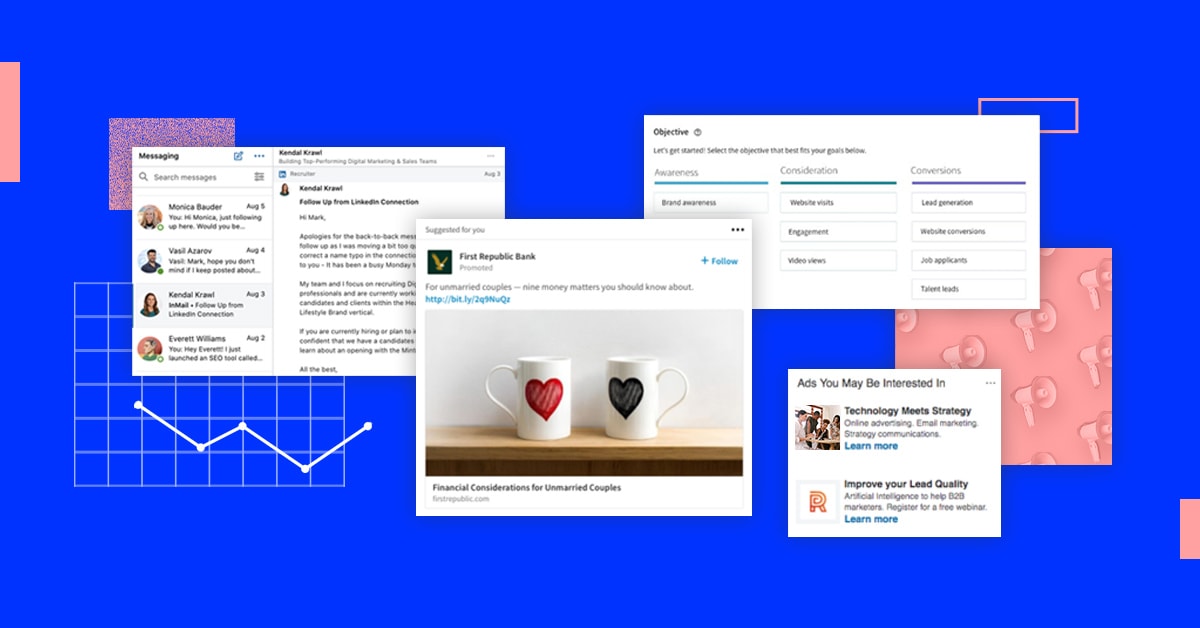
13. LinkedIn Ads (Sponsored Content & InMail)
What It Is
LinkedIn Ads allow you to target highly specific B2B audiences. The two main formats are Sponsored Content in the feed and Sponsored InMail delivered directly to inboxes.
Why It Works for B2B
No other platform offers this level of professional targeting. You can target by:
- Company name
- Company size
- Industry
- Job title
- Job function
- Skills and group membership
For example, you can promote a whitepaper exclusively to Heads of Sales at German SaaS companies with 200+ employees.
This precision makes LinkedIn essential for companies offering B2B lead generation services or targeting defined enterprise segments.
How to Implement It
Start with Sponsored Content: Promote gated assets such as reports or webinar registrations directly in the feed.
Use LinkedIn Lead Gen Forms: These forms pre-fill user data from LinkedIn profiles, reducing friction and increasing conversion rates.
Test Sponsored InMail Carefully: Use for exclusive invitations or high-value offers.
Retarget Website Visitors: Install the LinkedIn Insight Tag to retarget users who visited key pages but did not convert.
Measuring ROI
Track Cost Per Lead (CPL) and compare performance between LinkedIn Lead Gen Forms and landing pages. Monitor MQL rates to evaluate quality.
For some companies, LinkedIn Ads complement campaigns managed by a B2B lead-generation agency.
14. Google Ads (Search & Display)
What It Is
- Google Ads allow you to capture demand at the moment of intent.
- Search Ads appear at the top of search results.
- Display Ads appear across websites within the Google Display Network.
Why It Works for B2B
Search campaigns capture high-intent users actively looking for solutions. This is where Bottom-of-Funnel keywords drive measurable results.
For example, searches such as “B2B lead generation agency Germany” or “lead generation services company pricing” signal strong purchase intent.
How to Implement It
Focus on BOFU Keywords: Bid on high-intent terms rather than broad informational queries.
Use Negative Keywords: Exclude irrelevant searches such as “free,” “jobs,” or “template” if they do not match your offer.
Send Traffic to Dedicated Pages: Never direct paid traffic to a generic homepage. Align each ad with a specific landing page.
Use Display for Retargeting: Retarget visitors who engaged but did not convert.
Measuring ROI
Track Cost Per Click (CPC), Conversion Rate, and Cost Per Acquisition (CPA). Ensure Customer Lifetime Value exceeds CPA.
Google Ads are particularly effective when supported by strong landing pages and integrated sales-lead-generation software for tracking.
15. Strategic Partnership Marketing (Co-Marketing)
What It Is
This involves collaborating with a non-competing company that serves a similar audience to run joint campaigns.
Why It Works for B2B
Partnership marketing provides access to a pre-qualified audience built on trust. It is often more cost-efficient than traditional advertising.
For companies delivering lead generation services, partnerships expand reach without significant additional spend.
How to Implement It
Identify Complementary Partners: Look for businesses serving the same ICP without competing directly.
Co-Host Webinars: Both parties promote the event and share leads.
Co-Create Research or Whitepapers: Joint assets increase authority and distribution reach.
Exchange Newsletter Features: Promote each other’s content to aligned audiences.
Measuring ROI
Track total leads generated and evaluate quality. Measure how many partnership leads convert into opportunities.
16. Affiliate & Referral Programmes
What It Is
A referral programme rewards existing customers for recommending your services. An affiliate programme rewards external partners for introducing paying clients.
Why It Works for B2B
Peer recommendations carry significant weight in the German business environment. Trust accelerates decision-making.
Formalising referrals turns word of mouth into a structured B2B lead-generation channel.
How to Implement It
Launch a Simple Referral Offer: Provide a clear incentive and an easy referral process.
Identify Industry Connectors: Consultants, agencies, and advisors often influence buying decisions.
Use Reliable Tracking Systems: Affiliate and referral tracking must integrate with your CRM and reporting tools.
Equip Partners Properly: Provide messaging guides, email templates, and positioning materials.
Measuring ROI
Track partner-generated leads, closed deals, and CPA. Referral programmes are typically performance-based, making them highly ROI-efficient.
For companies scaling quickly, affiliate channels can complement broader B2B lead generation services and outbound efforts.
Part 5: Optimisation & Nurturing Strategies
You have leads. Now what? Most B2B leads are not ready to buy immediately. The final stage of effective B2B lead generation is nurturing prospects until they become sales-ready and optimising your website to convert more of them.
17. Lead Nurturing Email Sequences
What It Is
A lead nurturing sequence is an automated series of emails sent after someone downloads content or fills out a form. The goal is not immediate selling. It is to educate, build trust, and maintain visibility.
Why It Works for B2B
B2B sales cycles in Germany are often extended. A prospect may download a whitepaper months before budget approval.
A structured nurture sequence keeps your brand visible and positions you as a credible brand. When the buying window opens, your company is already familiar.
This approach strengthens the long-term impact of B2B lead generation services and outbound campaigns.
How to Implement It
Use an Automation Platform: Your CRM or marketing automation system should manage sequencing and tracking.
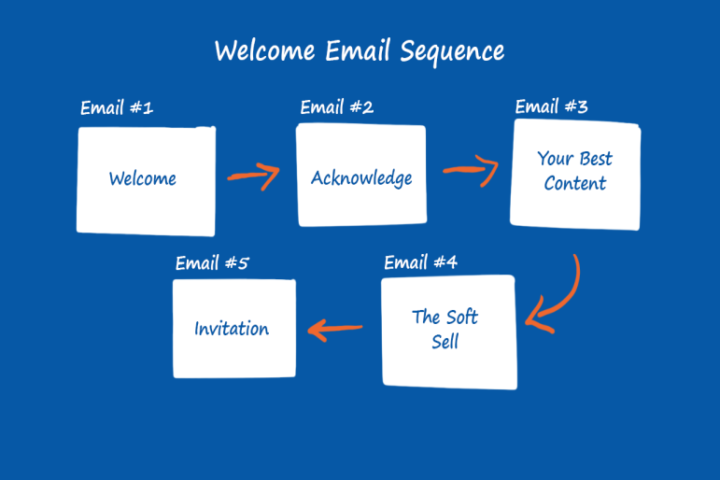
Create a 3–5 Email Drip Sequence
Email 1: Deliver the requested asset immediately.
Email 2: Provide additional educational value.
Email 3: Share a relevant case study or testimonial.
Email 4: Invite them to a webinar or consultation.
Email 5: Introduce a soft call to action for a short conversation.
Ensure Deliverability: Monitor domain reputation and authentication settings. If your emails land in spam, your entire nurturing effort fails.
Measuring ROI
Track Open Rate, Click-Through Rate (CTR), and Unsubscribe Rate. The most important metric is MQL-to-SQL conversion rate.
Companies using advanced sales lead generation software can also score leads based on engagement behaviour.
18. Conversion Rate Optimisation (CRO)
What It Is
Conversion Rate Optimisation is the systematic process of increasing the % of website visitors who complete a desired action.
It focuses on extracting more value from existing traffic.
Why It Works for B2B
Many companies invest heavily in traffic but neglect conversion.
Increasing your conversion rate from 1% to 2% effectively doubles lead volume without increasing ad spend.
For businesses investing in lead generation services, CRO improves return on every campaign.
How to Implement It
Analyse Heatmaps: Use behavioural tools to understand how users interact with key pages.
Identify Friction Points: Look for drop-offs on forms, pricing pages, or landing pages.
Develop a Hypothesis: For example, changing a CTA from “Learn More” to “Book a Strategy Call” may increase engagement.
Run A/B Tests: Test variations systematically. Split traffic evenly and let data determine performance.
Optimise Continuously: CRO is ongoing, not a one-time adjustment.
Measuring ROI
Measure increases in conversion rate directly. A 20% improvement in conversion means 20% more leads from the same traffic.
19. Interactive Tools & Quizzes
What It Is
An interactive lead magnet is a dynamic tool offered in exchange for contact information. Examples include ROI calculators, readiness assessments, and benchmarking tools.
Why It Works for B2B
Interactive tools feel personalised and valuable.
They also qualify leads more effectively. Responses can indicate budget, urgency, or operational complexity.
For companies providing B2B lead generation services, interactive tools improve segmentation and follow-up precision.
How to Implement It
Identify a Core Calculation: Turn a common sales conversation into a simple calculator or assessment.
Build a Structured Flow: Use conditional logic to tailor questions based on responses.
Gate the Final Results: Provide partial insight, then require an email to deliver the full report.
Measuring ROI
Track completion rate and CPL. Most importantly, assess the quality of captured data and its impact on sales conversations.
20. Implementing a B2B Chatbot
What It Is
A B2B chatbot is an automated chat system that engages website visitors and qualifies them in real time.
Why It Works for B2B
It enables immediate engagement on high-intent pages.
It can ask qualifying questions and segment prospects before sales involvement.
Modern bots can integrate with calendars to automatically book meetings.
For companies working with a lead generation services company or scaling outbound efforts, chatbots capture demand that might otherwise be lost.
How to Implement It
Deploy Strategically: Place chat functionality on pricing, demo, and comparison pages.
Create Structured Playbooks: Instead of a generic greeting, prompt relevant questions based on page context.
Include Human Escalation: Always offer an option to speak with a representative.
Measuring ROI
Track conversations started, leads captured, and meetings booked through the chatbot.
When integrated into a broader B2B lead generation framework, chatbots improve responsiveness and conversion efficiency.
Conclusion: Building Your B2B Lead Generation Engine in Germany
B2B lead generation is not about discovering one “perfect” tactic. It is about building a sustainable, integrated engine that consistently produces qualified opportunities.
Your website is the foundation of that engine. Your content strategies are the fuel that powers it. Your SEO and outreach efforts guide new prospects to you. And your optimisation and nurturing systems ensure that interest turns into revenue.
For German tech companies, success requires structure, precision, and consistency. Whether you build internally, invest in sales lead-generation software, or partner with a specialised B2B lead-generation agency, the goal remains the same: predictable pipeline growth.
Start small, but start strategically.
- First, strengthen your foundation: your website, landing pages, and forms.
- Second, combine one inbound and one outbound initiative.
- Third, measure, refine, and scale what works.
The work requires discipline, but the reward is a consistent, scalable flow of high-value B2B clients.
Frequently Asked Questions (FAQ)
- What is the main difference between B2B and B2C lead generation?
The primary differences are sales cycle length and decision complexity.
B2C transactions are often short and involve a single buyer.
B2B sales cycles can last months and typically involve multiple stakeholders, including technical, financial, and operational decision-makers.
This is why B2B lead generation must focus on trust, education, and long-term engagement.
- What are MQLs and SQLs, and why do they matter?
MQL (Marketing Qualified Lead): A lead who has engaged with content but is not yet ready to purchase.
SQL (Sales Qualified Lead): A lead who has shown clear buying intent, such as requesting a demo or consultation.
The objective of nurturing is to convert MQLs into SQLs efficiently.
- Should I focus on inbound or outbound first?
It depends on resources and urgency.
Inbound strategies such as SEO and content take 6–12 months to gain traction but create long-term, cost-efficient growth.
Outbound strategies such as cold outreach and paid campaigns deliver faster results but require ongoing investment.
Many companies combine both, sometimes supported by a lead generation services company, to balance short-term wins with long-term authority.
- How does website design impact B2B lead generation?
Your website functions as a 24/7 sales representative.
A poorly structured or slow site:
- Reduces trust
- Confuses visitors
- Lowers conversion rates
A clear, fast, and strategically structured website improves conversion rates and strengthens all lead-generation services and campaigns.
- How much should a B2B lead cost?
There is no universal answer. Cost Per Lead (CPL) varies by industry and channel.
For example, a content-driven MQL may cost significantly less than a high-intent paid search demo request.
The more important metric is Customer Acquisition Cost (CAC). As long as Lifetime Value is at least 3x CAC, your B2B lead generation services are sustainable.
- What is Account-Based Marketing (ABM) in simple terms?
Traditional marketing casts a wide net.
ABM targets specific companies first, then builds tailored campaigns to engage them directly.
It often combines SEO, paid campaigns, and outbound outreach in a coordinated effort.
- How quickly should I follow up on a new lead?
For high-intent leads, response time is critical. Respond within minutes whenever possible.
For lower-intent leads, use structured nurturing sequences to build readiness before sales outreach.
Automation and integrated sales lead generation software make this process efficient and consistent.
- What is a content upgrade?
A content upgrade is a targeted lead magnet related directly to a specific blog post.
For example:
Article: “Top 20 B2B Lead Generation Tips”
Upgrade: A downloadable checklist summarising all 20 tips.
This approach increases relevance and typically improves conversion rates.
- Why are some website leads low quality?
Low-quality leads usually result from broad targeting, weak qualification, or unclear positioning.
Refining the ICP definition, improving messaging, and working with a specialised B2B lead-generation agency can significantly improve lead quality.
- When should I consider professional B2B lead generation services?
If your internal team lacks time, specialised expertise, or scalable systems, partnering with experienced B2B lead-generation service providers can accelerate growth.
For German tech companies seeking structured pipeline development, a strategy session can clarify where optimisation or external support will deliver the highest ROI.
If you want expert support building a scalable B2B lead generation engine in Germany, schedule a strategy call with Konsyg to discuss how tailored B2B lead generation services can accelerate your growth.
Share This Post
Recent Posts
What We Offer
Get Your Quote