

New York has become one of the most competitive B2B lead-generation markets in the United States. With thousands of high-growth SaaS firms, financial services companies, consultancies, cybersecurity providers, and enterprise solution vendors headquartered across Manhattan, Brooklyn, and the greater New York region, demand for structured, scalable pipeline generation continues to rise.
Search interest data across the United States shows New York ranking among the top regions actively searching for b2b lead generation companies, reflecting strong commercial demand rather than casual research. Businesses are not simply asking what B2B lead generation is. They are actively evaluating providers.
This shift matters.
In previous years, many companies relied on in-house prospecting teams or referral networks. In 2026, the landscape has changed. Buying committees are larger. Sales cycles are longer. Competition for inbox attention is intense. Decision makers are more selective. As a result, businesses across New York are turning to specialised B2B lead-generation services that deliver qualified opportunities rather than unfiltered contact lists.
The difference between generic outreach and structured b2b sales lead generation now determines whether revenue targets are hit or missed.
New York’s market conditions amplify this challenge:
- Dense competition across nearly every B2B vertical
- Highly sophisticated buyers in finance, tech, media, and legal sectors
- Long enterprise procurement cycles
- High customer acquisition costs
- Stricter compliance expectations
These dynamics mean that effective B2B lead generation in New York requires precision targeting, a strong messaging strategy, and consistent multi-channel engagement.
It is no longer about sending thousands of cold emails.
It is about generating real conversations with decision makers who have buying authority.

What Is B2B Lead Generation and Why It Matters in New York
At its core, B2B lead generation is the process of identifying, attracting, engaging, and qualifying potential business customers who are likely to purchase a product or service. Unlike consumer marketing, where buying decisions can be impulsive or emotionally driven, B2B purchasing is structured, analytical, and often involves multiple stakeholders.
When companies search for what is b2b lead generation, they are usually trying to understand how structured prospecting systems translate into real sales conversations. In simple terms, it is the engine that fills the sales pipeline with qualified opportunities instead of random contacts.
But in New York, this definition becomes more complex.
New York is home to thousands of B2B organisations across sectors such as financial services, enterprise software, media technology, cybersecurity, logistics, and professional advisory services. Decision-makers in these industries are constantly targeted by competitors. Their inboxes are saturated. Their calendars are guarded. Their evaluation processes are strict.
This environment makes effective B2B lead generation not just important, but critical.
The Difference Between Leads and Qualified Opportunities
Many businesses misunderstand b2b sales lead generation. They assume it is about collecting as many contacts as possible. In reality, volume without qualification creates more problems than solutions.
True b2b sales lead generation focuses on identifying decision makers who match specific criteria, such as:
- Industry alignment
- Company size
- Revenue range
- Technology stack
- Buying authority
- Current business pain points
In competitive markets like New York, the margin for error is small. Sales teams cannot afford to chase unqualified prospects. Every conversation must move closer to revenue.
This is why professional B2B lead-generation companies invest heavily in research, targeting accuracy, and structured qualification frameworks. They are not simply sending emails. They are building systems designed to generate a predictable pipeline.

How the Process Works in 2026
Modern lead generation services b2b typically include several coordinated stages.
First is market research and ideal customer profiling. This defines the type of businesses most likely to convert.
Second is data sourcing and enrichment. Accurate data is foundational. Inaccurate contact information leads to wasted outreach and damaged sender reputation.
Third is multi-channel outreach. This can include email campaigns, LinkedIn engagement, strategic calling, and content-driven nurturing.
Fourth is qualification. Not every response becomes a sales meeting. Strong providers filter prospects based on budget, authority, need, and timeline.
Finally, qualified meetings are passed to internal sales teams for closing.
In 2026, many firms also integrate automation tools and analytics platforms to improve personalisation and scale outreach efficiently. However, automation alone does not create results. Strategic messaging and targeting still determine performance.
Why It Matters Specifically in New York
New York presents unique challenges that directly impact the B2B lead generation strategy.
First, competition density is high. For almost every B2B service, there are dozens of alternative providers within the same city.
Second, buyer sophistication is elevated. Decision-makers in the finance, enterprise technology, and consulting industries are experienced evaluators. They expect relevance, credibility, and clarity.
Third, deal sizes are often larger. Higher contract values mean longer evaluation cycles and more stakeholders involved in final approval.
Because of these factors, companies searching for b2b lead generation companies in New York are not looking for generic outreach support. They are looking for partners capable of building structured systems that align with complex sales environments.
In this market, poor targeting results in immediate disengagement. Generic messaging damages brand perception. Low-quality appointment setting wastes internal sales resources.
Effective B2B lead generation in New York requires:
- Deep understanding of industry verticals
- Clear differentiation in messaging
- Accurate targeting
- Consistent follow-up strategy
- Tight coordination between marketing and sales
Organisations that execute these elements successfully see measurable impact in pipeline growth and revenue stability.
The Shift From Internal Prospecting to Specialised Providers
Over the past few years, many New York companies have shifted from relying solely on internal sales development teams to partnering with specialised b2b lead generation services.
There are several reasons for this shift.
Hiring and training internal SDR teams requires significant time and budget. Ramp-up periods can delay results. Additionally, internal teams often struggle to maintain consistent outreach volume while balancing personalisation.
Specialized b2b lead generation companies bring structured systems, tested outreach frameworks, and experienced prospecting teams that can operate at scale. For high-growth businesses, this often reduces the time required to build a predictable pipeline.
This shift explains why search demand for b2b sales lead generation and related commercial terms continues to grow across regions, including New York.
The Role of Technology Without Losing Strategy
In 2026, technology plays a central role in modern B2B lead generation. Data platforms, outreach automation tools, and analytics dashboards provide visibility and scalability.
However, technology is only as strong as the strategy behind it.
Many businesses are now cautious about relying entirely on automation. Poorly executed automated outreach can damage brand credibility, especially in a market as interconnected as New York.
The most effective providers combine structured systems with strategic human oversight. They use technology to enhance research and efficiency while ensuring messaging remains relevant and contextual.
This balanced approach is what separates average providers from top-tier B2B lead-generation companies.
Why Businesses Are Hiring B2B Lead Generation Companies in 2026
The demand for B2B lead-generation companies has accelerated in recent years, especially in competitive business hubs like New York. Companies are no longer experimenting with random outbound campaigns or relying solely on inbound marketing. They are seeking structured systems that generate a consistent pipeline and measurable revenue impact.
In 2026, growth expectations are higher. Investors demand predictable forecasting. Sales leaders need visibility into the future pipeline. Marketing teams are expected to drive revenue, not just brand awareness. In this environment, B2B lead generation becomes a strategic function rather than a support activity.
- Internal Teams Are Under Pressure
Many New York-based companies initially attempt to build internal prospecting teams. While this approach offers control, it also comes with challenges.
Recruiting experienced sales development representatives is competitive and expensive. Training cycles can take months before consistent output begins. Messaging frameworks often require ongoing refinement. Meanwhile, sales quotas do not pause.
Internal teams also struggle with scale. Maintaining daily outreach volume while personalising messaging for different industries and roles is difficult. Without structured systems and quality data, productivity drops quickly.
This pressure explains why businesses increasingly seek b2b lead generation services rather than trying to solve the challenge internally.
- Revenue Predictability Is Now a Priority
Pipeline inconsistency is one of the biggest risks facing B2B organisations. A few strong months followed by weak quarters can destabilise revenue projections and hiring plans.
Professional B2B sales lead-generation partners build predictable outreach systems. They establish targeting frameworks, define qualification standards, and maintain consistent prospect engagement. This reduces reliance on referrals and organic traffic alone.
For companies operating in New York’s competitive landscape, a predictable pipeline is not optional. It is foundational for scaling.
- Buyers Have Changed
Modern B2B buyers conduct independent research before engaging with vendors. They compare multiple providers. They expect personalised outreach. Generic messaging is ignored.
As a result, effective B2B lead generation in 2026 requires:
- Clear value propositions
- Industry-specific messaging
- Strategic follow-up sequences
- Accurate targeting based on firmographic and behavioural data
This level of sophistication is difficult to maintain without specialised expertise. Established b2b lead generation companies have refined outreach methodologies that adapt to evolving buyer behaviour.

The Cost of Poor Quality Leads
Low-quality leads create hidden costs. Sales teams spend hours on unqualified calls. Conversion rates drop. Morale declines. Forecast accuracy suffers.
In New York, where average deal values can be significant, wasting executive time on poor prospects is expensive. Companies are realising that quality matters more than volume.
Strong B2B lead-generation services providers focus on qualification before handoff. They define criteria for ideal prospects and filter responses accordingly. This alignment improves closing efficiency and increases revenue impact.
Competitive Density in New York
New York’s business environment intensifies the need for structured B2B lead generation.
Companies across Manhattan and the surrounding boroughs compete for the same enterprise accounts. Financial services firms target similar decision makers. Technology startups pitch overlapping buyer personas. Consulting firms approach the same procurement departments.
This density increases outreach noise. Without strategic differentiation, campaigns blend into the background.
Experienced B2B lead-generation companies understand how to craft positioning that cuts through competitive clutter. They tailor messaging to local industry contexts and build prospect-engagement sequences for high-saturation markets.
Outsourcing as a Growth Strategy
For many organisations, partnering with external B2B sales lead-generation providers is not just a tactical move. It is a strategic growth decision.
Outsourcing allows companies to:
- Accelerate time to pipeline
- Reduce hiring and training costs
- Access experienced prospecting teams
- Scale outreach capacity without expanding headcount
- Focus internal sales teams on closing rather than cold prospecting
In a high-cost city like New York, operational efficiency directly impacts margins. Companies increasingly see specialised B2B lead generation services as a cost-effective way to expand theirpipeline without building large in-house SDR teams.
Integration With Sales Teams
Another reason businesses hire b2b lead generation companies is alignment. Top providers do not operate in isolation. They integrate with CRM systems, align with sales messaging, and establish feedback loops to refine targeting.
This integration ensures that B2B lead generation does not function as a disconnected marketing activity. Instead, it becomes an extension of the revenue team.
For companies aiming to scale in 2026, this alignment between prospecting and closing functions determines long term success.
Top 10 B2B Lead Generation Companies in New York for 2026
The following firms represent the most structured and performance-focused B2B lead-generation companies operating in New York in 2026. Each company listed here delivers measurable pipeline impact and supports complex B2B sales environments.
Konsyg stands out among B2B lead generation companies in New York for its structured, process-driven approach to revenue growth. Rather than focusing on volume-based outreach, Konsyg builds repeatable systems designed to generate qualified pipeline opportunities aligned with a client’s internal sales objectives.
At its core, Konsyg treats B2B lead generation as a revenue function, not a marketing experiment.
The Konsyg Process
Konsyg operates through a clearly defined multi-phase system that moves from targeting precision to scalable pipeline growth.
Phase 1: Market and ICP Definition
Every engagement begins with detailed market mapping. This includes:
- Industry segmentation
- Ideal customer profile development
- Buyer persona clarification
- Revenue qualification thresholds
Instead of broad outreach, Konsyg narrows its focus to high-probability accounts in New York and nationwide markets.
This precision targeting is critical in dense commercial environments like Manhattan, where decision makers receive high volumes of outreach daily.
Phase 2: Messaging and Positioning Architecture
Konsyg builds messaging frameworks tailored to:
- Industry vertical
- Role-based pain points
- Business maturity stage
- Competitive landscape
This ensures that outreach is relevant and contextual rather than generic.
In modern b2b sales lead generation, personalisation drives response quality. Konsyg integrates structured messaging rather than templated spam outreach.
Phase 3: Multi-Channel Outreach Execution
Konsyg combines email engagement, professional networking platforms, and strategic calling to create consistent touchpoint sequences.
The goal is not one single message. It is a structured engagement.
This approach strengthens brand credibility while increasing qualified meeting rates across industries such as SaaS, fintech, cybersecurity, logistics, and enterprise services.
Phase 4: Lead Qualification and Sales Alignment
Not every response becomes a meeting. Konsyg applies qualification filters before handing opportunities to sales teams.
This reduces wasted sales time and improves conversion efficiency.
For New York companies where sales resources are expensive and executive time is limited, this alignment between prospecting and closing teams significantly improves revenue performance.
Why Konsyg Ranks at the Top in 2026
Konsyg differentiates itself among B2B lead generation servicesby combining structure, transparency, and scalability.
Key differentiators include:
- Dedicated campaign strategists
- Clear reporting dashboards
- Defined performance milestones
- Alignment with client CRM systems
- Focus on a qualified pipeline rather than vanity metrics
In a market where many B2B lead-generation companies emphasise automation tools or contact databases, Konsyg emphasises structured execution and measurable outcomes.
For organisations in New York seeking reliable and scalable B2B lead generation, Konsyg offers a performance-driven model designed for complex sales cycles.

Salesforce is one of the most recognised enterprise technology companies, powering modern B2B lead generation. Headquartered in the United States with a strong presence in New York, Salesforce enables organisations to manage customer relationships, automate outreach workflows, and track pipeline performance at scale.
While Salesforce is not a traditional outbound agency, it plays a foundational role in b2b sales lead generation strategies for enterprise companies. Through its CRM ecosystem, marketing automation tools, and analytics capabilities, organisations structure and optimise their lead generation funnels.
For large enterprises in New York, Salesforce often serves as the unified infrastructure.

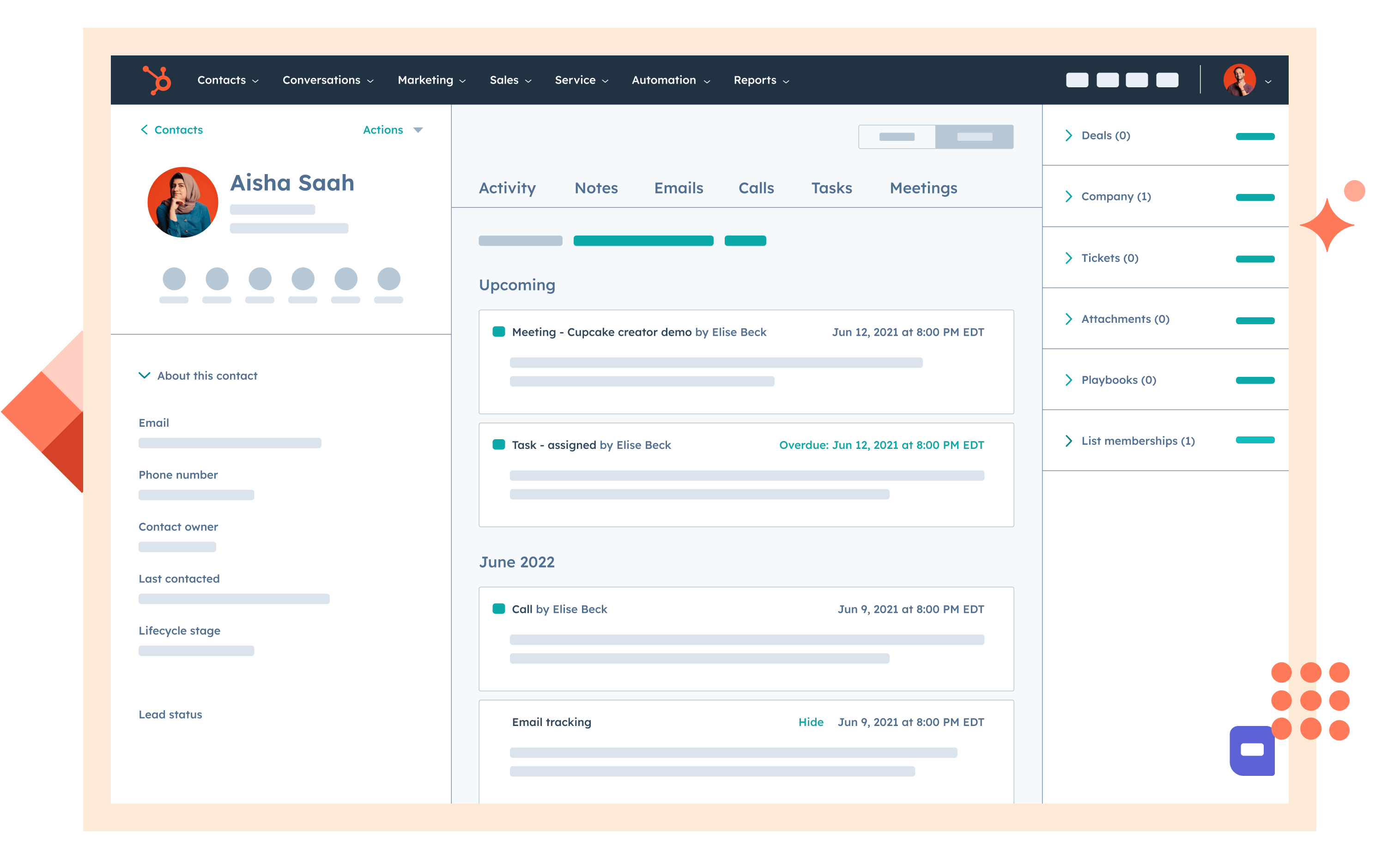
HubSpot is a global marketing and sales platform that supports both inbound and outbound B2B lead generation. With a significant customer base in New York’s startup and mid-market ecosystem, HubSpot provides CRM tools, email automation, lead tracking, and reporting dashboards.
In the context of B2B lead-generation companies, HubSpot operates more as a technology enabler than a direct service provider. However, many New York-based businesses rely on HubSpot’s marketing automation capabilities to generate and nurture prospects.
HubSpot’s strength lies in combining content marketing, email workflows, and sales pipeline visibility, making it a central component of modern B2B sales lead-generation systems.
IBM Consulting, with offices in New York, delivers enterprise transformation services that often include digital marketing strategy and customer acquisition optimisation. For large corporations, IBM supports structured B2B lead generation through data analytics, AI integration, and enterprise technology implementation.
IBM’s scale and global footprint position it differently from boutique B2B lead-generation companies, but its consulting services frequently support complex demand-generation programs for multinational clients.
For enterprises operating in regulated industries such as finance and healthcare in New York, IBM often plays a strategic advisory role in structuring scalable customer acquisition frameworks.

Accenture is a global consulting firm with a strong New York presence that supports digital transformation and revenue growth initiatives. Within its marketing and growth practice, Accenture assists organisations in designing customer-acquisition strategies that include B2B sales lead-generation components.
While not a traditional appointment-setting firm, Accenture works with enterprise clients to build structured systems around data-driven targeting, CRM integration, and marketing technology stacks.
For corporations in New York seeking enterprise-level b2b lead generation services, Accenture is often considered when large-scale transformation and infrastructure alignment are required.

Oracle provides enterprise cloud solutions that support data-driven B2B lead generation across global markets, including New York. Through its customer experience platform, Oracle enables companies to manage prospect data, automate campaign workflows, and align marketing with sales execution.
Large organisations use Oracle’s ecosystem to structure and scale b2b sales lead generation initiatives across multiple regions and business units. Its strength lies in data management, segmentation accuracy, and performance tracking.
For enterprise companies in finance, telecommunications, and professional services operating in New York, Oracle often serves as the backbone of their B2B lead-generation strategy.
ZoomInfo is widely recognised as a leading B2B data and intelligence platform supporting modern B2B lead generation. With a strong presence among sales teams across New York, ZoomInfo provides contact data, intent signals, and company insights that fuel outbound prospecting.
Within the ecosystem of b2b lead generation companies, ZoomInfo is considered a core data provider rather than an outreach agency. However, its database and intent-tracking capabilities play a significant role in helping businesses identify high-probability prospects.
For organisations prioritising precision targeting and data enrichment in their B2B sales lead generation efforts, ZoomInfo remains a dominant tool in 2026.
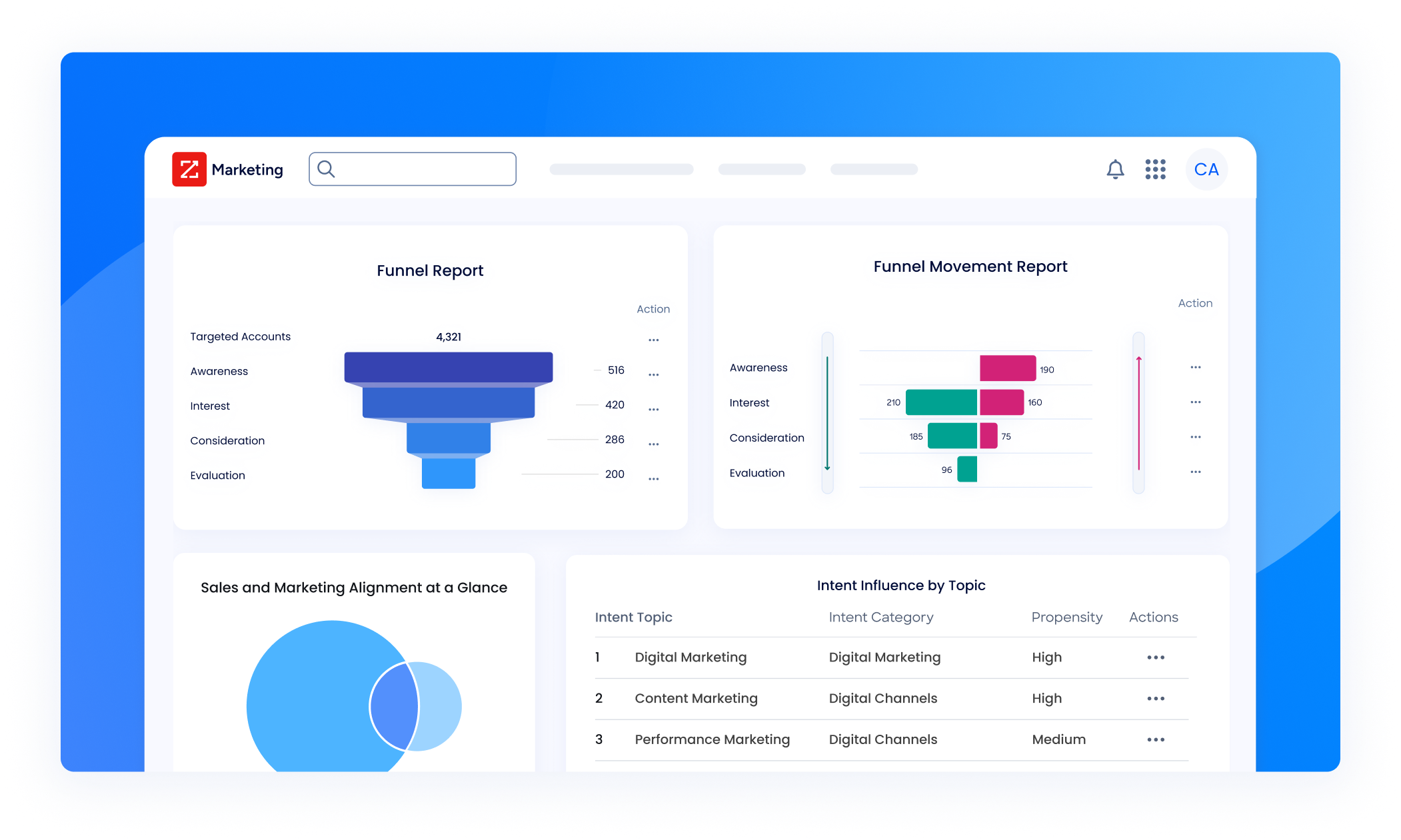
Demandbase focuses on account-based marketing and enterprise B2B lead generation technology. Serving large B2B organisations in New York and beyond, Demandbase enables companies to identify target accounts, track engagement signals, and personalise outreach at scale.
Its platform integrates firmographic data, buying intent insights, and campaign orchestration tools to support complex buying cycles. In highly competitive markets such as New York, where enterprise deals often involve multiple stakeholders, Demandbase helps companies align outreach with account-level engagement.
For businesses investing in advanced lead generation services b2b supported by data intelligence, Demandbase remains a recognised player.
Gartner Digital Markets operates platforms that connect B2B buyers with software providers, indirectly supporting B2B lead generation for technology companies. With strong influence among enterprise buyers, Gartner’s ecosystem drives high-intent traffic for vendors targeting decision-makers in markets like New York.
While not a direct outbound provider, Gartner plays a strategic role in digital visibility and buyer discovery. Companies seeking to enhance b2b sales lead generation often leverage review platforms and listing visibility to build inbound credibility.
For technology vendors operating in competitive New York sectors, presence within Gartner’s platforms can influence qualified lead flow.

Cognism is a B2B sales intelligence platform that supports compliant data sourcing and prospect identification. Serving global clients, including organisations operating in New York, Cognism focuses on delivering accurate contact information and intent data for outbound campaigns.
Within the broader B2B lead-generation category, Cognism operates as a data enabler. Its emphasis on compliance and data quality is particularly relevant in regulated industries common in New York, such as finance and legal services.
Companies focused on building scalable, compliant B2B sales lead-generation systems often integrate platforms like Cognism into their outreach workflows.

Frequently Asked Questions About B2B Lead Generation in New York
What Is B2B Lead Generation?
B2B lead generation is the process of identifying and engaging businesses that are likely to purchase your products or services. It involves research, targeting, outreach, qualification, and handing qualified prospects to sales teams.
Unlike consumer marketing, B2B sales lead generation requires engaging decision-makers, including founders, directors, procurement teams, and executives. In competitive regions like New York, structured targeting and personalisation are essential because buyers are exposed to constant outreach.
Why Are Companies Searching for B2B Lead Generation Companies in New York?
New York is one of the most competitive B2B markets in the United States. Companies across finance, SaaS, consulting, media, and cybersecurity compete for the same decision makers.
As a result, many organisations search for b2b lead generation companies to:
- Build a predictable pipeline
- Increase qualified meeting volume
- Reduce internal prospecting pressure
- Improve conversion efficiency
Businesses in New York often require more precise targeting due to higher acquisition costs and sophisticated buyers.
How Do Lead Generation Services B2B Work?
Professional lead generation services b2b typically follow a structured model:
They define your ideal customer profile, identify high probability accounts, execute multi-channel outreach, and qualify interested prospects before passing them to your sales team.
In 2026, most providers combine email engagement, strategic calling, professional networking outreach, and data enrichment tools to improve targeting accuracy.
The goal is not just contact generation. It is pipeline development.
What Is the Difference Between B2B Sales Lead Generation and Marketing Leads?
B2B sales lead generation focuses on establishing direct conversations with qualified decision makers based on budget, authority, need, and timing.
Marketing leads may include webinar signups or content downloads. Sales leads are filtered and evaluated before being handed to revenue teams.
For New York-based companies operating in enterprise environments, the distinction is critical. Sales teams require qualified opportunities, not raw contact lists.
Is AI B2B Lead Generation Replacing Human Prospecting?
AI b2b lead generation tools are increasingly used for data enrichment, intent tracking, and outreach automation. However, AI alone does not replace strategic messaging or qualification.
In saturated markets such as New York, purely automated campaigns often fail because buyers expect relevance and credibility.
The most effective modern systems combine AI-supported research with human oversight, structured messaging, and qualification processes.
How Much Do B2B Lead Generation Companies Charge in New York?
Pricing for B2B lead-generation companies varies depending on scope, industry complexity, and outreach volume.
Some firms operate on monthly retainers. Others charge based on meetings booked or dedicated SDR resources.
In New York, pricing is often higher due to competitive talent markets and higher operational costs. However, companies prioritise return on investment rather than cost alone. Qualified pipeline generation typically justifies the investment when conversion rates are strong.
How Do You Choose the Right B2B Lead Generation Company?
When evaluating b2b lead generation companies, businesses should assess:
- Industry experience
- Targeting precision
- Qualification standards
- Reporting transparency
- Alignment with internal sales processes
In competitive regions like New York, choosing a partner that understands enterprise buying cycles and complex sales environments is essential.
Final Thoughts on Choosing the Right B2B Lead Generation Partner in New York
New York remains one of the most competitive environments in the United States for growth-focused companies. Whether you operate in SaaS, financial services, consulting, cybersecurity, logistics, or enterprise technology, the ability to generate a consistent, qualified pipeline determines long-term revenue stability.
The search demand for b2b lead generation companies continues to rise because organisations recognise that modern selling requires structured systems. Random outreach and inconsistent prospecting no longer work in saturated markets. Decision makers expect relevance, clarity, and value from the first interaction.
Effective B2B lead generation in 2026 is built on precision targeting, disciplined execution, accurate data, strong messaging, and tight alignment between prospecting and closing teams. Companies investing in professional B2B lead generation services are not simply outsourcing anactivity. They are investing in predictable growth.
New York buyers are sophisticated. Sales cycles are complex. Competition is intense. Choosing the right partner can mean the difference between sporadic meetings and a scalable revenue engine.
If your organisation is ready to build a structured, measurable, and performance-driven B2B sales lead-generation system tailored for the New York market, schedule a strategy call with Konsyg today and start building a predictable pipeline.
Book a meeting with Konsyg today!
Share This Post
Recent Posts
What We Offer
Get Your Quote