

LinkedIn Lead Generation: 5 Smart Ways to Get More B2B Leads in the U.S.
For U.S. businesses, LinkedIn offers something few platforms can match
LinkedIn has become a cornerstone for professionals across industries, not just to connect but to thrive in their fields. With more than 700 million users worldwide, including a significant share based in the United States, it remains the leading platform for B2B marketing and lead generation.
For U.S. businesses, LinkedIn offers something few platforms can match: access to verified decision-makers, precise targeting options, and a professional environment built for meaningful business conversations.
In this guide, we will explore five proven LinkedIn lead generation strategies designed to help American B2B companies connect with the right prospects, strengthen relationships, and convert engagement into measurable growth.
Optimise Your LinkedIn Profile for Maximum Engagement
Your LinkedIn profile is the digital equivalent of showing up prepared for a high-stakes client meeting every single day. It is often the first impression a potential lead or partner will have of your business, so it needs to look professional, communicate credibility, and clearly state the value you provide.
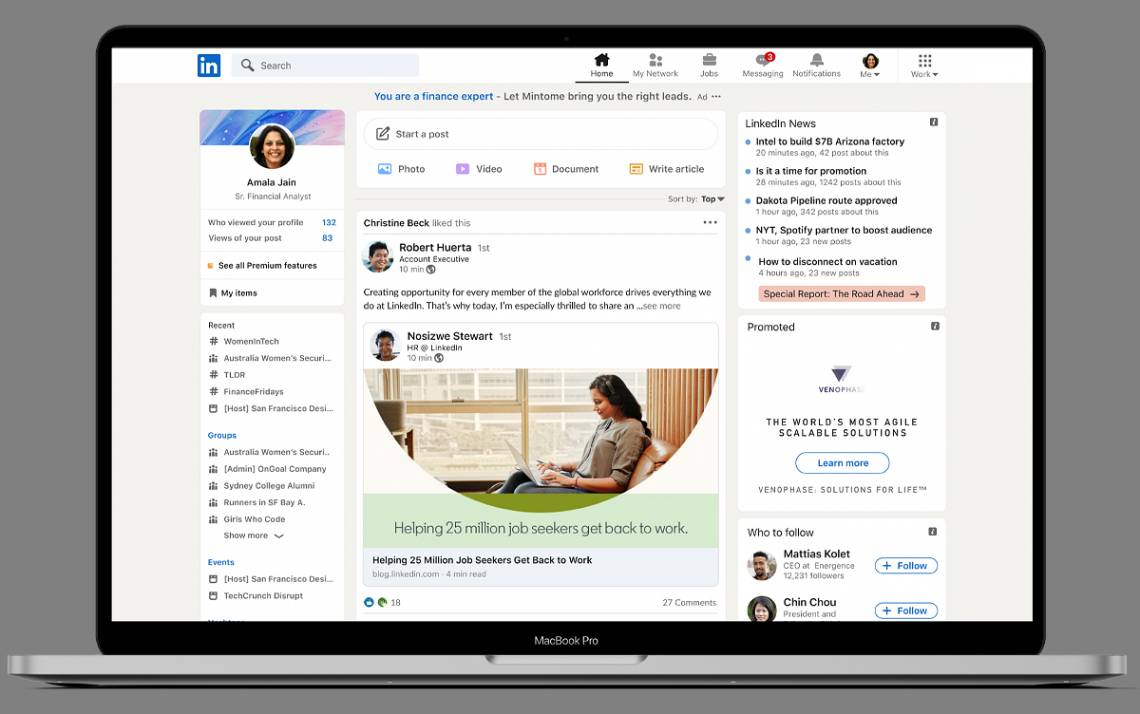
An optimised profile does more than attract attention. It helps you convert visitors into leads by positioning you as a trusted authority in your industry. Here is how to turn your profile into a consistent source of engagement and inbound interest:
Profile Optimisation Tips
Think of your LinkedIn profile as your professional storefront. It is often the first point of contact for potential clients and partners, setting the tone for your online presence. A well-optimised profile does more than look good. It builds trust, drives engagement, and attracts high-quality leads. Follow these steps to make your profile stand out in the U.S. market and position yourself as an authority in your field.
Craft a Clear, Value-Driven Headline:
Your headline should communicate more than your job title. It needs to reflect your expertise, niche, and the value you deliver. Use a combination of your role, industry, and measurable impact.
For example, instead of “Sales Manager at ABC Company,” try “Helping U.S. B2B Companies Accelerate Revenue Growth Through Data-Driven Lead Generation.”
This approach highlights both your role and the outcomes you create, appealing directly to decision-makers searching for those capabilities.
Use Strategic Keywords:
To appear in the right LinkedIn lead generation searches, you need to include terms that your ideal U.S. audience actually uses. Use LinkedIn’s keyword suggestions or SEO tools to find relevant terms and incorporate them naturally into your headline, About section, and experience.
For instance, a professional in sales or marketing might use keywords such as B2B lead generation, LinkedIn outreach, sales automation, pipeline management, and account-based marketing.
Choose a Professional Photo and Cover Image:
Your profile photo should reflect professionalism and approachability. Aim for a clear, recent image that aligns with your industry. The cover image is a valuable branding opportunity. Use it to reinforce your professional identity, highlight your company, or feature an image connected to your work, such as a keynote, event, or client milestone.
Write an Engaging Summary Section:
Your summary is your story. Use it to express your mission, showcase your expertise, and demonstrate your results. Keep it in the first person to make it conversational and relatable.
For example: “With over a decade of experience in B2B sales, I help technology and service-based companies expand across the U.S. market through precise LinkedIn lead generation strategies. My focus is on building scalable, data-backed systems that convert outreach into long-term client relationships.”
Highlight Measurable Achievements:
Your experience section should go beyond listing responsibilities. Focus on tangible results that demonstrate your impact.
For example: “Led a cross-functional sales team that generated 300 qualified leads in under six months, resulting in a 45% increase in quarterly revenue.”
Showcase Skills and Endorsements:
List skills that align with your target audience, such as B2B sales, client acquisition, and LinkedIn lead generation. Then, encourage colleagues or clients to endorse those skills. The more endorsements you earn, the higher your profile’s credibility and visibility.
Collect Meaningful Recommendations:
Recommendations act as social proof. Request them from clients, managers, or team members who can speak specifically about your results or collaboration style. Detailed, authentic testimonials strengthen your professional credibility and encourage engagement.
Customise Your LinkedIn URL:
A custom LinkedIn URL adds professionalism and makes your profile easier to share in meetings, emails, and presentations. Choose one that includes your name and, if relevant, your area of expertise, such as “/john-doe-b2b-sales.”
By personalising your LinkedIn profile and enriching it with relevant U.S.-focused keywords and measurable results, you create a presence that drives engagement, builds credibility, and generates qualified leads.

Content Strategy Essentials
An effective LinkedIn content strategy goes beyond sharing updates. It builds credibility, nurtures trust, and positions you as an authority in your industry. For U.S. B2B professionals, this is one of the most powerful ways to attract qualified leads and convert visibility into business growth.
Here is how to refine your content approach to maximise engagement and lead generation on LinkedIn.
A varied content mix keeps your LinkedIn feed dynamic and engaging while appealing to different audience preferences. Diversifying your formats helps you reach a broader audience and maintain consistent visibility across your network.
Articles and Blog Posts:
Publishing LinkedIn articles allows you to explore industry topics in greater depth and establish yourself as a thought leader. Share insights that resonate with your U.S. audience, such as market trends, success stories, or emerging business models.
For example, if your expertise lies in B2B sales, an article titled “What Is B2B Sales? Definition, Strategy, and Examples” can attract readers who are actively seeking new growth strategies.
Videos:
Video content is one of the most effective formats on LinkedIn. It delivers information quickly, feels authentic, and performs well in the algorithm. Create short, engaging videos that simplify complex ideas or offer practical insights.
For instance, a quick clip explaining how to use LinkedIn for lead generation or a short testimonial from a satisfied client can significantly increase engagement and trust among U.S. decision-makers.
Infographics and Visual Content:
Visual storytelling can turn data and insights into content that is easy to understand and share. Use infographics to present metrics such as lead generation performance, conversion rates, or industry benchmarks. Tools like Canva and Adobe Express make it simple to design visuals that reinforce your credibility and boost visibility.
Interactive Content:
Engagement-focused formats like polls, surveys, and Q&A posts encourage participation and make your page more approachable. They not only boost post interactions but also provide valuable insights into your audience’s interests. These insights can inform your future content strategy and help refine your B2B marketing focus.
Post Regularly
The foundation of a successful LinkedIn content strategy is consistency. Posting regularly helps your audience recognise your voice, trust your insights, and engage with your updates more frequently. A steady presence also signals professionalism and reliability, two traits that attract high-quality B2B leads in the U.S. market.
Here is a structured approach to maintaining a consistent posting schedule that supports LinkedIn lead generation and long-term engagement.
Content Calendar:
Plan your content using a simple calendar. This ensures you stay visible throughout the week and prevents last-minute stress when planning posts. Include a mix of articles, videos, and visual posts to keep your feed varied and interesting.
Best Times to Post:
Research from LinkedIn shows that the most effective posting times for engagement are Tuesday through Thursday, typically in the morning, around lunchtime, or early evening. Experiment with different schedules and track analytics to find when your specific U.S. audience is most active.
Respond to Comments:
Posting content is only one part of the equation. Engagement happens through interaction. Monitor comments on your posts and respond thoughtfully. A quick reply or thank-you can transform a casual comment into a meaningful professional connection and, potentially, a qualified sales lead.
Repurpose Content:
Maximise the value of your content by repurposing it into multiple formats. Turn a webinar, podcast, or case study into shorter posts, infographics, or snippets for your feed. This approach extends your reach while keeping your message consistent.
Content Themes:
Create simple themes to organise your content and help your audience anticipate your posts. Examples include “Sales Strategy Monday,” “Insight Wednesday,” or “Growth Tip Friday.” Thematic consistency provides structure to your page and encourages repeat engagement.
By maintaining a consistent posting rhythm and staying active in conversations, you strengthen your visibility and credibility. Over time, these habits not only improve your LinkedIn engagement rate but also help convert followers into meaningful business relationships and high-value leads.
Harness LinkedIn’s Native Lead Generation Tools
LinkedIn provides a suite of built-in tools designed to make lead generation more efficient, targeted, and measurable. For U.S. B2B companies, these tools can play a pivotal role in capturing qualified leads, nurturing prospects, and aligning marketing efforts with sales outcomes.
Below are the core LinkedIn lead generation tools every business professional should know and use to strengthen their sales funnel.
LinkedIn Sales Navigator
LinkedIn Sales Navigator is one of the most powerful premium tools available for professionals focused on B2B lead generation. Designed to help sales teams identify, connect with, and nurture high-value prospects, it provides deeper insights, advanced targeting, and greater visibility into potential clients. For U.S. businesses, it is an essential asset for scaling outreach and accelerating conversions.
Here is how to maximise the potential of LinkedIn Sales Navigator for your lead generation strategy.
Advanced Search Capabilities:
Use Sales Navigator’s advanced search filters to identify the most relevant prospects by criteria such as location, industry, company size, seniority, and job title. You can even refine results based on recent job changes or company updates. This level of precision targeting helps U.S. sales teams focus their time on decision-makers who are most likely to engage.
Lead Recommendations:
Sales Navigator analyses your saved leads and past outreach activity to suggest new qualified prospects similar to your ideal customer profile. This feature helps keep your sales pipeline active and ensures you are consistently engaging new opportunities without relying on manual searches.
InMail Messages:
Unlike standard LinkedIn messaging, InMail allows you to contact professionals outside your immediate network directly. This is particularly valuable when trying to reach senior executives or potential clients in the U.S. who may not yet be connected to you. A personalised and concise InMail can open doors to conversations that lead to new business relationships.
CRM Integration:
Integrating Sales Navigator with your existing CRM platform, such as Salesforce or HubSpot, ensures seamless synchronisation of leads, notes, and activity. This integration gives your entire team real-time visibility into every stage of engagement, improving coordination and follow-ups.
Real-Time Lead Alerts:
Stay informed with instant notifications about essential lead activities, such as job changes, company updates, or media mentions. These alerts create timely opportunities to reach out with relevant insights or offers, increasing the likelihood of conversion.
LinkedIn Lead Gen Forms
LinkedIn Lead Gen Forms are one of the most effective tools for capturing high-quality leads directly through LinkedIn ads. These forms automatically populate with a user’s LinkedIn profile data, minimising effort for the prospect and significantly improving conversion rates. For U.S. B2B marketers, this feature streamlines lead collection while maintaining accuracy and professionalism.
Here is how to make the most of LinkedIn Lead Gen Forms to maximise results.
Seamless Integration with Ads:
Attach Lead Gen Forms to your Sponsored Content or Message Ads campaigns. When users click on an ad, they are presented with a pre-filled form containing their profile information. This simple experience makes it far easier for potential leads to share their details, increasing your form completion rates and qualified lead generation.
Customizable Form Fields:
Tailor your forms to capture information that aligns with your sales process. You can include fields such as job title, company name, email address, and industry. Keep forms short and relevant to maintain completion rates while still gathering the data your sales team needs to qualify leads effectively.
Mobile-Optimised Experience:
With a large percentage of U.S. professionals accessing LinkedIn through mobile devices, Lead Gen Forms are fully optimised for mobile users. This ensures smooth submission on smaller screens, helping you reach busy decision-makers wherever they are.
Analytics and Reporting:
LinkedIn’s built-in analytics provide detailed insights into your Lead Gen Form performance. Track how many leads you capture, measure your cost per lead (CPL), and monitor ad engagement rates. These insights allow you to refine targeting, adjust ad creative, and improve your overall ROI on LinkedIn advertising.
Follow-Up Features:
After a user submits a form, LinkedIn allows you to direct them to a custom thank-you page. Use this opportunity to link to your website, a landing page, or a downloadable resource such as a white paper or case study. This keeps your audience engaged beyond the initial interaction and strengthens post-lead nurturing.
By leveraging LinkedIn’s native tools like Sales Navigator and Lead Gen Forms, U.S. companies can create a lead generation process that is precise, efficient, and scalable. These tools empower sales and marketing teams to focus on what matters most, turning engagement into qualified opportunities that drive measurable business growth.

Execute Strategic LinkedIn Advertising Campaigns
Running LinkedIn advertising campaigns is one of the most effective ways to expand your reach and connect with decision-makers who align with your business goals. By leveraging LinkedIn’s advertising tools, you can design targeted campaigns that reach the right audience, deliver measurable results, and accelerate B2B lead generation across the U.S. market.
Here is how to plan and execute strategic campaigns that maximise both visibility and return on investment:
Sponsored Content Best Practices
Sponsored Content on LinkedIn helps you extend your message beyond your existing network, reaching a wider audience of professionals and decision-makers who are most likely to benefit from your expertise, services, or solutions. When executed strategically, Sponsored Content can drive meaningful engagement and generate qualified B2B leads across the U.S. market.
Here is how to get the best results from your LinkedIn Sponsored Content campaigns.
Define Your Objective:
Start with a clear goal for every campaign. Are you looking to increase brand awareness, generate leads, or drive website traffic? Defining your objective upfront helps you shape your ad copy, creative, and targeting approach. LinkedIn’s Campaign Manager allows you to align your Sponsored Content objective with measurable outcomes for better ROI tracking.
Target Audience Selection:
Leverage LinkedIn’s advanced audience targeting tools to reach the right professionals. Filter your audience by job title, industry, company size, seniority, location, and interests. For U.S. B2B campaigns, you can narrow targeting even further by region, ensuring your content appears only to decision-makers most relevant to your goals.
Prioritise Content Quality:
The success of Sponsored Content depends heavily on the value and relevance of your message. Use high-quality visuals, clear headlines, and insightful copy that directly address your audience’s needs. Posts that educate, inform, or offer practical takeaways consistently outperform purely promotional ads. For example, a short video explaining a B2B sales strategy or a carousel post showcasing key industry data can help your ad stand out in the feed.
Maintain Consistent Branding:
Every sponsored post should reflect your brand identity. Use consistent colours, typography, logos, and tone of voice across all creative assets. Consistent branding not only strengthens recognition but also builds trust among your U.S. audience. Make sure your brand visuals and messages align with your company page for a cohesive presence.
Optimize and A/B Test:
Run A/B tests to identify what resonates most with your audience. Experiment with different headlines, images, videos, and calls-to-action (CTAs). Use LinkedIn’s analytics to evaluate performance data and refine your strategy based on results. Continuous testing ensures your Sponsored Content campaigns evolve with audience preferences and stay cost-effective.
Measure and Refine:
Use LinkedIn analytics to track essential metrics like impressions, click-through rates (CTR), engagement rates, and conversions. Reviewing these insights regularly helps you identify high-performing posts and replicate their success. Over time, data-driven adjustments improve both your ad quality and lead conversion rates.
Example:
A U.S.-based software company targeting HR professionals ran a Sponsored Content campaign promoting case studies of successful client implementations. By focusing on HR managers in enterprise organisations, the company achieved a 45% increase in demo requests and saw a measurable lift in qualified lead volume.
With well-crafted creative, precise targeting, and continuous optimisation, LinkedIn Sponsored Content becomes a powerful driver of visibility, engagement, and high-value lead generation for U.S. B2B brands.
Best Practices for Safe Automation
Automation tools can help scale your LinkedIn lead generation efforts, saving time while maintaining consistent outreach. However, using them without proper control can risk your account’s integrity or alienate your network. To ensure safety and effectiveness, follow these best practices for responsible LinkedIn automation.
Personalisation at Scale:
Leverage automation to segment your audience and create personalised messages for different industries, roles, or regions. Most LinkedIn automation tools allow the use of placeholders such as the recipient’s first name, company name, or recent activity. This approach ensures every message feels authentic while saving you hours of manual effort. Personalised communication consistently drives higher engagement and conversion rates in U.S. B2B campaigns.
Respect LinkedIn’s Usage Limits:
LinkedIn restricts the number of daily actions, such as connection requests and direct messages, to prevent spam. Keep your automation settings within these boundaries to protect your account from temporary restrictions or permanent suspension. Safe automation means maintaining both consistency and moderation.
Mimic Human Behaviour:
Set automation schedules that resemble natural user activity. Run your outreach during standard business hours and include random intervals between actions. This makes your activity appear more organic, reducing the chance of being flagged by LinkedIn’s algorithms while maintaining professional timing for outreach to U.S. decision-makers.
Regular Monitoring and Adjustment:
Automation is not a “set and forget” system. Track your campaign performance, monitor response quality, and adjust your strategy regularly. This may include refining your message templates, narrowing your target audience, or temporarily pausing underperforming campaigns. Data-driven adjustments keep your automation efficient and aligned with real results.
Compliance and Ethics:
Always use LinkedIn automation responsibly. Avoid sending irrelevant or repetitive messages that may damage your credibility. Ethical outreach builds stronger relationships, keeps you compliant with LinkedIn’s terms, and enhances your professional reputation. Ensure every message you send provides value to your audience.
Conclusion
Implementing these LinkedIn lead generation strategies can completely transform your professional presence. By combining optimised content, targeted advertising, and consistent engagement, you turn your profile into a high-performing lead generation tool that attracts the right audience.
Every action, whether posting valuable insights, running a sponsored campaign, or participating in community discussions, contributes to measurable growth. Start today, and watch your network, credibility, and influence expand on LinkedIn, the platform where professionals connect to build partnerships and close deals.

FAQs: LinkedIn Lead Generation 5 Smart Ways to Get More Leads
How do you generate leads on LinkedIn?
Generating leads on LinkedIn requires a combination of personal branding, targeted outreach, and consistent content creation. Optimise your profile with a professional photo, an engaging headline, and a results-driven summary. Post regularly, interact with your audience, and use LinkedIn Sales Navigator and LinkedIn Ads to connect with decision-makers who fit your target customer profile.
Is LinkedIn good for lead generation?
Yes. LinkedIn is one of the most effective platforms for B2B lead generation, especially for U.S. companies. It allows you to reach professionals across industries and directly engage with executives and business owners. The platform’s credibility and business-focused environment make it ideal for nurturing trust and generating qualified leads.
Is LinkedIn lead generation free?
LinkedIn offers free methods for lead generation, including posting content, joining groups, and sending connection requests. However, paid tools such as Sales Navigator, LinkedIn Ads, and Lead Gen Forms provide advanced targeting, analytics, and automation that help scale your results and generate higher-quality leads.
How do you use the LinkedIn Lead Gen Form?
To use LinkedIn Lead Gen Forms, create an ad campaign in Campaign Manager and attach a form to collect contact data. Customise the fields to include essential details like name, job title, company, and email. When users click your ad, they’ll see a pre-filled form using their LinkedIn profile information, making it easy to submit without leaving the platform.
How can I get free leads on LinkedIn?
You can attract free LinkedIn leads by sharing valuable content, joining relevant industry groups, and actively engaging with other professionals’ posts. Comment thoughtfully, post regularly, and expand your network by connecting with people who fit your target market. Consistent, genuine engagement leads to stronger visibility and inbound interest.
What is a LinkedIn lead?
A LinkedIn lead is a professional who shows interest in your brand, product, or service by engaging with your content, responding to a message, or submitting their details through a Lead Gen Form. These leads vary in intent from early-stage interest to prospects ready for a sales conversation.
Can AI generate leads on LinkedIn?
Yes. AI tools can streamline lead generation by identifying high-potential prospects, analysing engagement data, and automating follow-ups. AI-powered chatbots can also assist with 24/7 engagement, answering questions, and collecting lead details efficiently while maintaining personalised communication.
How should I reach out to leads on LinkedIn?
Constantly personalise your LinkedIn outreach. Reference something specific from the lead’s profile, such as a recent post, company update, or shared interest. Keep your message concise and focused on how your expertise or service can add value. If there’s no response, send a polite follow-up after a few days, but avoid excessive messaging to maintain professionalism.
Schedule a meeting with Konsyg if you want your business to launch a LinkedIn Lead Generation Campaign in the U.S.
Share This Post
Recent Posts
What We Offer
Get Your Quote