

We are going to be honest with you upfront. If you are looking for a shortcut to B2B lead generation, there is no shortcut. There is no magic button. No single tactic that suddenly fills your pipeline with qualified prospects.
You already know that.
You have likely read multiple articles promising a list of tactics. Cold email. LinkedIn outreach. Paid ads. Content marketing. Webinars. All presented as quick wins, often without context.
You will find a list here as well. But before we get into strategies, we need to step back and talk about what B2B lead generation in the US actually requires, especially in a market where competition is high and buyers are cautious.
If you are part of a B2B marketing or B2B sales team, feeding the pipeline probably keeps you up at night. Qualified leads are the lifeblood of nearly every B2B company. Without consistent lead generation, revenue slows. Forecasts become uncertain. Pressure builds.
The real challenge is not generating leads. It is consistently generating the right leads in a way that sales can convert.
That is what we are going to focus on.
P.S. If you are short on time, you will find a TL;DR summary at the end of this post.

What Is Lead Generation?
Let us start with the basics. Before diving into B2B lead generation strategies, we need a clear definition of what we mean by “lead generation”.
Definition
Lead generation is a marketing activity that results in acquiring information useful for building a list of potential clients.
In simple terms, it is the process of attracting and capturing interest in your product or service to build a pipeline of potential buyers.
Today, the main lead generation channels fall into two categories: online and offline.
Online lead generation channels include your website, blog content, search engine optimisation, and paid advertising. These channels are responsible for driving inbound interest and capturing prospect data digitally.
Offline channels, while less discussed, remain relevant for B2B lead generation in the US. These include direct mail, trade shows, networking events, and cold calling.
Most companies use a mix of both. The real difference lies in how well these channels are aligned with your target market and sales process.
Lead Generation Is Key to Business Success
In a recent research report, Copper and Outfunnel asked B2B sales and B2B marketing leaders to identify the most important metric for business success.
The number one answer was clear: quality of leads.
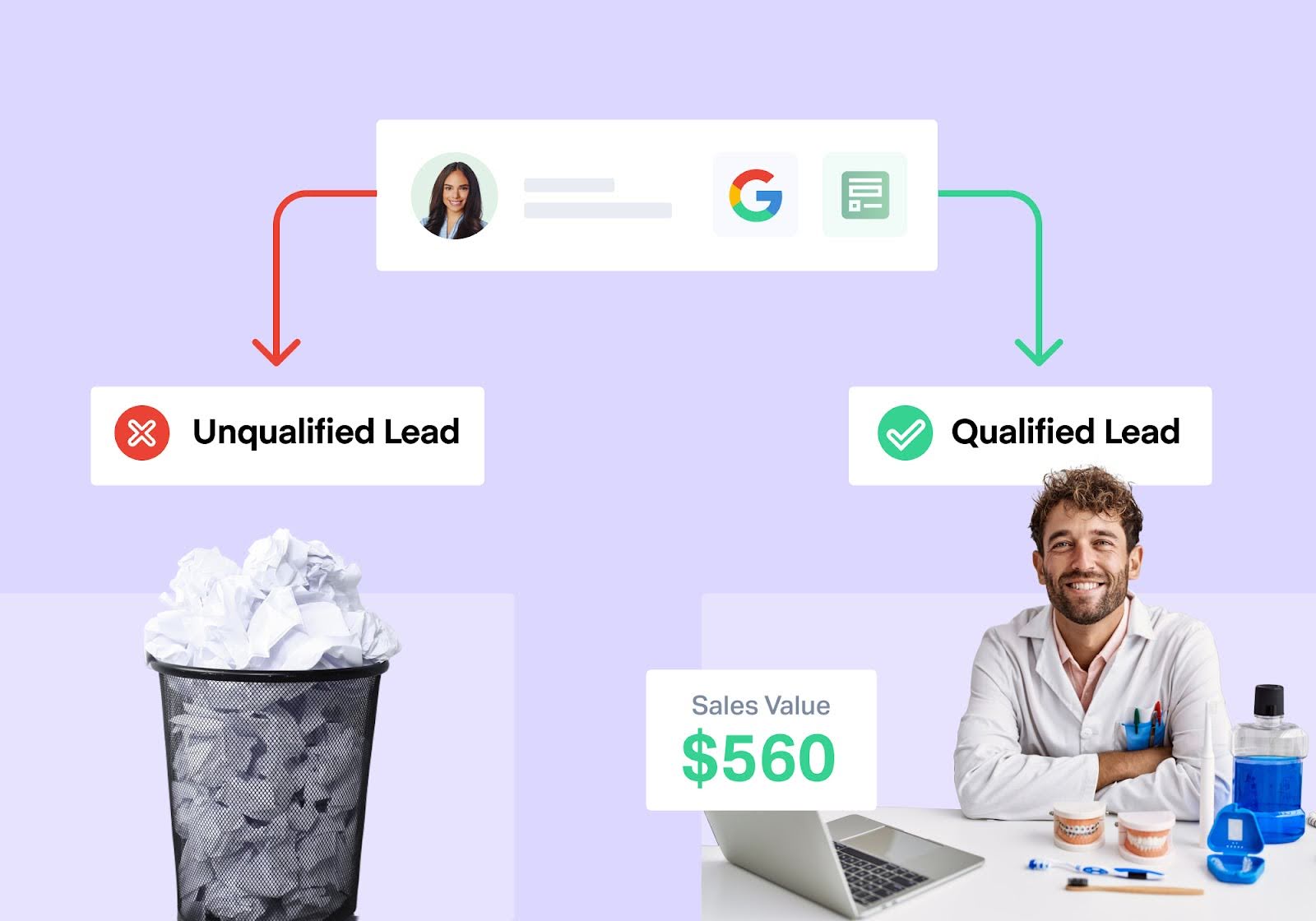
That tells you everything you need to know. Not traffic. Not impressions. Not social engagement. What matters most is whether your B2B lead generation efforts produce prospects that sales can realistically convert.
High volume means little if the leads are unqualified.
The State of B2B Lead Generation in 2026
One of the most common conversations inside US B2B companies sounds like this:
Where are our high-quality leads coming from?
Which channels are actually working?
What should we double down on?
Teams spend hours in meetings analysing dashboards, CRM data, campaign reports, and attribution models.
But here is the uncomfortable reality.
Even some of the largest B2B brands do not have perfect clarity on their lead sources.
Inbound channels continue to perform strongly for B2B lead generation in the US, particularly:
- Email marketing
- Search engine optimisation
- Organic content marketing
Yet when companies are asked to identify their exact lead sources, a significant portion falls under “Other”.
That is often a polite way of saying: attribution is unclear.
Why Lead Attribution Is So Difficult
Today’s digital environment is fragmented.
- Prospects move across devices.
- They switch between browsers.
- They engage while logged in and logged out.
- They click from email to search to social to referral links.
This makes lead attribution complex. It is easy to fall into the trap of chasing perfect clarity instead of focusing on improving overall lead generation performance.
If you do not know exactly where every lead originates, you are not alone.
The more productive approach is to optimise what you can measure and continuously improve conversion across key channels.
Effective B2B Lead Generation Is Not a Shortcut
There is another important point to remember.
Strong B2B lead generation strategies are rarely the result of a single campaign. For every story of explosive growth from one landing page or one webinar, there are thousands of quieter success stories built on:
- Consistency
- Planning
- Testing
- Refinement
Those so-called overnight successes are usually the result of months, sometimes years, of groundwork.
So this is not a promise that implementing 15 tactics will automatically multiply revenue.
It is a framework.
Your lead generation strategy should reflect:
- Your target audience
- Your internal capabilities
- Your available budget
- Your sales cycle complexity
When those pieces align, results compound.
Without further delay, let us move on to practical online B2B lead generation strategies that US companies use to build a qualified pipeline.
Online B2B Lead Generation Strategies
Looking to generate leads online? Below are proven online B2B lead generation strategies that continue to perform in the US market.
Some may seem obvious. That is the point. Often, the fundamentals drive the most consistent results.
1. Email Marketing Still Drives Revenue
When business owners ask how to generate more leads without increasing spend, the answer is often simple:
Content and email.
According to Emma, 59% of marketers say email is their most effective channel for revenue generation. That is not a small number.
If someone is already on your subscriber list, they are a potential lead. But email marketing does more than distribute content. It helps you qualify leads over time. With the right messaging and segmentation, you can determine whether a contact is genuinely sales-ready.
Content drives volume.
Email filters intent.
And yes, cold email outreach remains a viable B2B lead generation tactic in the US when done properly. Not spam. Not automation abuse. Thoughtful outreach.
Which leads to the next point.

2. If You Use Cold Email, Do It Properly
Cold email is one of the most misused channels in B2B.
The difference between strong results and failure usually comes down to preparation.
First, build a high-quality prospect list. Tools can help, but tools are not the strategy. The real work is identifying companies and decision-makers that genuinely fit your ideal customer profile.
Second, clean your list before sending anything. Remove invalid addresses. Verify contacts. Segment by role and relevance.
In a recent campaign, open rates between 33% and 51% and engagement rates between 3% and 6% were achieved, primarily due to list quality and proper vetting. That level of performance does not happen by accident.
Then comes messaging.
Personalisation improves response rates, but creativity also matters. Small pattern interrupts can increase engagement. For example, suggesting a 26-minute call instead of a generic “quick call” increased responses by roughly 10% to 15% in one experiment.
The goal is not gimmicks. It is standing out in a crowded inbox.
Avoid buzzwords. Avoid corporate jargon. Write like a person. Let your creative thinkers shape the message rather than default to safe, forgettable language.
When done well, B2B cold email remains one of the most scalable outbound lead-generation tactics available.
3. High-Quality Content Marketing
Serious B2B lead generation in the US often depends on strong content assets.
This includes:
- Case studies
- Whitepapers
- eBooks
- Webinars
- Industry research
- Data reports
High-quality content requires planning. Data collection. Analysis. Clear positioning. It is not fast, but it builds authority.
Before creating any gated asset, ask a simple question:
Would I exchange my contact details for this?
If the answer is no, improve it.
Some of the strongest performing content assets come from internal data. Many B2B companies sit on valuable insights but never publish them. Anonymised customer data, performance benchmarks, and industry trends can generate hundreds of qualified leads when packaged correctly.
Original expertise also converts well. Turning deep industry experience into structured resources positions your company as a trusted authority rather than just another vendor.
While content creation can take weeks or months, it compounds over time and becomes a core pillar of your lead generation strategy.
4. Improve Your Blogging Strategy
A common complaint is that blogging does not generate enough leads.
Usually, the issue is not blogging itself. It is execution.
If your blog attracts traffic but not conversions, review:
- Search intent alignment
- Topic depth
- Call-to-action placement
- Internal linking
- Content quality
Generic posts rarely convert. Original insight does.
An SEO-optimised blog targeting commercial-intent keywords such as B2B lead generation services in the USA or B2B lead generation companies in the US can drive highly qualified organic traffic.
Consistency matters. Authority builds gradually. Over time, a strategic blog can become one of the strongest inbound lead drivers in your marketing mix.
5. Use Online Communities Strategically
Social media is often dismissed in B2B, but targeted communities can generate high-intent leads.
The key is not broadcasting promotional posts. It is participating.
Look for:
- LinkedIn groups
- Industry Slack communities
- Reddit forums
- Partner ecosystem groups
Study discussions. Identify recurring problems. Contribute meaningful responses.
Decision-makers frequently post questions asking for recommendations or advice. Direct engagement in those moments can generate qualified opportunities without paid advertising.
Always follow community rules. Focus on adding value first.
Used carefully, social platforms can support your broader B2B lead-generation strategy without significant spend.

6. Build Your Own Online Community
Creating your own community can support B2B lead generation while positioning you as a genuine thought leader.
However, if your goal is lead generation, do not approach it purely as a branding exercise. Consider naming the community independently from your company. Build it around a shared problem, not your product.
Post as a person. Build a personal voice. Communities grow when there is trust and consistent value.
An owned community allows you to:
- Share original insights
- Test ideas
- Engage directly with decision-makers
- Identify recurring industry challenges
For early-stage SaaS businesses, this can be particularly powerful. Communities often become a nurturing ground for early adopters who later evolve into advocates.
That said, communities take time. Growth is gradual. They require content, moderation, and engagement. Once the scale increases, you may even need a dedicated community manager.
Think of it as a long-term lead generation investment, not a quick win.
7. Fix Your Website
Your website is the foundation of your online B2B lead generation strategy.
It is your storefront. Your credibility checkpoint. Your conversion engine.
Performance matters. Page speed directly impacts bounce rate. The longer a page takes to load, the higher the probability that visitors leave before engaging.
Google’s PageSpeed Insights is a good starting point. Review:
- Core Web Vitals
- Mobile performance
- Technical errors
- Broken elements
Site speed not only impacts user experience. It also affects search rankings. Lower rankings mean less organic traffic. Less traffic means fewer leads.
If your site is underperforming technically, every other lead generation effort becomes less effective.
8. Target Competitor Leads Strategically
Lost a deal? That does not mean the opportunity disappears.
Competitor research can reveal adjacent prospects similar to deals that fell through. If you have analytical capability, you can build targeted prospect lists based on:
- Industry
- Company size
- Technology stack
- Geography
Tools such as SEMrush and similar platforms allow you to analyse competitor positioning and uncover comparable businesses.
This approach turns competitive intelligence into actionable B2B prospecting.
9. Improve Backlink Quality and Quantity
If you want your content to generate consistent inbound leads, people need to find it.
Backlinks remain one of the strongest ranking signals in search engine algorithms. Without authority signals, even strong content struggles to rank.
Ways to earn high-quality backlinks include:
Guest posting. Contribute valuable content to reputable industry sites and link back naturally.
Broken link outreach. Identify outdated resources and suggest your content as a replacement.
Relevant outreach. Engage with content creators who publish industry roundups or SaaS comparison lists and build genuine relationships.
Buying links may seem easier, but it carries risk and often deliver low-quality placements.
Backlinks alone do not generate leads. But without them, your B2B lead generation content may never reach its audience.
10. Google Search Ads
Google Search Ads are often seen as the pinnacle of paid B2B lead generation in the US.
However, many campaigns underperform.
Research shows that only around 6% of keywords in the average Search Ads account generate conversions. That leaves 94% of the budget unspent with no results.
Paid search works when you master three elements:
Time: Optimisation requires ongoing monitoring and refinement.
Targeting: Focus on commercial intent keywords rather than broad informational terms.
Tracking: Accurate conversion tracking and attribution are essential.
When these three align, search ads can become a powerful lead engine. Without them, the budget disappears quickly.

11. Display Advertising and Paid Social
Display ads across LinkedIn, Facebook, Google, and other platforms can support B2B lead generation, but they demand strong creative and clear targeting.
Unlike search ads, display relies heavily on messaging and visuals.
Before investing heavily, assess:
- Internal creative capability
- Budget flexibility
- Sales alignment
For smaller teams, remarketing campaigns often provide the best starting point. Retarget visitors with valuable gated assets rather than pushing hard sales messages.
For larger budgets, consider partnering with a paid acquisition specialist to avoid costly experimentation.
12. Offer a Free Tool or Trial
Giving away a genuinely useful tool can generate substantial inbound leads.
A free resource lowers friction. If it solves a meaningful problem, prospects willingly exchange contact information.
Successful examples often include:
- Calculators
- Graders
- Templates
- Diagnostic tools
Pair this with a structured follow-up strategy. Nurture leads with relevant content. Guide them toward paid offerings gradually.
When executed correctly, product-led growth can become a core component of your B2B lead generation strategy.
Offline B2B Lead Generation Strategies
Digital channels dominate discussion, but offline methods still matter.
In certain industries, direct interaction accelerates trust and decision-making.
13. Show Up in Person
Sometimes the simplest strategy works.
Early-stage founders have built pipelines by physically approaching prospects and initiating conversations. Direct outreach builds momentum when digital visibility is limited.
This approach works especially well when:
- You are entering a niche market
- Relationships drive purchasing decisions
- You need early traction
Sales and marketing should collaborate. Sales can generate initial interest. Marketing can nurture and educate before the sale closes.
14. Pick Up the Phone
Cold calling may have a mixed reputation, but it remains effective in many US B2B industries.
Preparation is critical.
Research each prospect. Understand their challenges. Anticipate objections. Develop a structured call outline rather than a rigid script.
Cold calling rewards confidence, clarity, and relevance. It is not for every team, but when executed well, it generates immediate conversations.
15. Attend the Right Events
Industry events, trade shows, and conferences remain valuable for lead generation.
The key is strategic selection. Not every event attracts your ideal customer.
Coordinate between sales and marketing before attending:
- Define target attendee profiles
- Set lead capture processes
- Plan post-event follow-up
Often, closing deals on-site is unrealistic. The goal is to initiate conversations and capture qualified contacts for follow-up nurturing.
If event organisers provide access to attendee databases, use them responsibly. Structured follow-up campaigns can extend the value of a single event for months.
Frequently Asked Questions About B2B Lead Generation
What is B2B lead generation?
B2B lead generation is the process of identifying and attracting potential business customers interested in your product or service. It involves collecting contact information and qualifying prospects so sales teams can convert them into paying clients.
In the US market, this typically includes a mix of inbound marketing, outbound prospecting, paid advertising, and referral strategies.
What are the best B2B lead generation strategies in the US?
The most effective B2B lead generation strategies in the US depend on industry and budget, but consistently strong performers include:
- Email marketing
- Cold email outreach
- Search engine optimisation
- Google Search Ads
- High-quality content marketing
- LinkedIn prospecting
- Industry events
Companies that combine inbound and outbound channels generally see stronger pipeline consistency.
How much does B2B lead generation cost in the US?
The cost of B2B lead generation in the US varies widely by channel and level of competition.
For example:
- Google Search Ads in competitive industries can cost $20 to $100+ per click
- LinkedIn ads often cost more per lead than search, but deliver precise targeting
- Cold email campaigns are lower cost but require time and list quality
On average, cost per lead can range from $50 to several hundred dollars, depending on deal size and targeting precision.
The key metric is not cost per lead alone, but cost per qualified opportunity.
What is a good conversion rate for B2B lead generation?
Conversion rates vary by channel.
Typical benchmarks in the US market:
- Cold email reply rates: 3% to 8%
- Landing page conversion rates: 2% to 5%
- Google Search Ads conversion rates: 3% to 10%
High-ticket B2B services often see lower conversion rates but higher deal values.
Focus on lead quality and downstream sales performance rather than raw percentage metrics.
Is cold calling still effective for B2B lead generation?
Yes, B2B cold calling remains effective in many US industries, especially when combined with research and targeted outreach.
It works best when:
- Prospect lists are highly targeted
- Messaging is tailored
- Calls focus on value rather than scripts
While it is less scalable than digital channels, it can generate immediate conversations with decision-makers.
What is the difference between lead generation and demand generation?
Lead generation focuses on capturing contact information from interested prospects.
Demand generation focuses on building awareness and educating the market before prospects are ready to share contact details.
Most successful US B2B companies combine both. Demand generation creates interest. Lead generation captures and qualifies it.
Should I outsource B2B lead generation?
Outsourcing can make sense when:
- Internal resources are limited
- Sales teams need consistent pipeline support
- Expansion into new US markets requires faster traction
However, outsourced providers must align closely with your target audience, messaging, and qualification standards.
Final Thoughts on B2B Lead Generation in the US
There is no single tactic that guarantees pipeline growth. Effective B2B lead generation results from consistent execution across multiple channels. Email marketing, cold outreach, content, paid media, search engine optimisation, events, and direct sales efforts all play a role when aligned properly.
The US market is competitive. Buyers are informed. Decision cycles are longer. That means your lead generation strategy must be deliberate, data-driven, and adaptable. Test channels. Measure performance. Refine messaging. Focus on qualified opportunities rather than vanity metrics.
Above all, remember that sustainable growth comes from building systems, not chasing shortcuts. When your targeting is sharp, your messaging is clear, and your sales and marketing teams operate in sync, lead generation becomes predictable.
And when you are ready to build a scalable, structured outbound engine that consistently delivers qualified B2B opportunities, there is Konsyg.
Share This Post
Recent Posts
What We Offer
Get Your Quote