

A Go-To-Market (GTM) strategy is a clear plan that defines how a company launches a new product or expands into a new market. It aligns marketing, sales, and operations to ensure your product reaches the right customers with the right message through the proper channels.
In this guide, created by Konsyg’s sales and strategy experts, you will learn how to build a practical GTM framework for the U.S. market. The guide covers every stage of market entry, from positioning and customer targeting to outbound sales execution and performance measurement. It also includes real-world examples and a go-to-market template that you can adapt for your own B2B strategy.

What is a Go-To-Market (GTM) Strategy?
Businesses do not sell to markets. They sell to customers. To succeed, you need to present the right offer at the right time, at the right price, through the right channel, to the right audience.
A Go-To-Market (GTM) strategy defines how a company will bring a product or service to the U.S. market, reach its target customers, and drive sustainable sales growth. It outlines the steps needed to ensure your product connects with real customer needs while differentiating your brand from competitors.
A strong GTM framework is designed to answer four key questions:
- Which U.S. markets will you pursue, and what does the market size and competition look like?
- Who is your target customer, and what problem are you solving for them?
- Why should your target customer choose your product over existing options?
- How will you reach and convert your customers through marketing and outbound sales channels?
Launching a product in the U.S. requires significant investment, and even the most innovative product can fail without the right plan. McKinsey reports that more than 50% of product launches fail to hit business targets.
For B2B companies, the risks are even higher. The U.S. market is highly competitive, with thousands of companies targeting similar customer segments across technology, finance, healthcare, and SaaS sectors. A well-built go-to-market strategy helps avoid costly missteps, such as targeting the wrong audience, misjudging pricing models, or entering a saturated market without clear differentiation.
An effective GTM strategy ensures alignment between marketing, sales, and customer success, creating a path for consistent growth and measurable sales outcomes.
When Peloton entered the U.S. home fitness market, exercise bikes were not considered innovative. The category was mature and dominated by traditional gym equipment brands. Yet, Peloton redefined how customers experienced fitness by reshaping product positioning, distribution, and customer engagement within its go-to-market strategy.
Instead of competing for space in gyms or relying on established fitness retailers, Peloton went directly to where its target customers were. In 2013, the company opened its first store in a New Jersey luxury mall, positioning itself among high-end lifestyle brands. This was more than a sales tactic it was a deliberate GTM move to associate the brand with premium consumer experiences and capture a specific market segment: affluent, tech-savvy customers looking for convenience and exclusivity.

While most Peloton bikes are still sold online, its retail presence remains a core pillar of its go-to-market framework. The stores provide visibility, build brand trust, and drive conversions at critical stages of the customer journey. For many consumers, the stores function as mid-funnel touchpoints, places to experience the product firsthand before committing to a purchase.
Peloton’s success shows that a strong GTM strategy is not only about distribution but also about differentiation, targeting, and customer experience. In less than eight years, Peloton evolved from a startup to a multi-billion-dollar public company by combining innovative technology with a data-driven U.S. market entry plan and precise brand positioning.
When Do You Need a Go-To-Market Strategy?
You need a Go-To-Market (GTM) strategy whenever you introduce a new product or service to the market. Whether you are launching a completely new idea or expanding an existing offering, a clear GTM plan ensures that your product reaches the right audience, in the right way, at the right time.
Here are a few examples where a go-to-market framework is essential:
- An established brand is launching a new product line in its existing market.
Example: A leading beverage company introducing a new energy drink for health-conscious U.S. consumers.
- A company expanding an existing product into new U.S. regions or international markets.
Example: A successful regional hardware chain expanding operations into multiple U.S. states through a structured market entry plan.
- A business is testing a new product in an unfamiliar market.
Example: A tech startup launching its platform in the U.S. for the first time to capture early adopters in the B2B SaaS sector.
In each of these cases, a well-structured go-to-market strategy helps minimise risk, align sales and marketing efforts, and accelerate customer acquisition. Without one, even the strongest product or service can struggle to gain traction in competitive markets like the U.S. B2B landscape.
Go-To-Market Strategy vs. Marketing Plan
A Go-To-Market (GTM) strategy and a marketing plan are both essential for how a business connects with its customers, but each serves a distinct purpose.
A go-to-market strategy is a targeted framework designed for launching a product or entering a new market. It is specific to a single initiative and focuses on product positioning, pricing, and initial customer acquisition. A strong GTM framework addresses the unique challenges and opportunities that come with U.S. market entry or the rollout of a new offering.
In contrast, a marketing plan is a broader, long-term strategy that supports a company’s overall growth objectives. It includes ongoing activities such as advertising, social media, brand awareness, and customer retention. The marketing plan is not tied to one launch; instead, it maintains visibility and loyalty over time.
In simple terms, the go-to-market strategy operates as the short-term, execution-focused plan, while the marketing plan provides the long-term vision for consistent brand presence.
Both work together to drive sustainable growth, ensuring that businesses entering or expanding within the U.S. market can compete effectively and maintain customer trust.
Go-To-Market Strategy Framework
The following go-to-market framework, inspired by leading consulting methodologies and refined through Konsyg’s experience in U.S. B2B sales, outlines the key elements every GTM strategy should include.
Your existing business strategy serves as the foundation. From there, a successful go-to-market plan can be built through three main stages:
- Analyse
Understand the market landscape and identify where your product or service fits best. This includes defining market size, mapping the customer journey, and pinpointing the most valuable customer segments. For U.S. businesses, this stage often involves analysing regional trends, buyer behaviour, and competitive intensity to uncover scalable opportunities.
- Design
Select your target segments and create a value proposition that clearly differentiates your offering. This is where companies refine their positioning on how they want to be perceived in the U.S. market and align it with customer pain points, purchasing drivers, and industry standards.
- Deliver
Implement your sales, marketing, pricing, and distribution channels to effectively reach and acquire your target customers. This is the execution phase, where outbound sales, B2B lead generation, and sales enablement become crucial to ensure measurable results and consistent market traction.
Together, these three stages form a complete GTM framework that connects analysis, strategy, and execution. It ensures your business can enter and scale in the U.S. market with a clear direction and sustainable growth model.

Go-To-Market Strategy Template
Every Go-To-Market (GTM) strategy involves multiple moving parts, whether you are launching a new product or expanding into a new market. Building a strong GTM plan requires the proper structure, clear objectives, and data-backed insights to guide execution.
Using a proven go-to-market template can simplify the process and ensure your strategy stays aligned across all departments. It helps maintain structure, accelerate decision-making, and visualise how each function, marketing, sales, pricing, and distribution, works together to achieve measurable results.
At Konsyg, our approach to a GTM framework mirrors the same disciplined methodology used by leading global firms but is tailored to the needs of U.S. B2B companies. Each go-to-market presentation includes clear steps for market analysis, customer segmentation, outbound sales execution, and revenue planning.
For businesses entering or scaling within the U.S. market, a structured GTM template provides clarity and speed. It allows teams to communicate strategy effectively, test ideas faster, and align leadership around the same vision for market entry and growth.
8 Steps to Crafting Your Go-To-Market Strategy
How do you turn the go-to-market framework into a strategy you can execute in the U.S. market? Use the steps below to connect analysis with action for B2B sales and market entry.
Step 1: Understand Business Objectives
Align your Go-To-Market (GTM) strategy with the company’s core goals so the launch or expansion supports measurable outcomes and resource limits.
Keep these questions in mind when shaping your GTM framework:
- How does this GTM strategy support our primary objectives, such as revenue growth, market share, or diversification?
- Does it align with our vision, mission, and core competencies?
- What resources will it require (financial, people, technology), and do we have them?
- What are the risks, and how do they fit our risk tolerance?
- What are the 30-60-90 day outcomes for the U.S. market (pipeline, SQLs, early revenue, retention signals)?
Step 2: Segment Your Market
The foundation of any strong Go-To-Market (GTM) strategy is understanding exactly who you are selling to. Identifying and grouping customers into meaningful segments allows your team to focus on the audiences that offer the most value and potential for growth in the U.S. market.
Customer segmentation is the process of dividing your total target market into smaller, defined groups based on shared traits, needs, or behaviours.
Each segment represents a unique opportunity to tailor your B2B sales or marketing approach, ensuring that your message, product positioning, and channels align with customer priorities.
Both B2B and B2C markets require different segmentation methods because their purchase motivations and decision-making processes vary significantly.
B2B Segmentation
- Firmographic: Groups businesses by measurable company data such as industry, size, annual revenue, location, or employee count.
- Needs-based: Segments customers according to their specific business challenges, desired outcomes, and operational priorities.
- Technographic: Categorises businesses based on the technologies they use, their level of digital adoption, or integration preferences.
B2C Segmentation
- Demographic: Divides consumers by measurable variables like age, gender, income, education, or occupation.
- Psychographic: Focuses on values, attitudes, lifestyles, and motivations that influence buying behaviour.
- Behavioural: Groups customers based on purchasing habits, usage frequency, brand loyalty, and channel preferences.
In the U.S. market, segmentation should be data-driven and supported by insights from customer research, CRM data, and sales intelligence tools. This ensures your GTM framework prioritises the segments that can deliver both profitability and scalability.
Step 3: Research Competition and Demand
Before refining your value proposition or selecting your target audience, you must understand your market environment, identify your competitors, locate opportunities, and determine how your product fits into the U.S. market landscape.
A strong competitive analysis ensures that your Go-To-Market (GTM) strategy is grounded in real data rather than assumptions. It helps identify demand levels, potential gaps, and areas where your business can position itself as the preferred choice for customers.
Use these questions to guide your analysis:
- Who already offers a similar product or service in the U.S. market?
- Which customer segments and regions do your competitors focus on?
- How is your product different, and what unique value does it bring to customers?
- Is there proven demand, or is the market already saturated?
Conduct a competitive market analysis to map both direct and indirect competitors. Assess their strengths, weaknesses, and go-to-market strategies to identify where you can outperform. Tools like Crunchbase, CB Insights, or Statista can provide insights into funding trends, emerging players, and growth rates within your sector.
For B2B sales, analyse competitor pricing models, sales processes, and customer acquisition channels, especially in competitive industries like SaaS, fintech, and healthcare. Understanding these details allows you to tailor your own GTM framework to stand out in the U.S. B2B market, where differentiation often determines success.

Step 4: Decide on Target Segment and Value Proposition
Once you have completed your market segmentation and competitive analysis, the next step in your Go-To-Market (GTM) strategy is to determine which customer segments you will focus on and how you will position your value proposition for them.
Selecting the right target segment requires balancing both opportunity and capability. Evaluate factors such as segment size, growth potential, willingness to pay, competition level, customer needs, and alignment with your business goals and available resources.
The right choice ensures that your marketing and B2B sales efforts are focused where they can deliver the highest return in the U.S. market.
After choosing your target segments, design the differentiated messages that will resonate with your audience. This becomes your value proposition.
Although it may sound simple, a compelling value proposition is precise and strategic. It should answer:
- What makes your product or service superior to competitors?
- What unique benefits do you offer that directly address customer needs?
- How do you solve specific pain points better or faster than others in your category?
Your value proposition must be clear, credible, and specific to your audience. The goal is not to appeal to everyone but to be the best fit for the target segment you have chosen.
For example, a U.S. software company targeting small businesses might highlight its unlimited customer support and simple onboarding process as core benefits addressing the exact needs of teams with limited technical experience.
Similarly, Uber’s value proposition centres on speed, affordability, and ease of use, qualities that perfectly match customer expectations for on-demand transportation.
In the U.S. B2B market, clarity is crucial. Businesses make decisions based on measurable outcomes such as time saved, productivity gained, or revenue increased. A strong value proposition should communicate how your product drives these results.
Step 5: Map the Customer Journey
Once you have defined your target segment and crafted your value proposition, the next step in your Go-To-Market (GTM) strategy is to map the customer journey. This is the process of understanding how your target customers move from recognising a need to choosing your product as their solution.
Mapping the customer journey helps you design the right touchpoints and messaging at every stage of the buying process. In the U.S. market, where customer expectations are high and competition is intense, precision in guiding prospects through this journey can be the difference between awareness and acquisition.
The journey is typically visualised as a sales funnel with three main stages:
Top of Funnel (Awareness)
Customers first recognise their problem and start looking for possible solutions. They may not yet know your brand.
Your goal here is to create awareness through content marketing, SEO, social media, and outbound campaigns that highlight the problem and position your product as a credible solution.
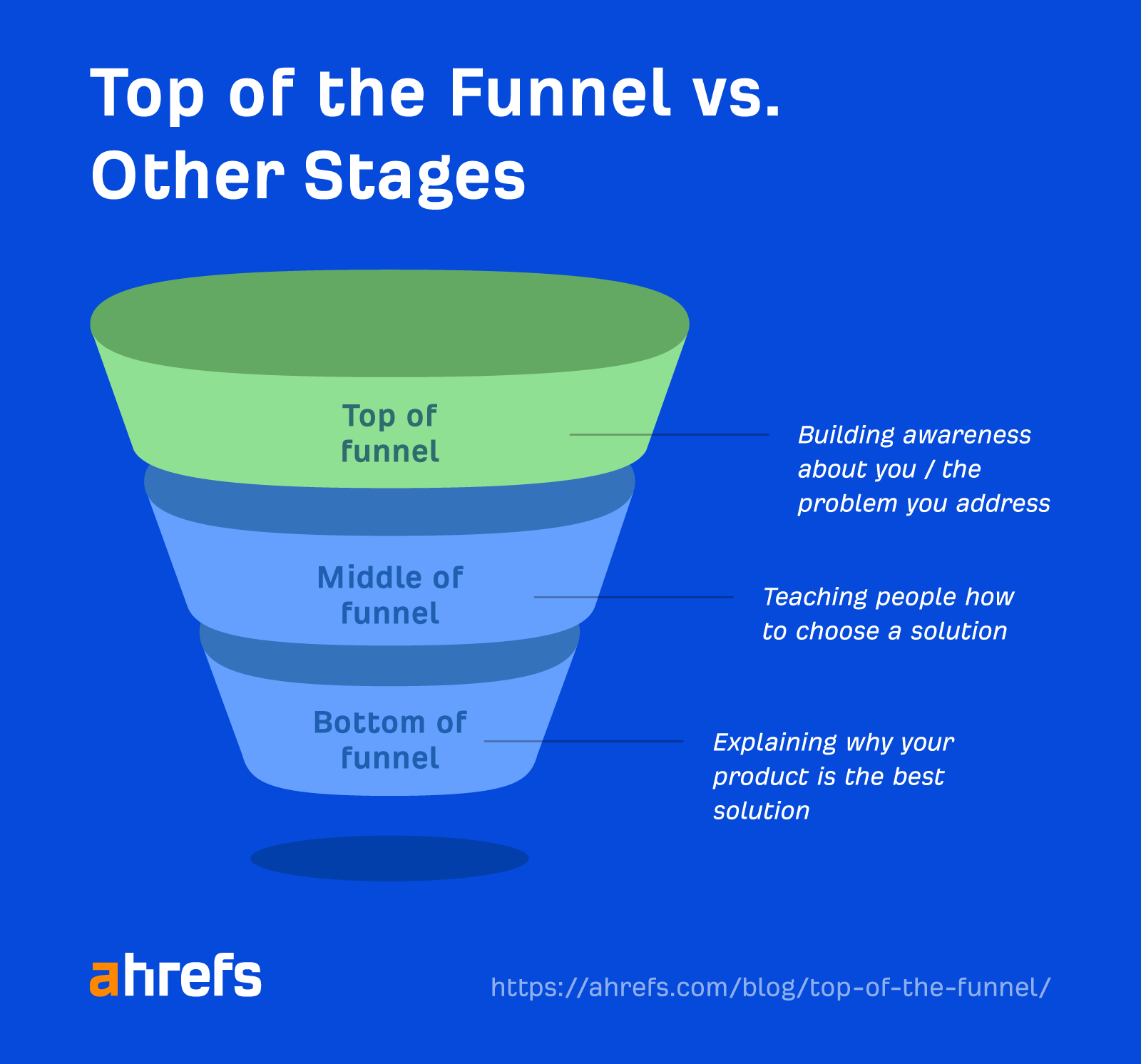
Middle of Funnel (Consideration)
At this stage, customers begin comparing your product with alternatives. This is where differentiation matters most.
Focus on educating prospects through case studies, webinars, product demos, and B2B sales outreach. Demonstrate how your product delivers better outcomes and aligns with their operational goals.
Bottom of Funnel (Decision)
Here, the customer is ready to make a purchase decision. Your objective is to reinforce trust and make the process seamless.
Leverage personalised offers, ROI calculators, customer testimonials, and sales support to close the deal. For B2B sales, this stage often includes proof-of-concept (POC) discussions and contract negotiation to secure final commitment.
By fully understanding your customer journey, you can align marketing, sales, and customer success teams around shared goals. This ensures every interaction is intentional, measurable, and designed to move prospects efficiently through the funnel.
Step 6: Choose Your Sales Strategy
Choosing the right sales strategy is a critical part of any Go-To-Market (GTM) plan. Most companies blend marketing and sales approaches to create a model that aligns with their product type, customer profile, and U.S. market conditions.
While every organisation tailors its GTM execution differently, most strategies fall into one of four primary models: self-service, inside sales, field sales, and the channel model. Each serves a distinct business type and buying process.
- Self-Service Model
In this model, customers make purchases independently, usually online, without direct interaction with sales representatives.
This approach works best for e-commerce and SaaS products that are intuitive, low-cost, or offer freemium options. It eliminates the need for a dedicated sales team but relies heavily on digital marketing, SEO, and conversion optimisation to drive traffic and sales.
Examples include e-commerce platforms, productivity apps, and SaaS tools like Zoom or Canva.
- Inside Sales Model
Here, marketing attracts leads through campaigns, gated content, or product trials. Once potential customers engage, the inside sales team follows up to qualify and convert them.
This model is ideal for B2B companies offering products that require explanation or onboarding but not face-to-face meetings.
Examples include subscription-based software, marketing automation platforms, and CRM systems.
Inside sales teams are especially effective in the U.S. market, where scalable B2B sales processes and strong sales development (SDR) operations are key to growth.
- Field Sales Model
In a field sales approach, sales representatives meet clients in person to demonstrate solutions, negotiate contracts, and build long-term relationships.
This model suits complex or high-value offerings that require a consultative sales process. It often includes enterprise sales, industrial solutions, or custom software.
Examples: enterprise SaaS systems, manufacturing solutions, and large consulting projects.
Though resource-intensive, this approach can yield high conversion rates in industries where personal relationships and deep product knowledge are essential.
- Channel Model
The channel model uses third-party resellers, partners, or value-added distributors to expand market reach. This strategy leverages existing customer networks and local expertise, making it an effective path for scaling across regions in the U.S. market and beyond.
Examples: consumer electronics sold through retail partners or enterprise software distributed through resellers.
To succeed, companies must provide partners with training, marketing materials, and clear incentive structures.
Selecting the right sales model depends on your product complexity, target audience, average deal size, and sales cycle length. Many U.S. B2B companies use a hybrid approach, combining inside sales and channel partnerships to balance scalability and relationship depth.
Step 7: Select Marketing Channels
Your marketing channels are the pathways through which you reach your audience, generate demand, and move potential customers through each stage of the buyer’s journey from awareness to decision. The right mix of channels depends on your target audience, their buying behaviour, and how they consume information in the U.S. market.
Different channels play distinct roles across the customer journey:
- Top of Funnel (Awareness): Focus on visibility and brand introduction. Channels such as SEO, content marketing, and public relations (PR) increase exposure among new audiences. In the U.S. market, thought leadership articles on LinkedIn, press coverage, or search-optimised blog content are powerful tools to capture early attention.
- Middle of Funnel (Consideration): Engage leads who are evaluating solutions. Use case studies, email marketing, webinars, and retargeting campaigns to demonstrate credibility and value. These channels help educate prospects and move them closer to a purchase decision.
- Bottom of Funnel (Decision): Focus on conversion. Tactics such as free trials, product demos, and personalised offers are effective for driving commitment. Customer testimonials, ROI-focused landing pages, and sales outreach further reinforce trust at this stage.
When choosing channels, align them with where your ideal customers spend their time. For instance, younger consumers may prefer YouTube or TikTok, while B2B decision-makers are more active on LinkedIn, Google Search, and industry-specific platforms. This ensures your GTM strategy delivers the right message through the right medium.
Step 8: Design Your Pricing Strategy
Your pricing strategy is one of the most critical components of your Go-To-Market (GTM) plan. It defines how your product or service will be positioned in the market and how it will generate sustainable revenue. Effective pricing requires balancing costs, competition, customer value perception, and business objectives, whether your focus is on growth, profitability, or market entry.
There is no universal formula for pricing. The right approach depends on your target audience, industry dynamics, and U.S. market conditions. Below are four proven pricing models to guide your strategy.
- Cost-Plus Pricing
This method adds a fixed percentage (markup) to your production or operational costs to ensure a profit margin. It’s straightforward and helps maintain predictable returns, but it may not reflect actual market demand or customer value perception.
Best for: Established industries with stable cost structures or low price sensitivity.
- Value-Based Pricing
This approach sets prices according to how much customers perceive your product’s value to be. It requires detailed market research, an understanding of customer pain points, and insight into their willingness to pay. When executed well, this model can lead to higher profitability, especially in the U.S. B2B market, where decisions are often ROI-driven.
Best for: Differentiated products that deliver measurable business outcomes such as efficiency, revenue growth, or cost savings.
- Competitor-Based Pricing
Here, pricing is determined by evaluating the cost of similar products or services in the market. You can choose to position your offering at a premium, at parity, or at a discount, depending on your goals and brand perception. While it ensures competitiveness, this model can limit flexibility if used without a clear differentiation strategy.
Best for: Highly competitive markets where pricing transparency is high, such as SaaS, consumer tech, or subscription services.

- Penetration Pricing
In this model, businesses set an initially low price to attract customers and quickly gain market share. Once the brand is established, prices are gradually increased to reflect value and improve margins. This strategy can be powerful in the U.S. market, where early adoption often determines success, but raising prices later must be handled carefully to avoid churn.
Best for: New market entrants aiming to build traction and customer loyalty fast.
Your final pricing strategy should align with your overall GTM framework and long-term business vision. Many successful U.S. B2B companies use a hybrid approach, combining value-based pricing for premium offerings with penetration pricing for entry-level products.
When pricing is done strategically, it not only drives revenue but also reinforces your brand positioning and strengthens your competitive edge in the U.S. market.
Share This Post
Recent Posts
What We Offer
Get Your Quote