

Cold Email Strategies for B2B Lead Generation in the U.S. Market
Incorporating cold email outreach into your strategy can be a game-changer
In the world of B2B lead generation, incorporating cold email outreach into your strategy can be a game-changer, especially in the competitive U.S. market. Cold email is not simply about sending messages. It is about starting conversations that can evolve into long-term client relationships and drive measurable revenue growth.
For U.S. businesses, the ability to scale outreach while maintaining personalisation is critical. Whether you are a startup in New York or a growing enterprise in California, integrating cold email into your overall strategy can help your sales team cut through the noise and reach decision-makers faster.
From building trust with potential clients to consistently generating qualified leads, outreach emails continue to prove their value in the American B2B landscape.
In this post, we will examine the key elements of using cold email effectively. This includes creating detailed buyer personas that reflect the U.S. market, equipping sales teams with tools to contact prospects based on real business needs, and using offers such as free trials or gated resources to capture contact information.
By applying these strategies, businesses can make their cold email campaigns more targeted, more personalised, and more successful in driving B2B sales across the United States.

Generate B2B Leads with Cold Outreach
Generating B2B leads through cold outreach requires more than sending mass emails; it also involves effective targeting and personalised messaging. It requires a clear plan, consistent execution, and a thorough understanding of the U.S. business environment. Companies that succeed are those that balance personalisation with scale, aligning their outreach with the expectations of American decision makers.
Define Your Target Audience
Before launching a cold outreach campaign, it is crucial to define clearly who you want to reach. A successful B2B lead generation strategy begins with understanding the industries, decision-makers, and company traits that align with your product or service.
When you identify the right audience, your cold emails become more relevant, increasing the likelihood of generating high-quality leads.
Start by mapping the industries in the United States that benefit most from what you offer. For example, if you provide healthcare software, your focus should be on hospitals, clinics, and U.S.-based healthcare professionals who rely on technology to improve patient care. By narrowing your scope to industries with the strongest fit, you avoid wasting time on prospects that are unlikely to convert.
Next, identify the job titles of decision-makers within those industries. In the U.S. market, these often include executives, managers, and department heads with direct purchasing authority. By understanding their priorities, whether cost savings, efficiency, or innovation, you can tailor your outreach to address specific challenges and demonstrate clear value.
Finally, consider the characteristics of the companies you want to target. Elements such as company size, revenue, and geographic location play a critical role in outreach success.
For instance, the tone and value proposition for small to medium-sized businesses in Texas may differ from messaging aimed at Fortune 500 enterprises headquartered in New York. Adjusting your approach based on these factors makes your outreach more personalised and ensures stronger engagement.
Build a High-Quality Prospect List
Once you have defined your target audience, the next step in B2B lead generation through cold outreach is building a high-quality prospect list. The effectiveness of your campaign depends heavily on the quality of the data you use. A well-built list enables you to target decision-makers who are most likely to respond and convert.
In the U.S. market, companies often leverage resources such as LinkedIn Sales Navigator, industry directories, and professional associations to find accurate contacts. Local chambers of commerce and U.S.-based business databases can also provide verified information about companies and executives.
The key is to ensure that every contact matches your target audience criteria, including industry, job title, company size, and location. By focusing on verified and up-to-date data, you reduce bounce rates and increase the chances of connecting with the right prospects.

Craft Personalised and Compelling Messages
After building your list, the next step is to engage those contacts with messages that stand out. In the United States, decision makers receive countless cold emails every week, and generic outreach is almost always ignored. Personalisation is the factor that turns an unsolicited email into a meaningful conversation.
Research each prospect to understand their specific pain points and tailor your message to align with their business challenges.
For example, a small logistics firm in Texas may respond well to efficiency-driven messaging, while a financial services executive in New York may value compliance and risk management solutions. Use this knowledge to create subject lines and opening lines that show you have done your homework.
Your email should present a clear value proposition, what problem you solve and why it matters to their role. Keep the message concise, relevant, and actionable.
Personalised outreach demonstrates credibility and significantly increases reply rates, positioning your sales team for stronger results in the U.S. B2B sales landscape.
Use an Engaging Subject Line
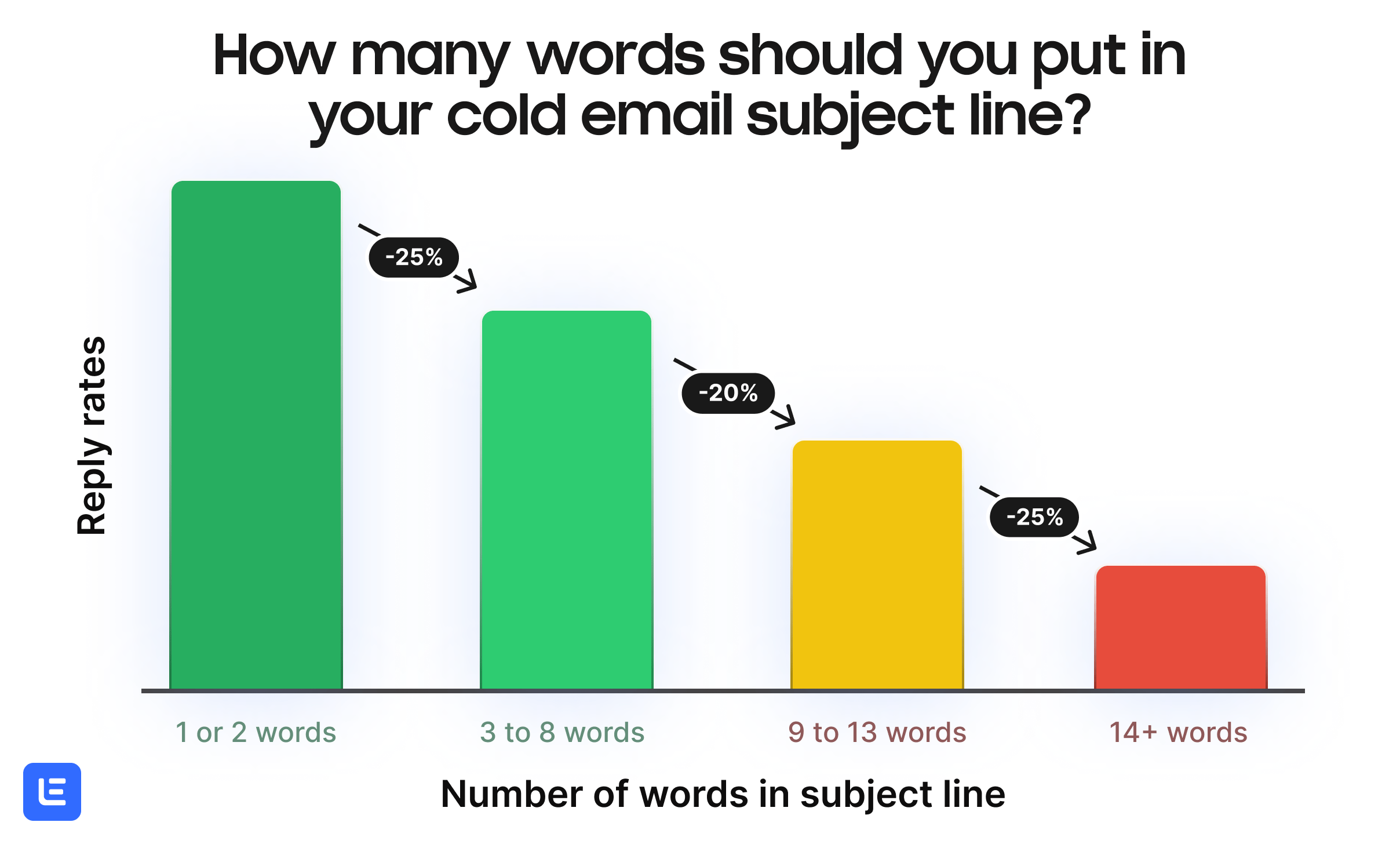
The subject line is one of the most essential parts of a cold email. It determines whether your prospect decides to open or ignore your message. In the crowded inboxes of U.S. executives, subject lines that feel like a sales pitch or spam are quickly deleted.
Instead, focus on sparking curiosity or highlighting value. For example, a subject line such as “How a Boston startup doubled its leads in 30 days” is more likely to grab attention than something generic like “Grow your business with our tool.” U.S. decision makers respond well to clear, benefit-driven language that demonstrates relevance to their industry or challenges.
Keep your subject lines short, ideally under 50 characters, so they display correctly on both desktop and mobile. Adding personalisation, such as including the prospect’s name or referencing a local trend, can make the email feel more tailored and increase open rates.
Follow Up Strategically
Cold outreach is rarely effective after just one attempt. In the U.S. B2B market, buyers often need multiple touchpoints before responding to a new vendor. This makes a structured follow-up sequence essential.
Develop a plan that includes three to five follow-up emails, spaced over two weeks. Each email should add something new, whether it is a case study, industry data, or a testimonial from another U.S.-based company. Persistence is key, but avoid coming across as pushy. Instead, show consistent value and remind prospects why your solution deserves their attention.
Leverage Personalised Landing Pages or Offers
To maximise the impact of your cold outreach, pair your emails with personalised landing pages or targeted offers. Instead of sending prospects to a generic homepage, direct them to a page that specifically addresses their industry or role.
For example, an IT director in Chicago may focus on messaging related to security and efficiency. At the same time, a marketing executive in Los Angeles may prioritise messaging about lead generation and ROI.
Adding a clear offer, such as a free trial, a localised market report, or an invitation to a webinar, can further increase engagement. Include a straightforward call-to-action that guides them to the next step in the lead generation process.
By creating a seamless path from email to landing page, you make it easier for U.S. prospects to see the value of your solution and move closer to becoming clients.
Track and Analyse Results
As with any marketing strategy, it is critical to track and analyse the results of your cold outreach campaigns.
Monitor key metrics, such as open rates, response rates, and conversion rates, to identify which tactics are effective and which areas require improvement. In the competitive U.S. market, data-driven insights make the difference between campaigns that succeed and those that stall.
Use this performance data to refine subject lines, adjust follow-up timing, and improve personalisation. Testing different approaches and measuring results allows you to discover the strategies that resonate most with your target audience.
Over time, this process of continuous optimisation ensures that your cold outreach becomes more efficient and more effective.
By applying these practices, businesses can generate consistent B2B leads through cold outreach and increase the chances of converting prospects into long-term customers.
The most successful U.S. companies treat cold outreach as an ongoing process, not a one-time tactic. With the right tools and a clear strategy, you can streamline prospect research, build high-quality lists, and send personalised emails that deliver measurable results.

B2B Cold Outreach Strategies
B2B cold outreach involves reaching out to potential clients or partners who may have no prior relationship with your company. In the highly competitive U.S. market, a successful cold outreach strategy must strike a balance between personalisation, persistence, and value. Below are proven strategies that U.S. businesses can use to connect with prospects and generate high-quality leads.
- Personalised Email Campaigns
Cold email remains one of the most effective B2B outreach tools. Craft highly personalised and targeted email messages that reflect research on the recipient’s business. Mentioning industry trends in the U.S. market or recent news related to their company shows that you have done your homework. A personalised approach builds trust and increases response rates.
- Social Media Outreach
Engage with prospects on professional platforms such as LinkedIn. For U.S. businesses, LinkedIn is often the first place decision makers connect with new vendors. Share relevant content, comment on industry discussions, and initiate conversations based on shared interests or mutual connections before transitioning into direct outreach.
- Cold Calling
Despite the rise of digital channels, cold calling remains an effective method for B2B lead generation. Use a well-prepared script, but focus on asking questions and addressing pain points rather than delivering a generic pitch. In the U.S., prospects value direct communication that gets to the point while demonstrating clear business value.
- Direct Mail
Personalised physical mail can stand out in a digital-first environment. Sending tailored letters, postcards, or promotional items to U.S.-based executives makes your outreach memorable. Ensure your message is compelling and relevant, especially when targeting industries where traditional communication still carries weight.
- Content Marketing
Provide prospects with valuable content that addresses their challenges. Share whitepapers, case studies, or blog posts that highlight solutions to problems commonly faced by U.S. companies. Distributing this content through email or LinkedIn positions your brand as a credible authority in the market.
- LinkedIn InMail
Leverage LinkedIn’s InMail feature to connect directly with decision makers. Craft concise, benefit-driven messages that show a clear understanding of the recipient’s role and industry. U.S. executives are more likely to engage with messages that respect their time and offer practical value.
- Webinars and Events
Hosting webinars or attending industry events is a strong way to connect with U.S. prospects. These forums enable you to showcase your expertise, answer questions in real-time, and build credibility without a hard sell. Participation in relevant conferences also expands your professional network.
- Follow-Up Sequences
Cold outreach is rarely successful after the first attempt. Design structured follow-up sequences that provide fresh value in each message. In the U.S. market, persistence paired with professionalism is seen as commitment rather than intrusion, especially if each follow-up adds insights or resources.
- Referral Programs
Encourage satisfied clients to refer your services to others. In U.S. B2B sales, word-of-mouth recommendations remain powerful. A structured referral program incentivises introductions and creates trust before your first direct interaction with new prospects.
- Multichannel Approach
Relying on a single channel limits your reach. Combine email, LinkedIn, phone calls, and direct mail into a coordinated strategy. A multichannel approach ensures you are visible across multiple touchpoints, thereby increasing the likelihood of engagement with U.S. decision-makers.
- Personalised Video Messages
Short, personalised videos can grab attention in crowded inboxes. A 60-second video that addresses a prospect by name and references their company shows effort and creativity. In the U.S. market, where executives are inundated with text-heavy outreach, video messages can set you apart.
- Offer Free Resources
Provide free resources such as eBooks, industry reports, or diagnostic tools. These offers not only add value but also help you collect contact information and nurture prospects through the sales funnel. In a data-driven U.S. environment, businesses respond positively to resources that help them make better decisions.
Successful B2B cold outreach in the United States requires a thoughtful mix of personalisation, consistency, and value delivery.
By combining multiple strategies, including personalised emails, LinkedIn outreach, webinars, and referral programs, you increase your chances of connecting with the right decision-makers.
The key is to continuously adapt your approach based on feedback, analytics, and market trends to ensure lasting impact in the U.S. B2B landscape.
Best Practices for Cold Email Outreach
Cold email outreach can be an effective B2B lead generation strategy, particularly in the U.S. market, where businesses value personalisation and efficiency. When done correctly, cold email creates opportunities for engagement, lead generation, and long-term client relationships. Below are the best practices to maximise its impact.
Direct and Personalised Communication
Cold email allows you to connect with potential prospects one-on-one. Unlike broad marketing channels such as digital ads or social media, it enables highly personalised and targeted messaging. By tailoring emails to the recipient’s role, industry, or business challenge, you increase the likelihood of engagement and build credibility.
Cost-Effective Outreach
Compared to paid advertising or large-scale campaigns, cold email is a cost-effective B2B strategy. With the right tools and prospecting methods, U.S. companies can reach hundreds or thousands of potential customers without significant upfront investment, making it accessible for both startups and larger enterprises.
Scalable Campaigns
Cold email is highly scalable once you have structured templates and proven processes. Using automation platforms, sales teams can send customised outreach at scale, reaching large volumes of U.S. prospects while maintaining personalisation. This combination of efficiency and relevance is a significant advantage over traditional marketing channels.
Targeted Approach
Cold email outreach enables the precise targeting of industries, job titles, and company sizes that align with your ideal customer profile. For example, a SaaS company may focus on CTOs in mid-sized U.S. tech firms, while a consulting firm might prioritise CFOs in healthcare organisations. Reaching the right audience significantly increases the chances of generating quality leads.
Measurable Results
One of the most significant advantages of cold emailing is its measurability. Campaign metrics such as open rates, response rates, and conversions provide a clear view of performance. By analysing this data, U.S. businesses can make informed adjustments, optimising campaigns for higher impact and better ROI.
Relationship Building
Cold emails are more than an entry point for sales; they are an opportunity to build relationships. Sharing helpful insights, resources, or industry benchmarks demonstrates expertise and builds trust. Over time, these personalised interactions can turn into long-term client partnerships.
Frequently Asked Questions (FAQ)
- Is cold email outreach legal in the United States?
Yes, cold email outreach is legal in the U.S. as long as it complies with the CAN-SPAM Act. This means you must avoid deceptive subject lines, include a straightforward opt-out option, and provide accurate sender information. Following these rules ensures compliance while protecting your sender reputation.
- How many cold emails should I send per day?
The volume depends on your tools and email deliverability practices. For U.S. businesses, starting with 50–100 personalised cold emails per day per domain is common. As your domain reputation strengthens, you can scale gradually. Quality and personalisation should always take priority over sheer volume.
- What is a reasonable open rate for cold email outreach?
In the U.S. B2B market, an open rate between 30%–50% is considered strong. Performance depends on factors such as subject line quality, personalisation, and how well your message aligns with the recipient’s industry or role.
- How long should my cold email be?
Cold emails should be short and easy to scan. In the U.S., busy executives prefer emails under 150 words. Focus on a strong subject line, a personalised opening, a clear value proposition, and a straightforward call to action.
- How many follow-ups should I send?
A follow-up sequence of three to five emails spread over one to two weeks works well in the U.S. market. Each follow-up should provide new value, such as a case study, testimonial, or relevant industry insight, rather than repeating the same message.
- What tools can help with cold email outreach?
Popular tools in the U.S. include platforms such as Outreach, Salesloft, and Apollo for email automation, as well as LinkedIn Sales Navigator for prospecting. These tools help you scale outreach while maintaining personalisation.
Conclusion
Incorporating cold email outreach into your B2B lead generation strategy is a proven method for connecting with potential customers, particularly in the U.S. market. By personalising your messages, writing subject lines that capture attention, and consistently offering value, you can stand out in crowded inboxes and secure stronger engagement.
Cold emailing remains one of the most cost-effective methods for reaching decision-makers across various industries. It enables you to target specific job titles, company sizes, and regions, delivering measurable results through open rates, responses, and conversions. By tracking these metrics and refining your approach, your outreach becomes more precise and more impactful over time.
When executed with strategy and consistency, cold email outreach is not just a tool for generating leads; it is a powerful strategy for driving business growth. It is a channel for building trust, nurturing relationships, and driving long-term growth in the competitive U.S. B2B landscape.
If you want an expert for your B2B cold email strategy in the U.S. market, get in touch with Konsyg and book a meeting today.
Share This Post
Recent Posts
What We Offer
Get Your Quote