

B2B Lead Generation: How to Build a Pipeline That Converts Leads in the US In 2026
B2B lead generation is the process of identifying, attracting, and qualifying potential business customers who are likely to purchase your product or service.
Building a predictable sales pipeline in the US market requires more than activity. It requires a structured approach to B2B lead generation.
Whether you are scaling an existing go-to-market strategy or building one from scratch, strong B2B lead generation determines how consistently your team generates qualified opportunities and revenue.
In this guide, you will learn:
- Why investing in B2B lead generation drives measurable pipeline and revenue growth
- How sales and marketing teams in the US divide lead generation responsibilities
- Which B2B lead generation strategies and tools convert prospects into a qualified pipeline

What Is B2B Lead Generation?
B2B lead generation is the process of identifying, attracting, and qualifying potential business customers who are likely to purchase your product or service. In the US market, it typically targets decision makers who already recognise a business problem and are actively researching solutions.
Within the sales funnel, B2B lead generation sits at the point where awareness turns into intent. Prospects understand their pain points and begin comparing vendors, pricing models, and outcomes. The goal is not just to generate interest, but to generate qualified opportunities that can move into the sales pipeline.
Effective B2B lead generation is the foundation of a predictable sales pipeline and sustainable revenue growth. Without a structured lead-generation strategy, the pipeline becomes inconsistent and forecasting unreliable.
Sales and marketing teams work together to define ideal customer profiles, refine messaging, and build purchasing intent. Marketing attracts and nurtures interest. Sales validates fit and advances conversations. When aligned, B2B lead generation creates a consistent flow of sales-qualified leads that convert into revenue.
Why B2B Lead Generation Matters
In competitive US markets, effective B2B lead generation does more than fill your CRM. It directly impacts pipeline stability, revenue growth, and overall sales performance.
Pipeline Predictability
Consistent, high-quality B2B lead generation creates pipeline predictability. When qualified leads enter your funnel at a steady rate, revenue forecasting becomes more accurate, and sales capacity planning improves.
Instead of unpredictable quarters driven by sporadic demand, your business operates with visibility and control. A structured lead generation engine reduces revenue volatility and builds long-term stability.
Revenue Velocity
Targeting the right accounts with the right messaging improves conversion efficiency. Strong B2B lead generation ensures that prospects entering your pipeline already recognise their pain points and are actively evaluating solutions.
As lead quality improves, sales conversations become more focused. Conversion rates increase. Sales cycles shorten. Revenue moves faster through the funnel, improving overall revenue velocity.
Sales Efficiency
B2B lead generation also sharpens your market focus. By clearly defining your total addressable market and ideal customer profile, you allocate resources toward accounts with the highest likelihood of closing.
This reduces time spent on low-fit prospects, lowers customer acquisition costs, and increases win rates. Over time, a disciplined lead generation strategy compounds efficiency gains across the entire sales organisation.
Types of B2B Leads
In any B2B lead generation strategy, not all leads are created equal. US go-to-market teams typically categorise leads based on buying stage, qualification level, and readiness for sales engagement.
Understanding the difference between marketing qualified leads and sales qualified leads is essential for maintaining pipeline efficiency and protecting sales resources.
Marketing Qualified Leads
Marketing qualified leads, or MQLs, are early-stage prospects who have demonstrated interest but are not yet ready for a direct sales conversation. They have engaged with your brand in ways that signal potential fit and emerging intent.
Common MQL signals include content downloads (e.g., whitepapers or industry reports), webinar or virtual event attendance, repeat visits to product pages, email engagement, and requests for educational resources.
At this stage, prospects are researching solutions, evaluating approaches, and building internal alignment. Marketing owns the MQL phase, using targeted content, email campaigns, and remarketing to increase buying intent and move leads closer to qualification.
Strong B2B lead generation programmes in the US market rely on structured nurturing to convert MQLs into sales-ready opportunities rather than pushing them prematurely into the pipeline.
Sales Qualified Leads
Sales-qualified leads (SQLs) indicate a higher level of buying intent. These prospects meet defined qualification criteria and are ready for direct engagement with a sales representative.
SQLs typically request demos, ask detailed pricing questions, or demonstrate intent by interacting with case studies, ROI calculators, or comparison pages. Many organisations also apply qualification frameworks such as Budget, Authority, Need, and Timeline to confirm readiness.
When marketing transfers an SQL to sales, both teams must agree on acceptance criteria. Clear lead-scoring models, defined handoff processes, and documented service-level agreements prevent pipeline leakage and ensure accountability.
A disciplined approach to distinguishing MQLs from SQLs improves overall B2B lead-generation performance. It ensures that sales teams focus on high-probability opportunities while marketing continues to build intent among early-stage prospects.

B2B Lead Generation Process
High-performing B2B lead generation programmes follow a structured framework. In competitive US markets, random activity does not build a pipeline. A repeatable system does.
Three core steps move prospects from awareness to a qualified sales pipeline.
Step 1: Identify Your Ideal Buyer
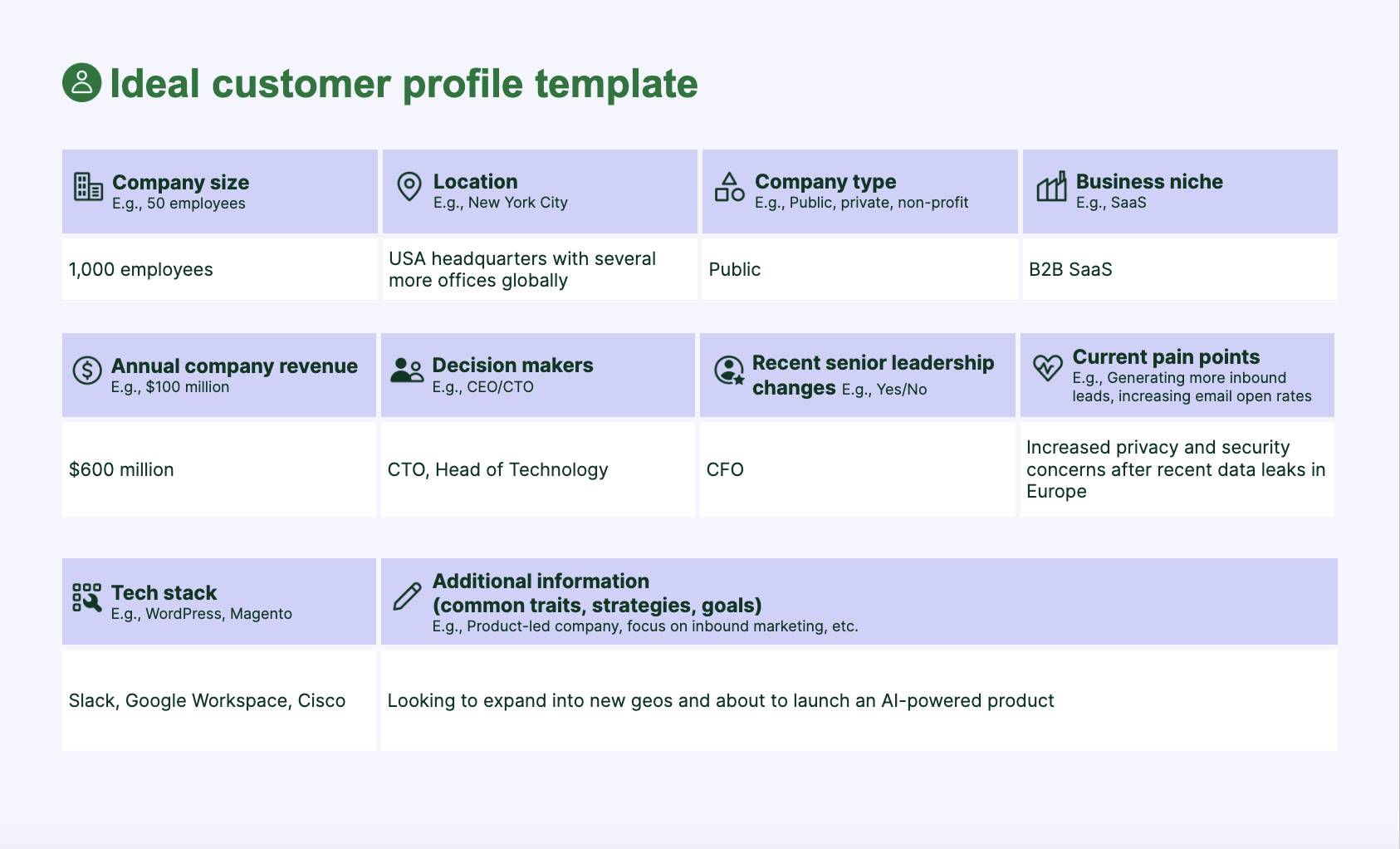
Every successful B2B lead generation strategy begins with a clearly defined ideal customer profile, or ICP. Your ICP represents the accounts most likely to convert, retain, and generate long-term revenue.
An effective ICP combines firmographic, technographic, demographic, and behavioural data from your highest-performing customers. Many US companies operate with multiple ICPs when serving different industries or product tiers.
Key criteria typically include industry, company size, revenue range, growth stage, and geographic focus.
Technographic factors such as existing systems and integration requirements also influence fit.
Decision-maker roles, seniority, and buying authority clarify who to target within each account.
Behavioural signals such as pain points, buying triggers, and engagement patterns further refine prioritisation.
A clearly defined ICP narrows your total addressable market to high probability accounts. This improves targeting accuracy, messaging relevance, and overall lead conversion rates.
Step 2: Choose the Right Strategies and Channels
Once the ICP is defined, the next step in the B2B lead generation process is selecting the right mix of channels.
Channel selection should reflect where your buyers spend time, how they research solutions, and what stage of the buying journey they are in. US B2B buyers often move between digital research, peer validation, and direct outreach before engaging with sales.
Common lead generation channels include search engine optimisation and content marketing for inbound visibility, LinkedIn outreach for targeted prospecting, paid search for high-intent demand capture, email campaigns for nurturing, and webinars for education and qualification. Referral programmes and partner ecosystems also play an important role in accelerating trust.
The key is alignment. Channels must reinforce each other and deliver a consistent value proposition across touchpoints. Fragmented outreach weakens conversion rates.
Step 3: Qualify, Nurture, and Convert
Generating leads is only the first half of B2B lead generation. Qualification and nurturing determine whether leads turn into pipeline.
Lead scoring models assign point values to specific attributes and behaviours. High-intent actions such as demo requests or pricing page visits typically carry more weight than content downloads or email engagement. Firmographic fit, such as job title alignment or company size match, further increases score thresholds.
For example, a demo request may immediately qualify a lead as sales-ready. A visit to the pricing page may trigger accelerated outreach. A whitepaper download may place a prospect into a targeted nurture sequence. Job title alignment strengthens qualification confidence, while repeated email engagement signals growing intent.
Leads that do not meet the sales-qualified threshold are placed in automated nurture workflows. These sequences deliver relevant content based on stage, industry, or expressed pain points. As engagement increases, scores rise. Once qualification criteria are met, the lead routes to sales with full visibility into previous interactions.
A structured qualification system ensures that sales teams focus on high-intent opportunities while marketing continues building demand upstream. This alignment is what transforms B2B lead generation from activity into predictable revenue.
Who Runs B2B Lead Generation?
In modern US go-to-market organisations, B2B lead generation is not owned by one department. It is a coordinated effort between sales and marketing, supported by revenue operations.
Each team holds distinct responsibilities, but predictable pipeline growth depends on alignment.
Sales Team Structure
Within larger sales organisations, B2B lead generation responsibilities are divided across specialised roles.
Sales Development Representatives or Business Development Representatives handle the first contact. They prospect, respond to inbound enquiries, assess fit against the ideal customer profile, and evaluate buying intent. Their primary responsibility is qualification. They protect the sales pipeline by ensuring only high probability opportunities move forward.
Account Executives or Business Development Managers take over when a lead meets the sales-qualification criteria. They conduct discovery calls, deliver demonstrations, manage negotiations, and close revenue. From the SQL stage onward, they own pipeline progression and deal velocity.
Even in smaller US companies without a formal SDR-AE separation, clearly defining ownership across the lead-generation process helps prevent bottlenecks. When responsibilities are unclear, leads stall and conversion rates decline.
Marketing Team Structure
Marketing teams drive the demand engine behind B2B lead generation.
Demand generation marketers focus on attracting and nurturing potential buyers. They build awareness through content marketing, paid campaigns, search engine optimisation, webinars, and targeted outreach. Their goal is to generate marketing-qualified leads and move them closer to sales readiness.
Growth marketers extend beyond acquisition. They optimise the full customer lifecycle, including onboarding, product adoption, account expansion, and referral programmes. In many US SaaS and technology companies, growth marketing transforms satisfied customers into a source of new leads through advocacy and cross-sell opportunities.
Together, these functions fuel the top and middle of the sales funnel.
Sales and Marketing Alignment
B2B lead generation breaks down when sales and marketing operate independently. Misalignment leads to poor quality leads, delayed follow-up, and inaccurate forecasting.
Alignment begins with shared definitions of the ideal customer profile and qualification criteria. Both teams must agree on what constitutes a marketing-qualified lead and what triggers a sales-qualified lead.
Lead scoring models and SQL thresholds should be unified. Response-time service-level agreements must be clearly defined to prevent opportunity decay. Shared CRM systems and integrated data platforms ensure visibility across the pipeline. Regular performance reviews maintain accountability, while revenue operations provide governance to standardise reporting and process integrity.
When sales, marketing, and revenue operations operate from a shared framework, lead quality improves, conversion rates increase, and B2B lead generation becomes a predictable driver of revenue growth.

Top B2B Lead Generation Strategies That Convert Leads in the US
High-performing B2B lead generation programmes in the US combine experimentation, content visibility, targeted outreach, and data-driven optimisation. The strategies below are consistently used by growth-focused GTM teams to build a qualified sales pipeline.
Run A B Tests Across Pages and Sequences
Testing removes assumptions from B2B lead generation. Controlled A B experiments across landing pages, email campaigns, and outbound sequences reveal what actually drives pipeline growth.
Variables worth testing include subject lines and send times in email campaigns; call-to-action copy and placement; form length and required fields; landing page headlines and structure; outreach messaging; and cadence timing.
Even small improvements compound. A 10% increase in form completion or reply rates directly increases pipeline volume. In competitive US markets, incremental gains across multiple touchpoints often outperform large untested changes.
Systematic testing strengthens conversion rates and reduces cost per acquisition over time.
Drive Organic Pipeline with Content and Search Engine Optimisation
Organic traffic remains one of the most cost-effective B2B lead-generation channels. Buyers who discover your brand through search are often already problem-aware and evaluating solutions.
Effective formats include long-form blog content targeting buyer pain points, research-driven white papers, detailed case studies, comparison pages, and industry analysis. Educational content positions your brand as a credible authority while capturing high-intent traffic.
According to multiple B2B content consumption studies, search engines remain the primary discovery channel for professional research. This makes search engine optimisation critical for sustainable pipeline growth.
SEO platforms such as Ahrefs, Moz, and similar tools help identify high-intent keywords, analyse ranking gaps, and monitor performance. Gating high-value resources behind optimised landing pages converts traffic into identifiable leads that enter your nurture workflows.
Leverage LinkedIn for Prospecting and Outreach
LinkedIn plays a central role in US B2B lead generation. Decision makers use the platform to evaluate vendors, review thought leadership, and validate expertise before engaging in sales conversations.
Effective LinkedIn strategies include profile optimisation to establish credibility, engaging with prospect content before outreach, using Sales Navigator to track target accounts, and sending personalised connection requests that reference specific business challenges.
Social selling works because it reduces friction. Instead of interrupting buyers, you engage in context. This improves response rates and accelerates meeting conversion.
Host Webinars and Virtual Events
Webinars remain one of the most effective channels for generating high-intent B2B leads. Registrants signal active interest in a topic, and engagement behaviour during the event provides insight into qualification.
Successful webinar funnels include multichannel promotion, reminder sequences to increase attendance, interactive live sessions with Q&A, and structured follow-up within 24 hours.
Tracking engagement metrics such as attendance duration, questions asked, and resource downloads helps prioritise follow-up. Leads who remain engaged throughout the session often convert at higher rates than passive attendees.
When structured properly, webinars generate both immediate SQL opportunities and long-term nurture prospects.
Personalise Email Campaigns by Buyer Stage
Generic mass email campaigns no longer reliably generate a pipeline in the US market. Modern B2B lead generation depends on segmentation and behavioural personalisation.
Segment by firmographics such as industry and company size, role-specific challenges, engagement history, buying stage, and technographic data where available. Triggered workflows should deliver messaging aligned to expressed interest rather than generic promotions.
Marketing automation platforms enable scalable personalisation. Tracking open rates, reply rates, and conversion metrics allows continuous optimisation of sequences toward revenue impact rather than vanity metrics.
Launch Paid Search and LinkedIn Advertising
Paid acquisition accelerates B2B lead generation by capturing active demand and targeting defined accounts.
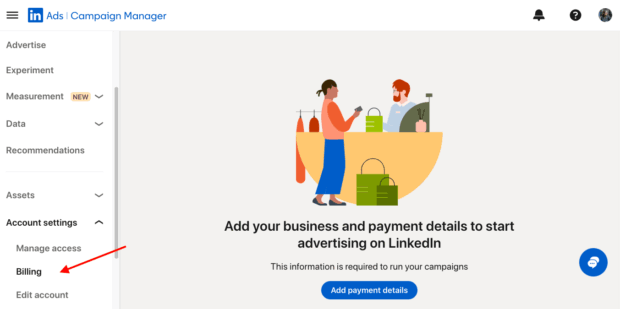
Google Search campaigns capture high-intent buyers researching specific solutions. LinkedIn sponsored content enables direct targeting by job title, industry, company size, and even named accounts. Display and remarketing campaigns reinforce awareness across the buying journey.
The advantage of digital advertising is its precision in targeting. Budget allocation should prioritise channels that generate the highest rate of sales-qualified leads, rather than simply the lowest cost per click.
Continuous testing of creative, messaging, and audience targeting ensures advertising spend contributes directly to pipeline growth.
Build Referral Programmes with Social Proof
Referrals consistently outperform other B2B lead generation channels in conversion rate and retention. Prospects introduced through trusted networks close faster and require less convincing.
Structured referral programmes should include clear incentives, simple submission processes, and automated tracking. Supporting assets such as case studies, testimonials, and verified reviews reinforce credibility.
In US B2B markets, peer validation plays a major role in vendor selection. Strong social proof reduces perceived risk and accelerates decision cycles.
Run Remarketing Campaigns to Re-Engage Demand
Most website visitors do not convert on the first visit. Remarketing captures previously generated demand and reintroduces your offering later.
Audience segments may include visitors who viewed pricing pages, form abandoners, previous content downloaders, demo registrants who did not attend, and closed lost opportunities.
Creative and messaging should reflect prior engagement. A visitor who viewed pricing may respond to ROI case studies. A white paper downloader may be invited to a deeper educational session.
Remarketing lowers acquisition costs by converting warm traffic that already recognises your brand. It reinforces brand recall and improves overall B2B lead generation efficiency.
Tools and Technology for B2B Lead Generation
A scalable B2B lead generation engine depends on the right technology stack. In the US market, fragmented tools lead to inconsistent data, slow response times, and missed pipeline opportunities.
Four core technology categories support modern lead generation.
B2B Data Providers and Buyer Intent Signals
Every effective B2B lead generation strategy begins with accurate data. Data platforms provide contact details, firmographic insights, and behavioural signals that indicate when accounts are actively researching solutions.
High-quality B2B data providers offer verified email addresses, direct dial numbers, company profiles, technographic information, and intent signals based on online research activity. These signals help sales and marketing prioritise accounts showing active buying behaviour rather than relying on static lists.
When selecting a data provider, look for:
- Verified contact data with regular refresh cycles
- Real-time or near-real-time intent indicators
- Technographic intelligence for targeting compatibility
- Organisational mapping to identify decision makers
- Data enrichment and account matching capabilities
Layering intent data on top of ideal customer profile filters significantly increases outreach efficiency. Instead of prospecting broadly, teams focus on accounts demonstrating active demand.
CRM Systems and Lead Scoring
Your customer relationship management platform serves as the system of record for all B2B lead-generation activities. It stores contact details, tracks engagement history, and manages opportunities from first touch through closed revenue.
Core CRM capabilities should include automated lead capture from web forms and campaigns, behaviour-based scoring models, routing rules that assign qualified leads to the appropriate sales representative, and reporting dashboards that provide pipeline visibility.
Lead scoring models are central to qualification. Assign weighted values to actions such as demo requests, pricing page visits, content downloads, and role alignment. Once leads reach predefined thresholds, automated workflows route them to sales.
A structured CRM framework ensures consistent handoffs and protects pipeline integrity.
Sales Engagement Platforms and Outreach Sequences
Sales engagement platforms automate multichannel outreach across email, phone, and professional networks. These systems ensure consistent cadence execution without manual tracking.
Key functionality typically includes automated sequence management, scalable personalisation through dynamic fields, engagement analytics, A B testing, automated removal when prospects respond, and integrated calendar booking.
When integrated with CRM and data systems, sales engagement tools increase response rates and reduce administrative burden. Reps spend more time in conversations and less time managing spreadsheets.
Marketing Automation and Content Systems
Marketing automation platforms orchestrate campaigns, nurture workflows, and behavioural tracking at scale. They connect content consumption to qualification scoring and sales routing.
Capabilities often include automated email campaigns, behaviour-triggered drip sequences, landing page and form builders, progressive profiling, and campaign performance analytics.
Short forms increase conversion rates but limit data depth. Many modern systems address this by enriching minimal submissions with external data sources, balancing conversion volume with actionable intelligence.
Integrated advertising capabilities further extend reach. Cross-channel campaigns across search, display, and professional networks enable targeting based on firmographics, job title, industry, and behavioural attributes. When aligned with ICP criteria, paid channels accelerate pipeline growth rather than simply generating traffic.
A well-integrated technology stack transforms B2B lead generation from manual execution into a repeatable revenue system.
Best Practices for Converting B2B Leads
Generating leads is only half of B2B lead generation. Conversion determines revenue impact.
Personalise Outreach Across Channels
US buyers expect relevance. Generic outreach lowers response rates and damages brand credibility.
Personalisation should operate at three levels.
At the company level, reference industry trends, competitive pressures, or recent milestones.
At the role level, address function-specific challenges and measurable outcomes.
At the individual level, incorporate engagement history, shared connections, or recent content interaction.
When powered by accurate data and behavioural insight, personalisation increases reply rates and meeting conversion without requiring manual research for every prospect.
Time Follow-Ups by Signal and Stage
Timing influences conversion rates as much as messaging. High-intent actions require immediate response.
Demo requests and pricing enquiries should trigger rapid follow-up.
Content downloads should be addressed within twenty-four hours while interest remains strong. Spikes in intent data signal active research windows.
Outreach timing should also reflect the recipient’s time zone and working hours.
Adjust cadence spacing based on engagement. Highly responsive leads can move through shorter touch cycles. Lower engagement accounts require spaced, value-driven communication.
Speed and relevance at moments of peak intent significantly increase sales pipeline conversion.
B2B Lead Generation FAQs
What is the difference between MQLs and SQLs?
Marketing qualified leads are early-stage prospects who have shown interest through engagement such as content downloads or event participation, but are not yet ready for direct sales conversations. Sales qualified leads have demonstrated clear buying intent and meet predefined qualification criteria, making them ready for structured sales outreach.
How long does it take to see results from B2B lead generation?
Most US companies begin to see measurable lead flow within 30 to 60 days of implementing a structured B2B lead generation strategy. Pipeline maturity typically takes 90 to 120 days as nurture sequences convert marketing-qualified leads into sales opportunities.
What is the best channel for B2B lead generation?
The best channel depends on your ideal customer profile and buyer behaviour. However, combining search engine optimisation-driven content, intent data targeting, and structured sales engagement outreach consistently produces high quality pipeline in competitive US markets.
How much should companies budget for B2B lead generation?
Many B2B organisations allocate between 5 and 15% of revenue toward marketing and sales initiatives. Lead generation typically represents 30 to 50% of that investment, depending on growth stage, industry competitiveness, and revenue targets.
How do you measure B2B lead generation success?
Effective B2B lead generation programmes track metrics including lead volume, MQL-to-SQL conversion rate, cost per lead, pipeline velocity, opportunity win rate, and revenue attribution. These indicators provide a full view of lead quality and pipeline performance.
Build a Predictable B2B Lead Generation Engine
Modern B2B lead generation requires more than activity. It requires alignment between sales and marketing, a clearly defined ideal customer profile, disciplined qualification systems, and a technology stack built for scalability.
When executed correctly, B2B lead generation creates a predictable pipeline, improves revenue velocity, and reduces acquisition costs.
If you are ready to build a structured, performance-driven B2B lead generation programme tailored to the US market, book a meeting with Konsyg.
Share This Post
Recent Posts
What We Offer
Get Your Quote