

B2B lead generation is the process of identifying and attracting potential customers within the business-to-business market. It combines outbound and inbound approaches to reach the right companies, start meaningful conversations, and qualify prospects based on intent, budget, and fit.
Effective B2B lead generation starts with clear sales goals and well-defined ideal customer profiles. From there, teams focus on building awareness, capturing prospect data, and guiding leads through consistent engagement and follow-up.
This often includes a mix of targeted outreach, content designed for specific buying stages, and structured lead qualification.
High-performing strategies rely on conversion-focused landing pages, relevant content assets, and clear call-to-actions that move prospects closer to a sales conversation.
Many California-based sales teams also improve results by integrating tools such as live chat, CRM systems, and outbound sales workflows to ensure leads are tracked, nurtured, and handed off efficiently.
Introduction
B2B lead generation is a core part of customer acquisition for companies selling products or services to other businesses. It influences how effectively sales teams build a pipeline, qualify opportunities, and drive long-term revenue growth.
In California, successful lead generation goes beyond capturing contact details. It involves demand generation, lead qualification, and close alignment between marketing and sales teams. Companies that rely on a mix of outbound sales, inbound marketing, and data-driven targeting tend to generate higher-quality leads and more predictable results.
This guide explores modern B2B lead generation strategies, the role of lead nurturing, and how sales teams use the right lead generation tools to move prospects from awareness to conversion.
Before diving into execution, it is important to understand what a lead is and how leads are categorised throughout the sales funnel.
What Is a Lead
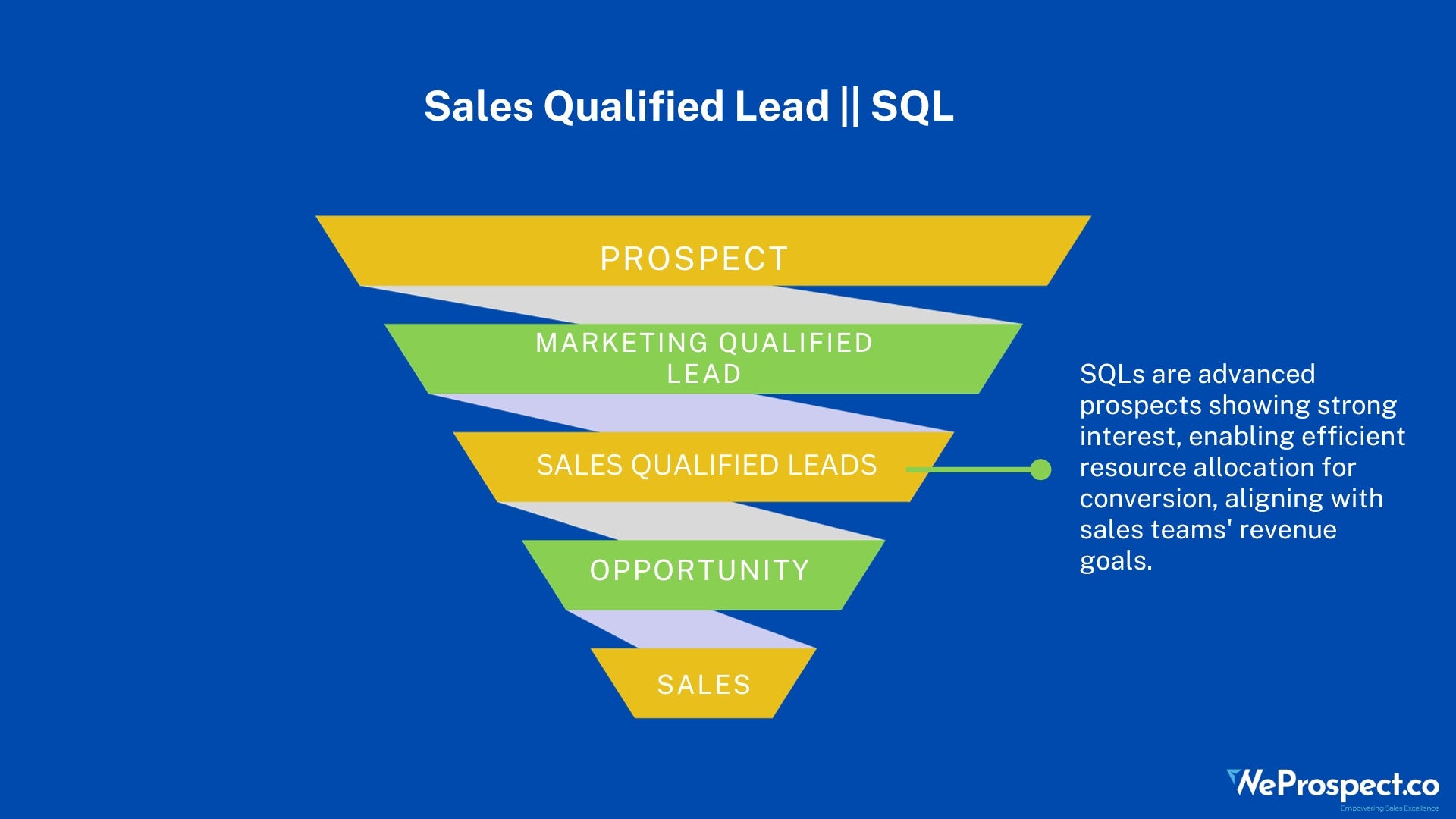
A B2B lead is a potential customer who has shown interest in a company’s product or service. Leads vary in quality and intent, which is why most organisations apply lead scoring and lead qualification frameworks to prioritise outreach.
Leads are typically grouped based on where they sit in the sales funnel and how close they are to becoming customers.
Top of the Funnel (ToFu)
At this stage, companies focus on brand awareness and early engagement. Leads are researching problems and exploring possible solutions. Common lead generation channels include blog content, educational resources, and organic search traffic. The objective is to attract attention rather than push a sale.
Marketing Qualified Leads (MQLs)
Marketing qualified leads (MQLs) are prospects who have interacted with marketing assets such as landing pages, gated content, or email campaigns. They show buying signals but are not yet ready for direct sales outreach.
Middle of the Funnel (MoFu)
The middle of the funnel is where lead nurturing becomes critical. Prospects compare vendors, assess value, and look for proof. Case studies, webinars, white papers, and product-focused content help move leads closer to a sales conversation.
Product Qualified Leads (PQLs)
Product qualified leads (PQLs) are users who have actively engaged with a product through a free trial or limited access. Their usage data signals high purchase intent, making them strong candidates for sales qualification.
Service Qualified Leads
Service-qualified leads emerge from interactions with customer success or support teams. Interest in upgrades or additional services is identified and passed to sales for follow-up.
Bottom of the Funnel (BoFu)
At the bottom of the funnel, leads are evaluating pricing, timelines, and implementation details. Sales teams focus on addressing objections and guiding prospects toward a final decision.
Sales Qualified Leads (SQLs)
Sales qualified leads (SQLs) demonstrate clear readiness to buy. This often includes demo requests, pricing inquiries, or formal evaluations. At this stage, B2B sales teams work to convert qualified opportunities into paying customers.
What Is B2B Lead Generation
B2B lead generation refers to the process of identifying and attracting potential business customers for a product or service. It involves coordinated efforts between sales and marketing teams to reach target accounts, engage decision-makers, and guide prospects into the sales pipeline.
Rather than focusing solely on volume, effective B2B lead generation prioritises relevance and intent. The goal is to connect with companies most likely to benefit from the offering and guide them through a structured lead qualification process.
Core elements of B2B lead generation include identifying target companies that match the ideal customer profile, attracting prospects through outbound and inbound campaigns, engaging the right stakeholders within each organisation, and qualifying leads based on fit, interest, and readiness to buy.
How Does B2B Lead Generation Work
The lead generation process begins with a clear understanding of the target market. Sales teams must define the industries, company sizes, and buyer roles they want to reach before launching any campaigns.
From there, businesses use a mix of outbound sales, inbound marketing, and account-based tactics to engage prospects. This can include targeted outreach, content-driven campaigns, and value-based offers designed to capture contact information such as email addresses or phone numbers. These details are then used for follow-up through email marketing, sales calls, or ongoing lead nurturing.
Companies can manage B2B lead generation internally or partner with a specialised lead generation agency. While handling it in-house may reduce short-term costs, outsourcing to an experienced partner often delivers higher-quality leads, faster execution, and more consistent results.
External teams bring proven processes, market insight, and the ability to scale outreach efficiently, allowing internal sales teams to focus on converting qualified opportunities into customers.
Why Do You Need a Lead Generation Process
A structured lead generation process helps businesses consistently reach the right buyers at the right time. It brings sales teams closer to their ideal customers by focusing effort on prospects who are more likely to need and purchase a product or service.
While companies can still close deals without a formal process, relying on ad hoc outreach makes results unpredictable. With a defined B2B lead generation process, businesses increase their chances of engaging qualified prospects faster and converting them more efficiently.
Beyond speed and consistency, effective lead generation supports long-term growth. It enables stronger customer relationships through better data, clearer insights into buying behaviour, and more relevant follow-ups. It also allows teams to refine their customer acquisition strategy based on real performance data rather than assumptions. Over time, this leads to improved return on investment, shorter sales cycles, and higher conversion rates across the pipeline.
The Mechanics of B2B Lead Generation
Once the fundamentals of B2B lead generation are in place, the next step is understanding how the process works in practice. Each component plays a role in capturing interest, collecting data, and guiding prospects toward a sales conversation.
Landing Pages
A landing page is a focused web page designed for a specific campaign or offer. Unlike standard website pages, it serves a single purpose: conversion. In B2B lead generation, landing pages are commonly used to capture prospect information after a visitor clicks on an ad, email, or outbound link.
Lead-focused landing pages typically include a clear value proposition and a form-based call to action to collect essential details, such as names and email addresses. In contrast, click-through landing pages are more common in e-commerce and are designed to guide visitors to the next step rather than to capture data directly.
Lead Capture Forms
Lead-capture forms are central to any lead-generation funnel. They allow businesses to collect prospect information that can later be used for lead nurturing, personalisation, and sales outreach.
Because buyers are cautious about sharing personal data, high-performing forms are optimised to reduce friction. This includes reassuring visitors about data privacy, limiting form fields to only what is necessary, and ensuring the form layout is simple and easy to complete.
Offers
An offer is the value exchange that motivates prospects to share their information. This could be an educational resource, an assessment, a trial, or another relevant asset. In B2B marketing, offers play a critical role in attracting qualified leads and setting expectations early in the buying journey.
The stronger and more relevant the offer, the higher the likelihood of capturing leads that align with the target buyer profile.
Call-to-Actions
Call-to-actions (CTAs) guide prospects toward the next step in the lead generation process. Whether presented as a button, link, or short message, an effective CTA clearly communicates what the prospect will receive and why it matters.
If a CTA fails to capture attention or communicate value, even well-designed campaigns will underperform. Clear, action-driven CTAs help ensure traffic translates into measurable lead-generation results.

How Do You Qualify Someone as a Lead
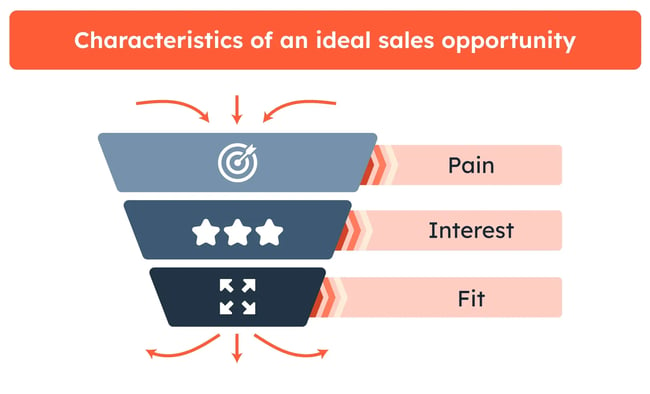
Lead qualification is a critical step in the B2B sales process. It helps sales teams focus their time on prospects who are both a strong fit and genuinely interested in solving a problem your product or service addresses. Without a clear qualification framework, teams risk spending effort on conversations that are unlikely to convert.
To qualify a B2B lead, sales and marketing teams typically assess several core factors that indicate readiness and fit.
The key components used to evaluate lead quality include the customer’s need, whether the solution is relevant to that need, the available budget, the expected timeline, and the level of influence the prospect has within the buying process. Together, these criteria help determine whether a prospect should move forward in the sales funnel or remain in a nurturing stage.
Failing to qualify leads properly creates inefficiencies across the pipeline and directly impacts revenue.
“When sales teams skip proper lead qualification, they lose more than time. They lose focus, momentum, and deals that could have closed with the right prioritisation.”
: Mittra Munis, Marketing Director, Konsyg.
This structured approach to lead qualification is especially important for California-based sales teams operating in competitive markets, where decision cycles are shorter and buyer expectations are higher.
Lead Generation Methods
In a competitive Californian B2B market, identifying the right prospects and guiding them toward a buying decision is essential. Lead generation methods provide a structured way to attract, engage, and convert potential customers into qualified sales opportunities.
At a high level, B2B lead generation methods fall into two main categories: inbound and outbound. While both play a role, they serve different purposes within the sales process.
Inbound vs Outbound Lead Generation
Inbound lead generation focuses on attracting prospects who are actively searching for information or solutions. Outbound lead generation, on the other hand, involves proactively reaching out to target accounts and decision-makers based on defined criteria.
Inbound strategies are effective for building awareness and capturing demand over time. Outbound strategies are better suited for targeting specific industries, roles, or accounts and accelerating pipeline creation. Most high-performing sales teams in California use both, with outbound offering greater control and predictability.
Outbound Lead Generation Strategies
Outbound lead generation is designed to reach prospects directly rather than waiting for them to discover your brand. This approach is especially effective when targeting defined buyer personas or enterprise-level accounts.
Display advertising allows businesses to target prospects based on demographics, firmographics, or online behaviour. Ads can be placed on industry publications or websites where decision-makers spend time, and retargeting ensures continued visibility after initial engagement.
Content syndication expands reach by distributing thought leadership, white papers, and reports through third-party platforms. This helps engage prospects who may not yet be visiting your website but are consuming relevant industry content elsewhere.
Direct outreach, including email and personalised messaging, remains one of the most effective outbound channels. In Calfornia, targeted, relevant outreach often outperforms generic campaigns, particularly when the messaging aligns with a prospect’s role and challenges.
Event marketing, both virtual and in-person, remains a valuable outbound tactic. Events create opportunities to engage prospects directly, answer questions in real time, and build trust through conversation rather than promotion.
Inbound Lead Generation Strategies
Inbound lead generation strategies focus on attracting prospects into your funnel through helpful, relevant experiences.
Social media marketing supports inbound efforts by distributing content and driving traffic to key pages. Platforms such as LinkedIn play a central role in B2B engagement, enabling prospects to take action through links, forms, and calls to action.
Content marketing and SEO form the foundation of inbound lead generation. Educational blogs, guides, and resources help attract prospects searching for solutions and position the brand as a credible authority over time.
Email marketing remains one of the most effective inbound channels for nurturing leads. Automated workflows and segmentation allow sales and marketing teams to deliver relevant messages at the right stage of the buying journey.
Website optimisation is where inbound efforts convert into results. Clear messaging, strong calls to action, and intuitive user experiences help turn visitors into leads and leads into opportunities.
How Outbound Lead Generation Can Boost Your Sales Process
For many California-based B2B companies, outbound lead generation plays a critical role in driving consistent revenue. While inbound efforts support long-term visibility, outbound strategies provide precision and speed.
Outbound campaigns enable sales teams to build richer lead profiles by collecting detailed information early in the process. This data supports better qualification and more informed conversations.
They also allow teams to deliver relevant content directly to decision-makers, rather than relying on passive discovery. When messaging aligns with a prospect’s specific needs, engagement and response rates improve.
Most importantly, outbound efforts help streamline the sales funnel. Targeted, one-to-one outreach shortens sales cycles by focusing on accounts most likely to convert, making outbound a critical component of modern B2B lead generation strategies.

How to Build an Effective Action Plan for Lead Generation
An effective B2B lead generation action plan starts with clarity. Without defined goals, target accounts, and execution steps, even well-funded campaigns struggle to deliver consistent results.
The first step is to define clear goals. This includes outlining both the quantity and quality of leads required to support revenue targets. Goals should be tied directly to business outcomes rather than vanity metrics such as traffic or form fills.
Next, refine the ideal customer profile. This involves identifying the industries, company sizes, and revenue ranges that best align with your offering, and building buyer personas that reflect the decision-makers and influencers involved in the purchasing process.
With profiles in place, teams must drive awareness and interest. Awareness introduces the brand to target buyers, while interest is built by delivering relevant messaging that speaks to specific challenges. In California, this is often achieved through a mix of outbound outreach, targeted content, and account-based campaigns.
Once prospects engage, the focus shifts to collecting and enriching prospect data. This includes contact information, firmographic details, and engagement signals that help sales teams understand intent and prioritise follow-up.
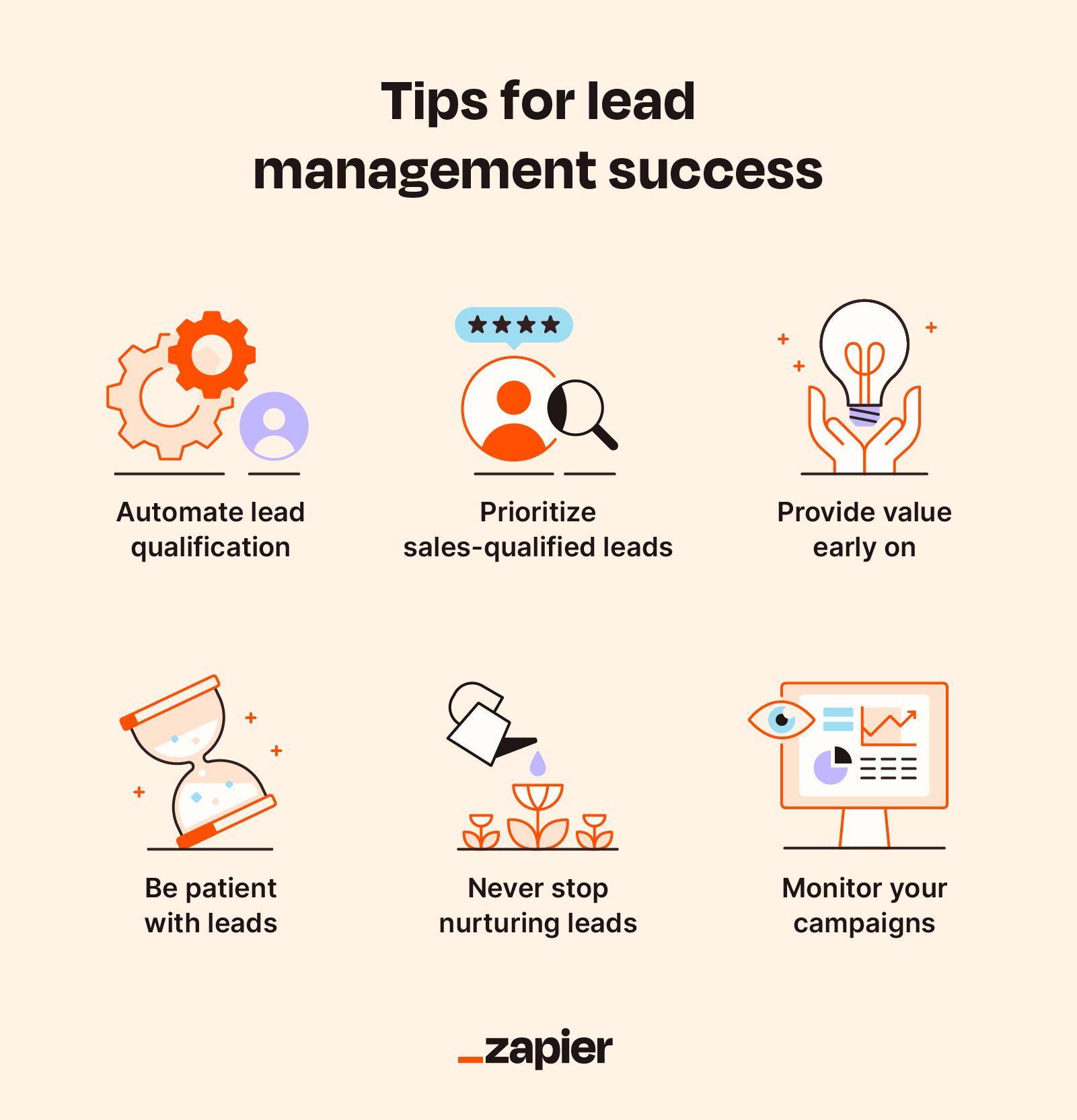
Not every lead converts immediately, which makes lead nurturing essential. Ongoing engagement through tailored content and timely outreach ensures that qualified prospects continue moving through the sales funnel at the right pace.
Finally, an effective action plan requires ongoing testing and optimisation. Monitoring performance across channels allows teams to adjust messaging, targeting, and sequencing to improve conversion rates over time.
The B2B Lead Management Process
Building a pipeline does not stop at lead capture. A structured B2B lead management process ensures that leads are evaluated, prioritised, and handed off efficiently between marketing and sales.
The process begins with revisiting the ideal customer profile (ICP). A well-defined ICP keeps teams focused on high-quality opportunities, improves win rates, and supports longer customer lifetime value. Regular reviews ensure the ICP remains aligned with current goals and market conditions.
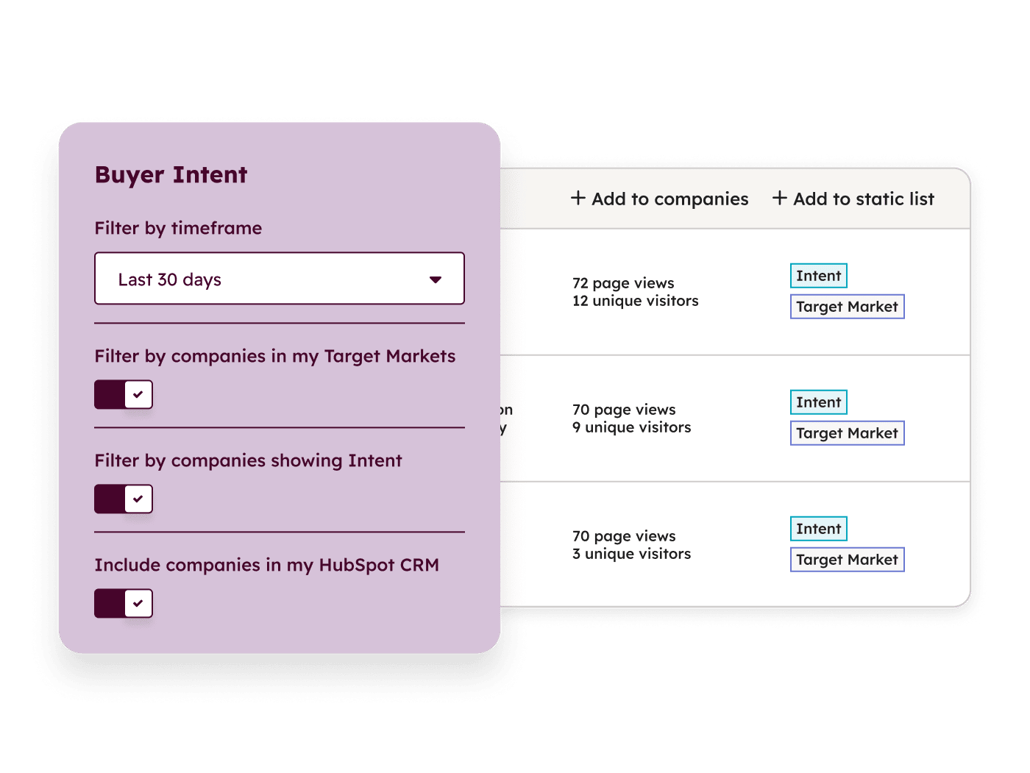
Next is recognising intent and engagement signals. Prospects consistently leave indicators through content interaction, responses, and engagement patterns. Identifying and tracking these signals allows teams to assess readiness and align intent with overall fit.
Once intent data is captured, teams should refine the lead scoring model. Effective lead scoring combines automation with multiple data sources to evaluate both behavioural and firmographic signals. Scoring thresholds should be based on historical performance, comparing closed deals against prospect data to identify meaningful patterns.
With scoring in place, lead-nurturing content must be mapped to each stage of the buying journey. High-performing campaigns deliver the right content at the right time, supporting prospects as they move from awareness to evaluation and decision.
The final step is establishing a clear lead handoff process. Qualified leads should transition smoothly from marketing to sales in accordance with agreed criteria. This requires shared definitions, clear ownership, response time expectations, and a defined process for returning leads to marketing when they are not sales-ready.
When executed correctly, this structured approach improves collaboration, reduces friction, and ensures that B2B lead-generation efforts translate into real revenue.

How to Build an Effective Action Plan for Lead Generation
An effective B2B lead generation action plan starts with clarity. Without defined goals, target accounts, and execution steps, even well-funded campaigns struggle to deliver consistent results.
The first step is to define clear goals. This includes outlining both the quantity and quality of leads required to support revenue targets. Goals should be tied directly to business outcomes rather than vanity metrics such as traffic or form fills.
Next, refine the ideal customer profile. This involves identifying the industries, company sizes, and revenue ranges that best align with your offering, and building buyer personas that reflect the decision-makers and influencers involved in the purchasing process.
With profiles in place, teams must drive awareness and interest. Awareness introduces the brand to target buyers, while interest is built by delivering relevant messaging that speaks to specific challenges. In California, this is often achieved through a mix of outbound outreach, targeted content, and account-based campaigns.
Once prospects engage, the focus shifts to collecting and enriching prospect data. This includes contact information, firmographic details, and engagement signals that help sales teams understand intent and prioritise follow-up.
Not every lead converts immediately, which makes lead nurturing essential. Ongoing engagement through tailored content and timely outreach ensures that qualified prospects continue moving through the sales funnel at the right pace.
Finally, an effective action plan requires ongoing testing and optimisation. Monitoring performance across channels allows teams to adjust messaging, targeting, and sequencing to improve conversion rates over time.
The B2B Lead Management Process
Building a pipeline does not stop at lead capture. A structured B2B lead management process ensures that leads are evaluated, prioritised, and handed off efficiently between marketing and sales.
The process begins with revisiting the ideal customer profile (ICP). A well-defined ICP keeps teams focused on high-quality opportunities, improves win rates, and supports longer customer lifetime value. Regular reviews ensure the ICP remains aligned with current goals and market conditions.
Next is recognising intent and engagement signals. Prospects consistently leave indicators through content interaction, responses, and engagement patterns. Identifying and tracking these signals allows teams to assess readiness and align intent with overall fit.
Once intent data is captured, teams should refine the lead scoring model. Effective lead scoring combines automation with multiple data sources to evaluate both behavioural and firmographic signals. Scoring thresholds should be based on historical performance, comparing closed deals against prospect data to identify meaningful patterns.
With scoring in place, lead-nurturing content must be mapped to each stage of the buying journey. High-performing campaigns deliver the right content at the right time, supporting prospects as they move from awareness to evaluation and decision.
The final step is establishing a clear lead handoff process. Qualified leads should transition smoothly from marketing to sales in accordance with agreed criteria. This requires shared definitions, clear ownership, response time expectations, and a defined process for returning leads to marketing when they are not sales-ready.
When executed correctly, this structured approach improves collaboration, reduces friction, and ensures that B2B lead-generation efforts translate into real revenue.
Best Practices for B2B Lead Generation
Generating high-quality B2B leads is essential for companies that want predictable growth. However, with an increasing number of channels, tools, and tactics available, many businesses struggle to build a lead generation system that consistently delivers results.
Following proven B2B lead generation best practices helps ensure that marketing and sales efforts stay focused, measurable, and aligned with business goals.
One of the most important steps is to define your target audience clearly. California-based studies consistently show that buyers respond better to personalised outreach. When businesses understand who they are targeting, including industry, company size, and decision-maker role, campaigns become more relevant and conversion rates improve.
Another effective practice is integrating live chat or real-time engagement tools into your website. Many buyers expect quick answers when evaluating solutions. Live chat allows businesses to capture intent at the moment of interest and address questions before prospects leave the site.
Maintaining a well-managed CRM system is also critical. High-performing B2B organisations rely on CRM platforms to track interactions, manage follow-ups, and analyse lead behaviour. At Konsyg, CRM data is central to how outbound campaigns are structured, ensuring sales teams engage leads based on priority and intent rather than guesswork.
Including a visible contact number on landing pages and websites is a simple but often overlooked trust signal. For California buyers, easy access to a real point of contact increases credibility and reduces hesitation.
Testimonials and media assets such as short videos, client quotes, or case studies further strengthen trust. Prospects are more likely to engage when they see proof of results from companies similar to their own.
Interactive tactics such as contests, affiliate programs, or referral incentives can also support lead generation efforts. These approaches encourage participation and help expand reach beyond existing audiences.
Offering free resources, including newsletters, guides, or eBooks, remains a reliable way to capture contact information. When the value is clear and relevant, prospects are more willing to share their details.
Encouraging online reviews is another effective practice. Many California buyers research vendors extensively before engaging with sales. Positive reviews help validate credibility and influence purchase decisions.
Finally, staying active in online communities and discussion platforms allows businesses to engage prospects organically. Answering relevant questions and sharing insights builds authority and drives indirect lead generation.
Top B2B Lead Generation Tools for 2026
A strong B2B lead generation strategy is supported by the right tools. While tools alone do not generate leads, they enable scale, consistency, and performance tracking.
Email marketing tools help automate outreach, personalise messaging, and manage follow-ups. These platforms support segmentation and analytics, making it easier to refine campaigns over time.
Phone and VoIP systems continue to play a major role in outbound sales. Direct conversations allow sales teams to qualify leads faster and address objections in real time, particularly when integrated with CRM systems.
Social media management tools help businesses schedule posts, monitor engagement, and analyse performance across platforms. Social channels remain a key research source for many B2B buyers.
SEO and analytics tools support inbound lead generation by helping teams research keywords, monitor performance, and optimise landing pages. These tools also provide insights into traffic behaviour and conversion paths.
Paid advertising tools support account-based campaigns, gated content, and longer sales cycles. When combined with outbound follow-up, paid channels reinforce visibility and recall.
Lead management and nurturing tools help ensure prospects are consistently engaged. At Konsyg, structured lead management processes help sales teams focus on high-intent leads while maintaining long-term nurturing for others.
Lead Generation Metrics
Tracking the right lead generation metrics is essential for understanding performance and improving outcomes.
Performance metrics evaluate how campaigns are functioning. Common indicators include click-through rates, conversion rates, time-to-conversion, and return on investment.
Cost metrics measure efficiency. These include cost per click, cost per lead, and overall customer acquisition cost.
Channel metrics assess how each channel contributes to lead volume and quality. Monitoring lead generation rates by channel helps teams allocate resources more effectively.
Common Lead Generation Mistakes and How to Avoid Them
One common mistake in B2B lead generation is creating content that fails to connect with the target audience. Content must align with buyer intent and the purchasing journey stage.
Another frequent issue is failing to segment email lists properly. Without segmentation, messaging becomes generic and engagement declines.
Some businesses also rush prospects through the funnel without adequate nurturing. Skipping relationship-building often results in lower conversion rates and stalled deals.
A lack of testing is another major issue. Campaigns should be reviewed regularly, with offers, messaging, and landing pages refined based on performance data. Konsyg’s outbound programs emphasise continuous testing to improve lead quality and sales outcomes.
How to Calculate ROI on Your Lead Generation Program
Measuring return on investment helps businesses understand whether their lead generation efforts are delivering value.
The process begins by tracking all lead-generation costs, including marketing spend, sales resources, and technology investments, such as CRM platforms.
Next, teams calculate revenue generated from converted leads by tracking how prospects move through the sales pipeline and close.
ROI is then calculated using the standard formula:
ROI = (Revenue – Cost) / Cost × 100%
Consistent ROI tracking helps identify successful campaigns, refine strategies, and allocate budget effectively.
Conclusion
The success of any B2B lead generation strategy depends on both the quantity and quality of leads generated. Despite access to more tools and data than ever before, many businesses still struggle to convert interest into revenue.
This guide provides a detailed framework for building, managing, and optimising lead generation programs. By applying these practices and focusing on execution, California-based companies can generate higher-quality leads, shorten sales cycles, and improve overall performance.
When supported by a structured outbound approach and strong sales alignment, as seen in Konsyg’s execution model, lead generation becomes a reliable driver of growth rather than an ongoing challenge.
If you are looking for a B2B lead generation expert in California get in touch with Konsyg. Schedule a meeting here.
Share This Post
Recent Posts
What We Offer
Get Your Quote