

The sales world never seems to stop debating B2B lead generation. Not because it is trendy, but because it remains one of the hardest pieces of the sales puzzle.
Many businesses can build strong sales pipelines once prospects are identified, yet the real challenge often begins much earlier, finding and qualifying the right leads. Even companies with sophisticated outbound sales teams and detailed playbooks still face uncertainty when it comes to generating consistent opportunities.

While there may never be a universal formula for lead generation, proven methods continue to deliver results in today’s market. In this guide, we explore 15 B2B lead generation strategies that sales teams can implement immediately to build healthier pipelines and accelerate growth.
B2B lead generation will never be effortless, but with the right approach, it can become far more predictable.
What is B2B Lead Generation?
B2B lead generation is the process of identifying the right businesses or decision-makers who can benefit from your product or service and guiding them toward a purchase. It is the starting point of every sales pipeline, where interest is created, opportunities are identified, and potential clients begin their journey into the funnel.
For sales and marketing teams, lead generation goes far beyond collecting names. It is about attracting attention from high-quality prospects and guiding them toward meaningful engagement.
Because long-term growth depends on building interest from the right sources, effective lead generation is one of the most critical foundations of B2B sales.
While it is often associated with traditional advertising, lead generation today involves a mix of both outbound and inbound methods. Companies frequently combine approaches such as:
- Social selling and LinkedIn outreach
- Email campaigns and personalised sequences
- Content marketing and thought leadership
- Industry events and webinars
- Pay-per-click campaigns
- B2B cold calling and appointment setting
- Website and landing page optimisation
By blending these channels, businesses can create a sustainable flow of qualified leads and maintain a stronger, more predictable sales pipeline.
Types of B2B Leads
B2B leads are organisations, decision-makers, or professionals who have the potential to purchase business-to-business products or services.
Unlike B2C sales, where leads are always individual consumers, B2B selling often involves companies as the buyer. Still, in some cases, independent consultants, startups, or small businesses operating as sole proprietors can also qualify as B2B buyers.
Finding B2B leads is not necessarily more difficult than sourcing B2C prospects; however, qualifying and converting them presents a different challenge altogether.
Whereas B2C leads typically represent a single purchasing decision, B2B deals often involve multiple stakeholders, longer sales cycles, and complex approval processes.
Traditional lead generation methods can sometimes result in impersonal contacts, such as generic company inboxes. As any sales professional knows, sending emails to info@company.com rarely delivers meaningful conversations.
To build a strong pipeline, your sales team must go beyond quantity and focus on qualified B2B leads, honest people at the right organisations, with both decision-making power and genuine interest in your offering.
Effective B2B lead generation, therefore, is not just about capturing names; it’s about building relationships. It involves identifying the right prospects, establishing personal connections, and engaging them through channels such as B2B cold calling, appointment setting, and tailored outbound campaigns.

Why is B2B Lead Generation Important?
B2B lead generation is the foundation of every sales operation. Without it, there are no prospects entering the funnel, no opportunities to convert, and ultimately, no revenue to sustain the business. It is the critical first step that fuels both sales and marketing efforts, shaping how organisations grow and compete.
Beyond filling the pipeline, effective lead generation delivers valuable insights to sales development representatives (SDRs), sales teams, and marketing teams, ensuring every part of the organisation is aligned around the right opportunities. A strong lead generation strategy helps businesses to:
- Identify and target ideal buyers rather than wasting resources on unqualified leads
- Shape content and messaging to match audience pain points and priorities
- Strengthen brand awareness and visibility in competitive markets
- Establish predictable marketing and sales processes that scale
- Uncover untapped segments and expand the addressable market
- Maintain accurate and reliable contact data for outreach
- Improve conversion rates by focusing on higher-quality prospects
- Enhance the efficiency of sales cadences and outbound touchpoints
- Accelerate pipeline velocity and close deals faster
- Increase overall revenue growth through consistent opportunity flow
When approached correctly, B2B lead generation is not just about filling the top of the funnel; it is about creating a structured, repeatable, and scalable process that directly drives revenue.
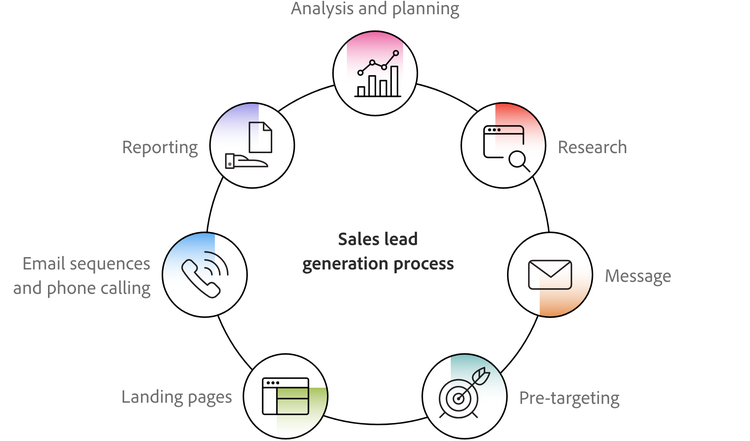
The B2B Lead Generation Process
The process of generating B2B leads typically begins with marketing and sales channels, which are the ways your ideal prospects discover you and how you reach out to them. These channels generally fall into two categories:
- Inbound marketing: Leads that find you through organic interest, such as search engines, content marketing, or social media. These prospects often arrive with higher intent, shorter sales cycles, and stronger conversion potential.
- Outbound marketing: Leads that you proactively engage through channels like B2B cold calling, personalised email outreach, and LinkedIn prospecting. These leads usually require more nurturing and persistence, but they allow you to directly target high-value accounts.
Because there is no universal playbook, the B2B lead generation process can feel complex. Still, breaking it into clear steps helps teams move from uncertainty to predictability.
Step 1: Identify Your Ideal Buyer
Successful lead generation starts with clarity. Before reaching out, you need a precise picture of the type of buyer you want to engage. This is where buyer personas come in, detailed profiles of the organisations and decision-makers most likely to benefit from your offering.
When creating buyer personas, outline details such as:
- Company size, location, and industry focus
- Decision-making authority and job titles
- Pain points or barriers they face in their role
- Goals and success criteria
- Triggers that influence their buying process
For businesses targeting multiple industries, building more than one persona is essential. The clearer your personas, the more relevant and effective your campaigns will be.
Step 2: Choose the Right Strategy
With your buyer personas defined, the next step is selecting the strategies that connect you to those targets. There is no single “best” approach; instead, you’ll design a mix of inbound and outbound tactics that best fit your market.
Your strategy could include:
- SEO and content marketing to attract inbound leads
- Paid advertising for precise audience targeting
- Cold calling and B2B appointment setting for direct outreach
- Webinars, events, or community-building for thought leadership
- LinkedIn campaigns and tailored email sequences for relationship-driven engagement
Sales enablement platforms and lead generation tools can further streamline prospecting, automate outreach, and sync results into your CRM. The key is to stay flexible, test, refine, and continuously align your tactics with the personas you have created.
Step 3: Qualify and Prospect
Not every lead deserves equal attention. As prospects begin to interact with your campaigns, you must determine where they are in their buyer’s journey:
- Awareness stage: Prospects recognise a problem and start exploring solutions. They may engage with blogs, guides, or thought leadership content.
- Consideration stage: Prospects have defined their problem more clearly and are evaluating options. They begin comparing providers, but are not yet ready to buy.
- Decision stage: Prospects are nearing a purchase. They request demos, review pricing, and consult internal stakeholders before making a final call.
Understanding which stage a lead is in ensures your outreach is relevant. A blog post may educate an awareness-stage lead, while a free trial or one-to-one demo is far more persuasive for a decision-stage buyer.
If your pipeline becomes crowded, implement lead scoring to prioritise. Assign values to leads based on fit and engagement, then direct your SDRs and sales teams toward the opportunities with the highest likelihood of conversion.
B2B Lead Generation Strategies
MQLs and SQLs do not appear by chance. Traditional methods, such as door-to-door outreach or generic cold calls, still exist, but modern B2B sales teams require far more precise tactics to identify and engage the right buyers. In today’s market, efficiency comes from combining proven strategies with the right prospecting tools.
Below are 15 B2B lead generation strategies designed to strengthen your pipeline and give your team a measurable edge.
- Build Content Campaigns That Outperform Competitors
Content is still one of the most powerful ways to attract inbound leads, but only if it aligns with what your prospects are actually searching for. Ranking for niche terms that nobody uses is meaningless if competitors are capturing traffic around broader, more relevant topics.
Effective content strategies go beyond blogs. White papers, case studies, webinars, and thought leadership pieces can all act as lead magnets, drawing prospects into your funnel while showcasing expertise.
The goal is not necessarily to have the most unique content, but to have the most useful and visible content. Track clicks, monitor engagement, and continually refine your approach to stay ahead of competitors.
- Run Continuous A/B Testing
No marketing campaign is perfect on the first attempt. That is why A/B testing is essential. From subject lines in email campaigns to the colour of a call-to-action button, even small adjustments can have an outsized impact on engagement and conversion rates.
The lesson is simple: test, measure, and adapt. B2B buyers may be evaluating software or services worth thousands of dollars, but they are still people influenced by user experience.
A small tweak on a landing page or outreach message could mean the difference between a lost lead and a qualified opportunity.
- Leverage Buyer Reviews and Testimonials
Trust is the foundation of B2B sales, and nothing builds trust faster than proof from existing clients. Research consistently shows that buyers value peer reviews and testimonials more than any marketing message.
In fact, a lack of reviews can be just as damaging as negative ones.
Make it a standard practice to collect feedback from long-term clients and display these testimonials prominently in your outreach and content.
When prospects see evidence of real success, it validates your credibility and encourages them to move forward in the buying journey.
- Use Surveys as Lead Generation Tools
Surveys are often viewed as a means to measure customer satisfaction, but they can also serve as powerful tools for B2B lead generation. The feedback you collect highlights friction points, such as delays in response time, that could cost you both current clients and future opportunities.
By addressing these issues, you not only improve retention but also create smoother entry points for new leads. Adding features like chatbots, automated email sequences, or expanded SDR coverage can reduce waiting times and make it easier for prospects to engage with your team.
Surveys provide you with insights that benefit both your pipeline and customer service.
- Showcase Case Studies Early and Often
Case studies are no longer just mid- or bottom-funnel tools. Today, they are one of the top content types used in B2B sales, ranking alongside newsletters and short-form videos. Why? Because B2B buyers trust real-world examples backed by data.
Each purchase decision in B2B affects not just one person but entire teams and organisations. That makes proof points critical. Highlighting successful client outcomes in the form of case studies builds credibility and reassures prospects that your solution delivers measurable results.
Integrating them into your lead generation campaigns ensures buyers see your track record from the very beginning.
- Optimise Landing Pages to Capture Leads
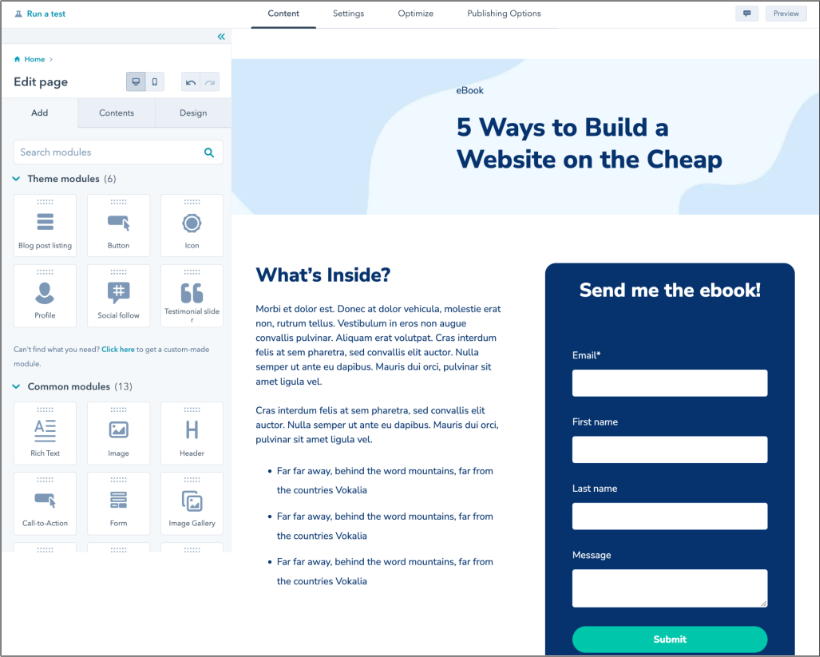
A landing page is often a prospect’s first point of interaction with your brand. If it is static and uninspiring, potential leads may bounce before engaging. Research indicates that interactive content consistently outperforms traditional content, capturing attention and increasing conversion rates.
Enhance your landing pages with bold CTAs, clear messaging, and interactive features like pop-up forms. Even a simple subscription box can turn a fleeting visit into a captured lead.
For SDR teams, these small details translate into a steady flow of qualified contacts who might otherwise have gone unnoticed.
- Personalise Content for Your Buyer Personas
Generic messaging no longer works in B2B lead generation. Personalisation, particularly when applied through account-based marketing (ABM), is now a defining strategy. By tailoring website content, outreach messages, and campaigns to specific buyer personas, businesses can significantly enhance engagement and conversion rates.
Technology makes this easier than ever. For example, you can dynamically adjust site content based on a visitor’s IP address to reflect their geographic location or industry.
Personalisation with AI takes more effort, but with more than 70 per cent of B2B marketers already using it, failing to adopt this approach means falling behind.
- Leverage Social Selling Beyond LinkedIn
Social selling has expanded far beyond traditional consumer marketing. Platforms like LinkedIn remain essential, as over half of decision-makers use LinkedIn to evaluate vendors. However, opportunities also exist across Twitter, Instagram, and even Facebook for B2B outreach.
A consistent, professional presence across these platforms helps position your brand as credible and approachable. By engaging in conversations, sharing thought leadership content, and responding directly to prospects, you build relationships that lead to qualified sales opportunities.
Social selling is not just about visibility; it is about creating meaningful touchpoints with buyers where they already spend their time.
- Invest in Video Content for Lead Generation
Video has become one of the most influential formats for generating B2B leads. After Google, YouTube is the world’s second-largest search engine, and for many industries, it is the first place potential buyers go to research solutions.
High-quality videos, whether product tutorials, case study breakdowns, or thought leadership clips, help position your brand as both credible and accessible.
Prospects are more likely to engage with content they can watch and share, especially when it simplifies complex topics.
Companies that neglect video risk falling behind competitors who showcase their expertise on platforms like YouTube and LinkedIn. Even simple, well-structured videos can make a powerful difference in capturing leads and moving them closer to a decision.

- Strengthen B2B Lead Generation with SEO
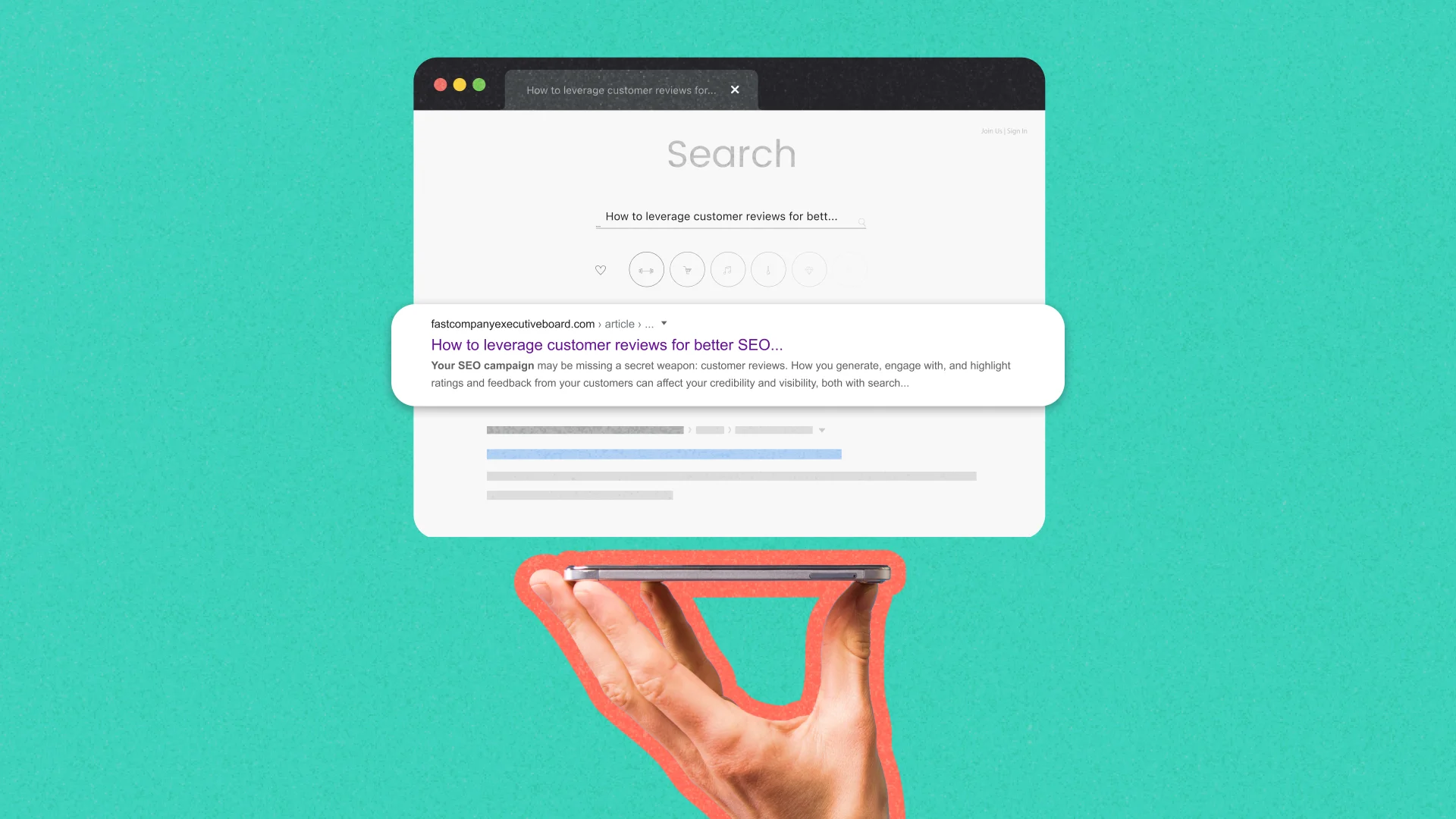
SEO is more than just blog optimisation; it applies across every piece of digital content, from website pages to press releases. With the right strategy, SEO ensures your brand appears at the top of searches your prospects are already making.
Analysing competitor pages is a useful starting point. Identify which keywords they consistently target, then refine your own approach to capture the audiences they may be missing.
Align these keywords with your buyer personas, whether small businesses, mid-market firms, or enterprise accounts, to ensure the content speaks directly to their needs.
An effective SEO strategy turns your digital presence into a long-term lead generation machine, consistently drawing qualified prospects into the pipeline.
- Turn Subscriptions into Lead Magnets
A subscription button on your website is only effective if people click it. To increase engagement, pair it with incentives that appeal to B2B buyers. Instead of offering discounts, which work better in consumer markets, consider providing value-driven lead magnets, such as free consultations, trial extensions, or exclusive insights.
Each subscription you capture is not just an email it is a potential marketing-qualified lead (MQL) that can be nurtured toward conversion.
By presenting your subscription as a gateway to value, you build trust while expanding your contact list with genuinely interested prospects.
- Optimise Every Touchpoint for Mobile
In today’s market, failing to provide a smooth mobile experience is a costly mistake. Research shows that 40 per cent of users will leave a site for a competitor after a poor mobile interaction. For companies relying on B2B lead generation, that translates into missed opportunities and weakened pipelines.
The numbers tell the story:
- 73 per cent of mobile searches trigger additional actions or conversations
- Mobile commerce accounted for nearly a quarter of online sales in recent years
- Yet only 35 per cent of businesses have fully optimised their sites for mobile
This gap presents a clear opportunity. By ensuring that websites, landing pages, emails, and even case studies are fully mobile-optimised, your business can immediately stand out from competitors who have neglected this step. A seamless mobile experience conveys professionalism, enhances engagement, and creates additional entry points for qualified leads.
- Build a Referral Engine
Referrals remain one of the most effective and underutilised strategies for B2B lead generation. Studies show that 92 per cent of buyers trust recommendations from peers, and referred customers have a 16 per cent higher lifetime value than those acquired through other methods.
Despite this, only a small fraction of sales professionals consistently ask for referrals.
When you deliver strong results and maintain solid client relationships, satisfied customers are often willing to recommend you. The key is to make the process simple: ask directly, personalise the request, and equip clients with clear material they can pass along.
Referrals not only bring in more leads, but also warmer, more qualified opportunities that shorten the sales cycle and improve overall conversion rates.
- Leverage Expert Voices in Your Marketing
Credibility is one of the strongest drivers of trust in B2B lead generation. Bringing in recognised experts, industry leaders, or well-known partners to contribute to your marketing materials can instantly elevate your brand’s authority.
Guest contributions, whether in blogs, webinars, white papers, or video interviews, signal to prospects that respected voices in the field value your company enough to associate with it.
Beyond credibility, these collaborations expand your reach. When potential buyers search for the expert, your content also appears, creating new opportunities for organic lead capture. In many ways, it is the B2B counterpart to influencer marketing.
- Dedicate Specific Times to Lead Generation
Many companies treat lead generation as an endless, daily task; however, the reality is that timing can significantly influence results. Certain days of the week or times of day tend to yield higher engagement rates, especially for outbound strategies such as cold calling or LinkedIn outreach.
For instance, mid-week often produces better connect rates than Mondays or Fridays.
By dedicating specific time blocks for active prospecting, sales teams can operate more efficiently. Utilise analytics and sales tracking tools to determine when prospects are most responsive, and then tailor SDR outreach accordingly.
This ensures that lead generation is not only consistent but also strategic, turning effort into measurable pipeline growth.
How to Do B2B Lead Generation Better Than Your Competitors
In today’s market, winning leads is not just about finding them, it is about finding them faster and more effectively than your competitors. Speed, precision, and scalability are what separate consistent performers from companies constantly struggling to fill their pipeline.
This is where Konsyg’s B2B Lead Generation model changes the game. Instead of relying on fragmented tools and disconnected outreach, Konsyg provides an end-to-end system that delivers:
- High-volume outreach powered by global SDR teams
- Data-driven targeting and segmentation to ensure quality over quantity
- Multi-channel engagement across calls, email, and LinkedIn
- Sales automation and process standardisation for efficiency
- Transparent pipeline visibility so clients see progress at every stage
Generating leads is only half the battle. To convert them into customers, your sales and marketing must work in sync. Konsyg ensures this alignment by combining outreach execution with consultative strategy, giving businesses not just more leads, but better-qualified ones.
The result is simple: while competitors are still chasing names on a list, Konsyg clients are building predictable pipelines and accelerating revenue growth. Book a call now.
Share This Post
Recent Posts
What We Offer
Get Your Quote