

In the world of account-based marketing (ABM), the sales process begins by focusing directly on your highest-value, best-fit accounts.
That means no more wasted effort chasing unqualified leads who will never drive meaningful revenue. Instead, you move immediately into the work that matters most, engaging and building stronger relationships with the accounts that truly matter. Talk about efficiency.
Pro Insight: Access Konsyg’s Strategic Account Planning Guide
With ABM, your team can filter out low-value companies early on, ensuring that Sales and Marketing are fully aligned. The result is a faster path into the crucial stages of engaging, nurturing, and converting target accounts.
At Konsyg, we work with global clients who rely on ABM to unify their outbound strategies and accelerate growth. Here is everything you need to know about building an effective account-based marketing strategy in 2025.
What is Account-Based Marketing?
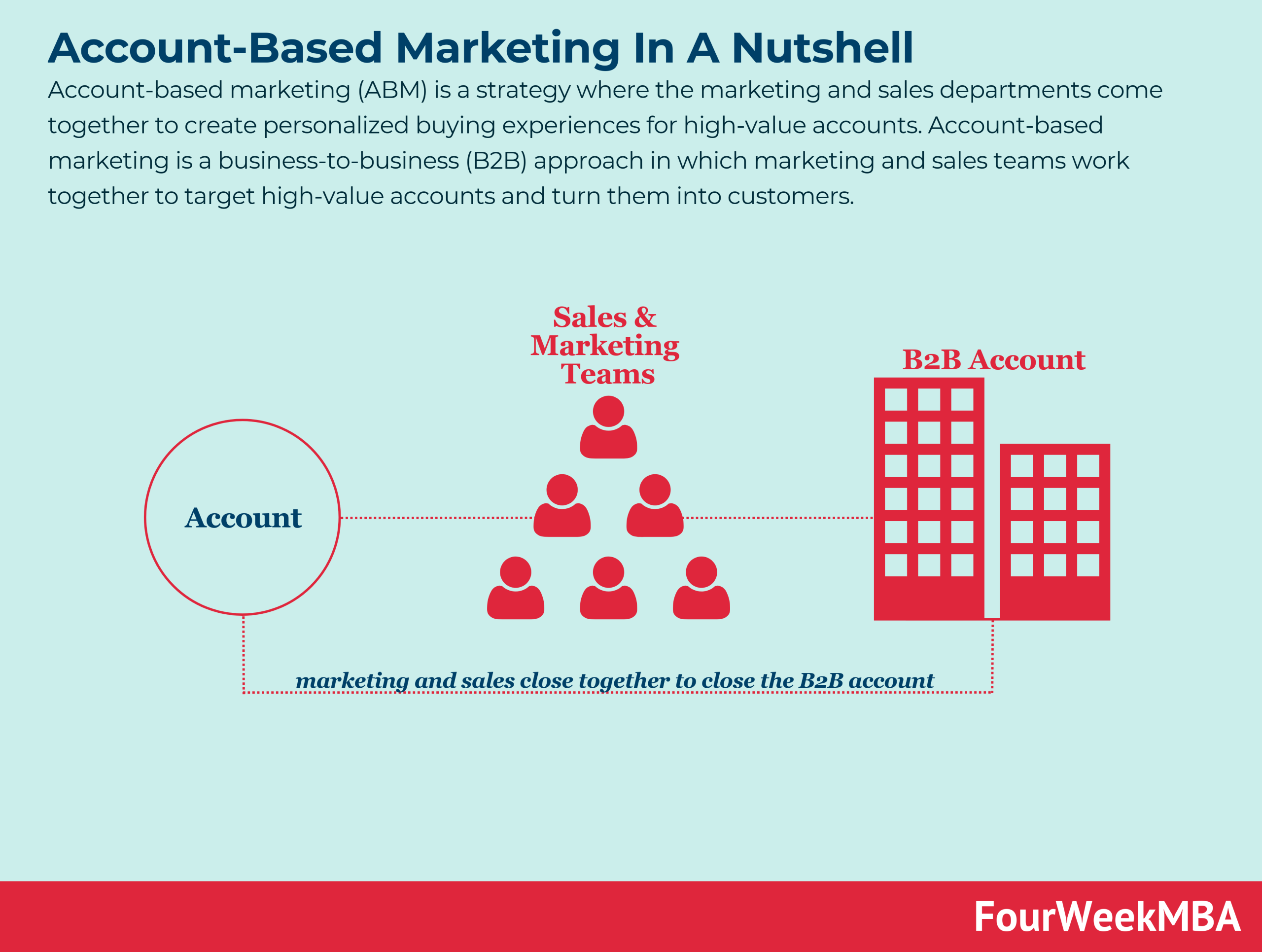
Account-based marketing (ABM) is a strategic approach that zeroes in on the highest-value accounts within a market. Instead of casting a wide net, ABM focuses on creating highly personalised buying experiences that drive more substantial customer acquisition, long-term relationships, and measurable business growth.
At Konsyg, we define ABM as targeting a set of clearly defined accounts that represent the most significant revenue opportunities for your business. These accounts are treated as individual markets, each requiring a unique and tailored engagement strategy.
Much like traditional marketing, ABM requires significant effort in personalising outreach and messaging. The difference is that every campaign is designed to speak directly to the specific needs, challenges, and goals of your top accounts, ensuring every touchpoint feels relevant and valuable.
In this blog, we will explore the benefits of account-based marketing and guide you through nine actionable steps to create an effective ABM strategy, along with the recommended tools to execute it successfully. But before diving in, it is worth taking a moment to understand how ABM connects to another vital approach: inbound marketing.
Account-Based Marketing and Inbound Marketing
Think of iconic pairings: Steve Jobs and Steve Wozniak. Serena and Venus. Coffee and mornings. Some partnerships simply elevate each other.
That is precisely the case when account-based marketing (ABM) and inbound marketing work together.
You may be asking, “How does this combination actually deliver results?”
As we have just covered, ABM is a highly focused strategy centred on targeting specific, high-value accounts.
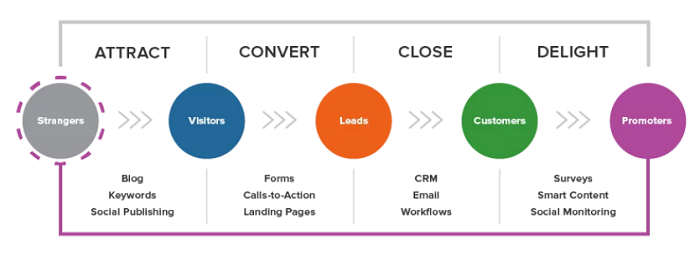
Inbound marketing, on the other hand, is the broader foundation. It is a growth methodology that attracts potential customers through valuable content, SEO, and a strong customer experience.
Unlike traditional outbound tactics that interrupt your audience, inbound draws them in naturally by providing the information they are actively searching for when they want it.
When combined, inbound lays the groundwork that makes ABM even more powerful. Together, they ensure resources are directed with precision, while engagement with high-value accounts feels natural, timely, and effective.
Do You Need Both Inbound Marketing and Account-Based Marketing?
You may be wondering, “Is it necessary to use both inbound marketing and account-based marketing?”
The short answer: yes. ABM works best when paired with other marketing strategies rather than as a standalone effort. At Konsyg, we see the strongest results when inbound and ABM complement one another.
Here are a few reasons why your company should consider using both:
- Inbound marketing attracts target accounts, while ABM accelerates the sales cycle by turning that interest into highly personalised engagement and a remarkable customer experience.
- Inbound lays the foundation for ABM, giving your business visibility and reach, while ABM ensures resources are directed toward the most valuable opportunities.
- A combined approach broadens your reach — inbound brings in a vast pool of prospects, and ABM ensures you close on the ones that matter most.
- Content becomes more versatile — materials such as case studies or whitepapers can be repurposed to fuel both your inbound campaigns and your personalised ABM outreach.
- Technology makes integration simple — platforms like HubSpot, Demandbase, or 6sense provide tools designed to run inbound and ABM strategies in sync.
In short: pairing ABM with inbound marketing ensures your business grows smarter, faster, and more sustainably.
Benefits of Account-Based Marketing
- Aligns sales and marketing.
- Increases relevance with high-value accounts.
- Creates consistent customer experiences.
- Makes ROI easier to measure.
- Shortens the sales cycle.
- Strengthens growth through account relationships.
As we have seen working with global clients at Konsyg, account-based marketing delivers a wide range of benefits that go far beyond lead generation. Here are six of the most important:
- Keeps marketing and sales aligned
One of the greatest strengths of ABM is the way it forces Marketing and Sales to operate as one team. Instead of debating inbound versus outbound priorities, both sides focus on the same list of strategic accounts, working with a unified playbook and shared KPIs.
This alignment reduces friction, ensures everyone operates on the same budget, and clarifies the roles of internal stakeholders. For accounts, this means every communication, campaign, and interaction feels consistent and seamless, even if multiple team members are involved.
At Konsyg, we see this alignment create smoother collaboration and a more substantial customer experience, since any team member can pick up where another left off without disruption.
- Maximises your relevance with high-value accounts
ABM thrives on personalisation. Every piece of content, every campaign, and every communication is designed with a specific account in mind. From personalised ads to tailored landing pages, ABM positions your business as the most relevant solution for each target company’s challenges.
This makes your brand more memorable and ensures you remain top of mind when prospects look for a partner. Konsyg uses personalisation not just to capture attention, but to demonstrate precisely how a client’s products or services align with the prospect’s needs.
- Delivers consistent customer experiences
For ABM to succeed, each account must feel as though it is a “market of one.” That means delivering consistent, high-quality experiences across the entire buyer’s journey.
Sales and Marketing must collaborate closely to identify what matters most to each account and ensure that campaigns, offers, and communication reflect those priorities. This consistency fosters trust and facilitates the progression of accounts.
We have seen how tailored offers and timely outreach create stronger engagement, opening the door to faster decision-making.
- Makes ROI measurable
ABM enables the tracking of return on investment (ROI) at the account level. This clarity allows your business to confirm whether the accounts you have invested time and resources into are truly delivering results.
With this data, you can refine your tactics that work, enhance your targeting, and identify lookalike accounts that match your most successful clients. Konsyg also emphasises ROI tracking as a way to ensure every ABM campaign is accountable for growth.

- Streamlines the sales cycle
Traditional sales cycles can involve months of prospecting, research, and qualification before a deal even begins to take shape. ABM changes that by narrowing your focus to accounts that already fit your ideal profile.
Instead of a long, drawn-out sequence, the cycle becomes shorter and more efficient:
- Identify Target Accounts → 2. Present Solutions → 3. Close Deals → 4. Delight Accounts
By aligning teams, personalising interactions, and focusing only on high-value opportunities, ABM helps reduce the time it takes to move from first touch to closed deal. A shorter cycle not only improves efficiency but also allows your team to scale faster.
- Expands growth through relationships
ABM is all about quality over quantity. By investing deeply in a select group of accounts, you build stronger, longer-lasting relationships. These accounts are more likely to renew, expand into new services, and become loyal brand advocates.
The impact extends beyond retention. Loyal accounts often open doors to new business through referrals, testimonials, and word-of-mouth advocacy. In our experience at Konsyg, some of the strongest growth opportunities come directly from trusted accounts introducing us to their networks.
Account-Based Marketing Strategy
You will need a robust strategy to maximise the benefits of an account-based marketing approach. It is worth noting that you do not need to launch a full-scale ABM program immediately.
At Konsyg, we often recommend starting small and building momentum over time. A slower rollout allows you to test, refine, and strengthen your ABM program before expanding. Consider the following steps to create an effective account-based marketing strategy.
- Use a strategic account planning framework
To align your account-based marketing team, begin with a strategic account planning framework. This tool will help you organise your initiatives for each target account with sections such as:
- Business overview
- Key business initiatives
- Customer relationship landscape
- Customer products and revenue
- Account competitor analysis
- Buying process and selling points
- Relationship goals and strategy
- Sales opportunities, targets, and risks
- Action plan
This type of framework ensures clarity and consistency across your ABM strategy, creating a shared roadmap for your teams to follow.
- Secure organisational ABM alignment
Executive Alignment
One of the most essential account-based marketing tactics is straightforwardly gaining alignment.
This does not only mean alignment between Marketing and Sales, but also ensuring that all internal stakeholders support the ABM approach.
We have observed that executives accustomed to managing large lead volumes may initially find a smaller, more focused account list surprising. Without context, a drop in leads can appear to be a decline in performance, even though ABM is designed to prioritise quality over quantity.
That is why conversations with your leadership team must happen early. Explaining the value of ABM up front reduces friction, avoids misinterpretation of numbers, and builds trust in the process. With everyone aligned, your business can deliver consistent experiences and execute a streamlined, efficient strategy without unnecessary setbacks.
Marketing and Sales Alignment
As we mentioned earlier, alignment between Marketing and Sales is critical. For ABM to be effective, customers must transition smoothly from prospecting to the final sale.
To secure this alignment, your VP of Marketing and VP of Sales should work together to establish shared awareness across:
- Team members directly involved in ABM execution
- Buying committee members and other account stakeholders
- Your company’s point of difference for each account
- ABM budgets and resource allocation
- ABM goals and KPIs
Beyond Marketing and Sales, other functions such as Customer Success should also be included in the alignment process. This ensures everyone understands the ABM strategy and can contribute to creating a personalised buying experience.

- Build your ABM team
If you are just starting with ABM, the best way to begin is by creating a small task force. We often recommend starting with one marketer and one salesperson working together. This setup enables the team to identify issues early, test approaches, and generate ideas before scaling up execution.
As ABM efforts expand, one marketer can typically support up to 10 salespeople, and each salesperson can manage around 10 accounts. At a minimum, you need one marketer and one sales rep dedicated to each set of accounts.
This core ABM team is responsible for developing and publishing personalised content, managing campaigns, and working directly with account buying committees to advance deals. Their collaboration forms the backbone of your ABM strategy, ensuring accounts receive tailored attention and consistent engagement throughout the process.
- Research and pick your ideal set of target accounts
Once your team is in place and aligned on the approach, the next step is to identify the proper accounts and target personas.
Konsyg recommends starting with data from your CRM or trusted data providers. This provides a clear view of which companies align with your ideal profile, enabling you to create detailed customer personas.
When building personas for an account-based marketing strategy, consider the following:
- Mission, vision, and long-term objectives of the account
- Engagement with your inbound or outbound campaigns so far
- Business maturity, size, and growth potential
- Revenue model, budgets, and spending patterns
- The platforms, tools, and technology stack they already use
From here, review your findings and decide which high-value accounts deserve the focus of your ABM efforts.
There are many ways to begin selecting accounts. Some proven methods include:
- Setting search alerts for your ideal customer profile on LinkedIn
- Creating CRM workflows that tag leads by criteria like company size, sector, or revenue
- Reviewing your best deals from the past year and identifying similar companies
- Narrowing focus to specific industries or geographic regions
- Looking at companies already engaging with your content but not yet in the pipeline
- Identifying lighthouse accounts that can become strong references
The most important part of this stage is ensuring that Marketing and Sales agree on which accounts to pursue. Misalignment at this stage creates inefficiency and confusion later.
By securing agreement on target accounts upfront, your business builds a foundation for a smooth and effective ABM program.


- Finalise account plans
After identifying which accounts to target, the next step is to build detailed account plans. This is where your marketing and sales teams collaborate to map out:
- The leads they will need to attract to access each account
- The content required to engage and influence those stakeholders
ABM is always a team effort.
Each account plan should answer two critical questions:
- Who makes the buying decision for this sale?
- What content does each member of the buying committee need to see?
To build effective plans, Marketing and Sales should align on questions such as:
- Who do we need to know at each account? (Decision-makers, influencers, blockers, end-users, and stakeholders)
- What content will we create to engage those individuals?
- Which channels will deliver content to the right people at the right time?
- How will sales support early in the process, and how will marketing continue to support the initiative later on?
Store your account plans in shared spaces, such as your CRM, project management platforms, or internal collaboration tools, to ensure easy access and visibility for the entire team.
A few additional best practices include:
- Connecting sales and marketing applications to keep all ABM tools aligned
- Agreeing on a clear value proposition for each target account
- Using planning templates to maintain consistency and detail
- Customising plans and budgets for each account’s needs
- Creating or updating content to be highly personalised
- Allocating resources strategically to maximise impact
- Attract contacts associated with high-quality target accounts
With account plans in place, it is time to attract the decision-makers and stakeholders within your target accounts.
There are two essential ways to begin: leveraging employee networks and utilising your inbound presence.
Employee Networks
Your team members often have valuable professional connections that can open doors with target accounts. Tapping into LinkedIn networks, alumni relationships, or past colleagues can provide warm introductions. Expanding the number of contacts within each account significantly increases the likelihood of closing deals, making this a simple but powerful tactic.
Inbound Marketing and Personalisation
Inbound strategies are equally crucial for attracting the right contacts. Ensuring your business is visible across the right platforms, search results, and communities makes it easier for accounts to engage with you. The key here is personalisation. By tailoring your content to address the specific needs of each account, you build brand awareness and credibility with the exact stakeholders you want to influence.
Here are some GDPR-compliant methods to attract high-quality contacts:
- Ask current customers and partners for referrals
- Engage accounts on social media by joining groups, commenting, and sharing valuable content
- Use direct outreach via LinkedIn InMail, email, or social messaging
- Host or participate in podcasts, webinars, or video series featuring leaders from your target accounts
- Sponsor industry events or conferences attended by your accounts
- Publish industry insights and share them across your website, newsletters, and social platforms
- Invite target accounts to events, physical or virtual, and encourage peer referrals
- Build custom landing pages designed for specific accounts
- Offer value-driven incentives such as gifts, trial access, or exclusive resources
- Run targeted ad campaigns filtered by role, location, or skillset
These tactics will help you attract and engage the people who matter most to your ABM strategy.
- Forge strong relationships with the account’s buying committee
Once you have engaged your high-value accounts, the next step is to build strong, long-term relationships with their buying committees. This process often takes months or even years, but the investment pays off in trust and deal velocity.
One effective tactic is to leverage executive connections. At Konsyg, we frequently ask whether someone on the leadership team holds a board seat, has a partnership, or has a personal relationship that can facilitate connections with decision-makers. These connections make it easier to get your message in front of the right people.
Here are a few ways to strengthen relationships with buying committees:
- Provide ongoing education about the value of your product or service
- Share personalised content, such as case studies, that directly address account challenges
- Communicate one-on-one to make stakeholders feel prioritised
- Host events such as executive dinners, private roundtables, or virtual sessions to build rapport
- Keep meetings organised, professional, and well-timed
- Use email sequencing to maintain consistency in communication
Relationship-building is typically led by Sales, but Marketing should support this effort with tailored content and resources. The goal is to continuously delight your accounts so that every touchpoint reinforces your company’s value.
- Measure and analyse your ABM results (and iterate as needed)
Once your ABM strategy is in motion, tracking and analysing results becomes essential. This ensures your approach continues to deliver and highlights where improvements can be made.
To measure success, Marketing and Sales teams should monitor:
- Engagement with buying committee members across accounts
- Key deal health indicators such as creation dates, velocity, and close rates
- Revenue attributed to target accounts
- Account penetration, including net-new contacts added within accounts
- Overall account engagement metrics
- Net-new revenue growth
Regular reviews of these metrics enable your team to identify gaps and refine their tactics for greater impact. Tools and dashboards can streamline this process, but the most important part is using the data to adjust campaigns and improve continuously.
Iterating your ABM strategy enables your business to scale what works, eliminate what doesn’t, and keep your Marketing and Sales teams focused on high-value customers.
- Scale and expand your ABM program
After proving success with a pilot set of accounts, the final step is to expand your ABM efforts. Scaling does not mean losing personalisation; it means applying what works across a larger group of accounts while maintaining relevance.
To scale effectively:
- Build tiered account segments (for example, Tier 1, Tier 2, and Tier 3) with varying levels of personalisation
- Standardise processes and templates so your team can execute efficiently
- Use technology to automate workflows without sacrificing quality
- Train new team members to replicate best practices
- Continuously align Marketing, Sales, and Customer Success on expansion goals
Scaling ABM allows your company to grow beyond a handful of accounts and build a sustainable pipeline. At Konsyg, we emphasise that successful scaling means every new account should still feel like a “market of one” even as your program expands globally.
Account-Based Marketing Tools
ABM automation tools help your business target high-value customers with personalised campaigns and move them through the sales process more efficiently. At the same time, account-based marketing training equips your team with the skills necessary to execute at a higher level.
It is essential to note that ABM encompasses more than just technology. We often see businesses fall into the trap of thinking software alone will solve the challenge. In reality, ABM requires strategy, alignment, and execution. Technology should be treated as a tool to support these efforts, not replace them.
When evaluating account-based marketing software, look for platforms that simplify your ABM strategy through:
- Identification – The ability to find and prioritise potential accounts using AI-powered features and workflows.
- Collaboration – Shared tools that keep Marketing and Sales aligned while tracking account engagement.
- Analytics – Clear reporting to understand performance, pipeline health, and ROI at the account level.
Here are a few tools worth exploring:
HubSpot ABM Software
If you are already using HubSpot as your CRM, adding HubSpot’s ABM software is a natural step. The platform makes it easy to identify and prioritise target accounts, while workflows help streamline outreach. Its collaborative features give both Sales and Marketing visibility into the same data, ensuring alignment throughout the process.

Demandbase
Demandbase is known for its user-friendly interface and powerful intent data features. It allows teams to track accounts that show buying signals in real-time, helping them refine their outreach and timing. The platform also fosters collaboration between Sales and Marketing, making it easier to maintain relevant and consistent messaging.

RollWorks
RollWorks helps businesses define and refine their ideal customer profile (ICP). Automatically identifying accounts that match your ICP saves time and increases precision. The tool also supports digital ad campaigns, automated outreach, and cross-platform integrations. Better yet, RollWorks integrates seamlessly with HubSpot, which makes it a strong fit for scaling ABM programs.
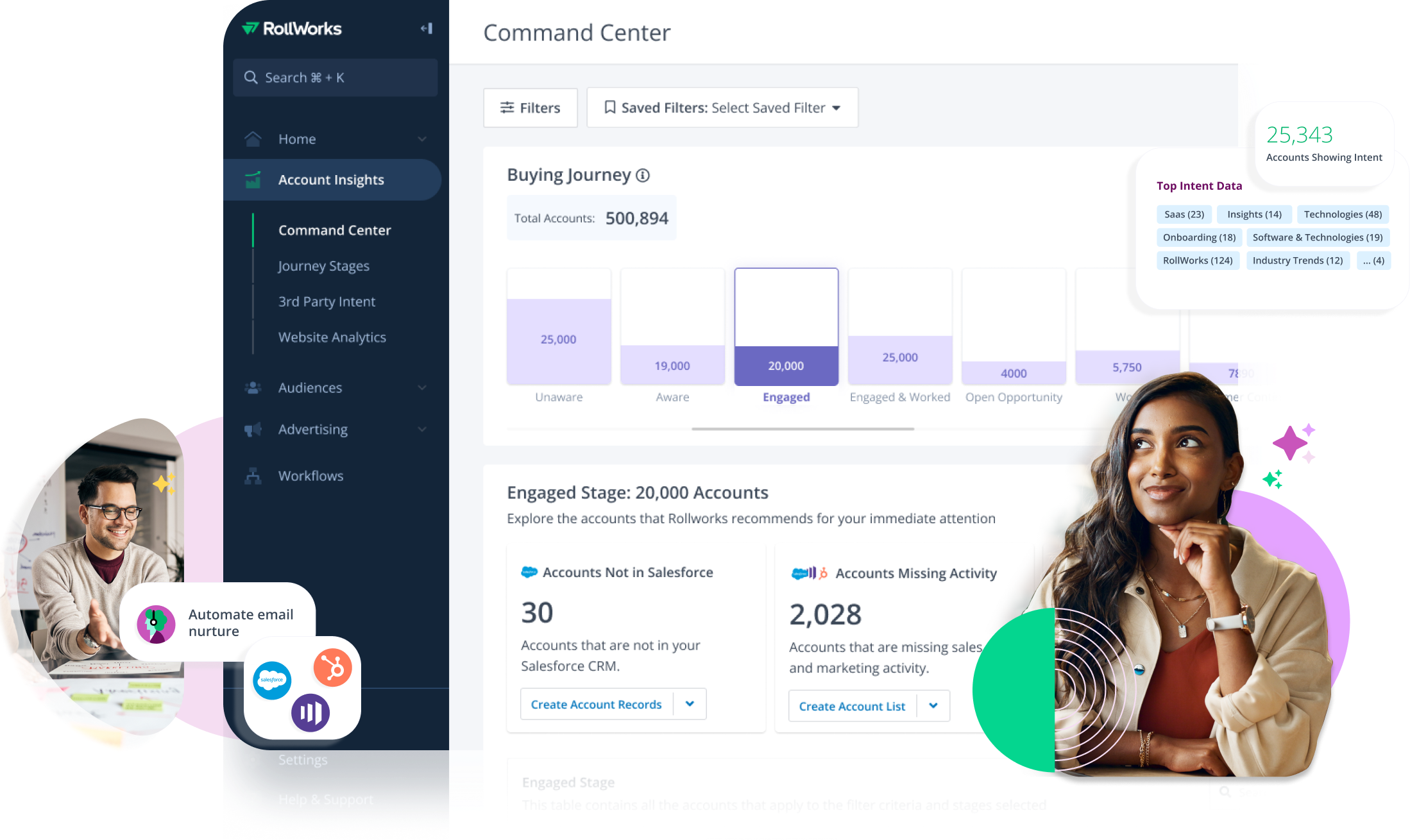
ABM automation tools give your team the structure to execute efficiently, but pairing these platforms with training and strategy ensures long-term success. With the right mix of technology and execution, your company can create customised experiences that convert your highest-value accounts into long-term partners.
B2B Account-Based Marketing
B2C companies often build campaigns around a single end user’s pain point or desire, hoping that the individual makes a purchase. B2B account-based marketing operates differently.
When you sell to organisations, there is rarely a lone decision-maker. Depending on the company’s size, a buying committee typically plays a role in the final decision.
An ABM program is especially valuable for B2B teams seeking to establish long-term relationships with a targeted set of high-value accounts.
Recent results back this up: in 2024, 81% of marketers using ABM reported higher ROI compared to other approaches.
LinkedIn Account-Based Marketing
LinkedIn remains a core channel for B2B outreach, and for good reason: 84% of B2B marketers say LinkedIn delivers the best value. That makes it a strong platform for targeting accounts and building credibility with stakeholders.
LinkedIn’s Company Targeting lets you tap into a directory of more than 13 million company pages for ABM. You can upload a list of target firms and run campaigns that reach the exact people inside those organisations.
Beyond ads, LinkedIn supports a more personal ABM experience through ongoing relationship building with your buying committee. Finding and engaging the right decision-makers directly on the platform can be a thoughtful alternative to relying solely on third-party data.
For inspiration, review how enterprise leaders like Adobe have used LinkedIn to support account-based initiatives.
Grow Better With Account-Based Marketing
ABM does not have to be overwhelming. Effective programs reflect your company’s current state and the level of investment and experimentation you can support.
While some tools come with a cost, you don’t need a large budget to get started. Many teams start with a spreadsheet, a CRM, and precise internal alignment. What you do need is leadership buy-in, sales-marketing alignment, and at least one committed sales rep to help pilot the motion.
Work through the tactics outlined above and utilise software that enables both Marketing and Sales to operate together. You will identify valuable accounts more efficiently, reduce friction across the funnel, and create steadier, more predictable growth. Book a consultation call today.
Share This Post
Recent Posts
What We Offer
Get Your Quote