

Appointment setting is a cornerstone of the B2B sales process, serving as the first real bridge between potential customers and businesses. In today’s U.S. market, where buyer expectations, communication habits, and digital platforms shift rapidly, mastering B2B sales appointment setting is more critical than ever. It not only determines whether a sales team secures meetings but also sets the tone for the entire customer relationship.
Yet, despite its importance, B2B sales appointment setting in the U.S. comes with unique challenges. From navigating diverse communication preferences to managing time zone differences across states, sales teams often struggle to keep pace. These hurdles, however, also present opportunities. By adopting modern appointment setting strategies for 2025, businesses can refine their outreach, improve conversion rates, and consistently secure high-value sales appointments.
In this blog, we explore 10 proven appointment setting tips tailored for B2B sales teams in the U.S., helping you overcome today’s obstacles and gain an edge in tomorrow’s competitive landscape.
What is an Example of Cold Calling?
An example of cold calling is when a salesperson reaches out to an unfamiliar prospect without prior interaction to introduce a product or service. This direct outreach is one of the most common starting points in B2B sales and marketing, often serving as the first step toward securing a sales appointment.
To know more about cold calling and how to use it effectively, read our blog: [The Ultimate Guide to B2B Cold Calling in 2025].
Understanding Appointment Setting
Appointment setting is a critical part of the B2B sales process, acting as the gateway between a sales team and potential clients. Its primary goal is to establish a connection, qualify leads, and create opportunities for deeper engagement. For U.S. businesses in 2025, mastering this process has become essential for sustaining growth in competitive markets.
An effective appointment-setting process starts with research. For example, a software company targeting U.S. enterprises would begin by identifying decision-makers within its industry niche. The sales team then initiates contact through cold calls, email prospecting, or social media outreach, presenting a clear value proposition that speaks directly to the prospect’s needs.
Once interest is established, the sales representative works with the prospect to confirm a suitable time for a demo or consultation. This meeting is an opportunity to highlight key features, address concerns, and align the solution with the client’s priorities.
Success in B2B sales appointment setting depends on active listening, adjusting the pitch in real time, and building genuine rapport. By focusing on benefits, addressing objections, and positioning the solution effectively, U.S. businesses can turn conversations into meaningful relationships that drive revenue growth.
According to Finances Online, individuals who book appointments online typically use an average of 2.6 services within six months.
This highlights the importance of effective B2B sales appointment setting strategies, especially for U.S. businesses in 2025, where digital booking and virtual meetings are becoming the standard. By optimising how appointments are scheduled and managed, sales teams can not only secure meetings but also build recurring opportunities over time.

Top 10 B2B Sales Appointment-Setting Tips for 2025 in the U.S.
The following are the ten most effective B2B sales appointment setting tips for U.S. businesses looking to improve outreach, secure qualified meetings, and drive stronger results in 2025.
- Research Prospects Thoroughly
The first step in practical B2B sales appointment setting is thorough research. Personalisation is no longer optional; it is expected. By understanding a prospect’s industry, pain points, and goals, sales teams can make outreach relevant, professional, and more likely to secure a qualified sales appointment.
When you know your prospect’s needs, you can position your solution as the answer to their challenges. This preparation sets the stage for meaningful conversations, builds trust, and creates a stronger foundation for long-term engagement.
Steps to Research Prospects Effectively:
- Industry Insights: Review trends and common challenges in their sector.
- Company Knowledge: Learn about their strategy, goals, and culture.
- Decision-Makers: Identify stakeholders and tailor outreach to them.
- Recent News: Mention company updates or events for relevance.
- Pain Points: Focus on their challenges and show clear solutions.
- Competitor Analysis: Position your offer against current alternatives.
Case Study: Salesforce’s Appointment Setting Optimisation
Salesforce faced inefficiencies in its appointment-setting process due to manual scheduling and inconsistent lead qualification. By integrating automated scheduling tools and intelligent lead scoring into its CRM, Salesforce streamlined the process and focused on high-potential leads.
The results: reduced admin work, a higher rate of qualified appointments, and stronger customer satisfaction. This example shows how research and technology together can dramatically improve B2B sales appointment setting outcomes.
- Craft a Compelling Value Proposition
A strong value proposition is the backbone of successful B2B sales appointment setting. It clearly explains why your product or service matters, what unique benefits it provides, and how it solves the prospect’s pain points. In the U.S., where buyers face constant pitches, a clear and impactful value proposition is what grabs attention and earns you the meeting.
When your message resonates, it sets you apart from competitors and motivates prospects to invest time in a conversation. Without it, even the best research and outreach will struggle to convert into qualified sales appointments.
Key Elements of a Compelling Value Proposition:
- Unique Benefits: Show how your solution stands out from alternatives.
- Address Pain Points: Link directly to the prospect’s challenges.
- Clear Problem-Solving: Explain how your offering resolves their needs.
- Tangible Results: Highlight measurable outcomes or ROI.
- Tailored Messaging: Adapt your pitch to align with their goals.
A compelling value proposition is more than a pitch; it is your ticket to securing attention and building trust early in the appointment-setting process.
:max_bytes(150000):strip_icc()/value-proposition_sourcefile-66bcfe6012a543ad9ef96783798ab11b.png)
- Use Personalised Communication
In B2B sales appointment setting, personalisation is the difference between being ignored and being remembered. For U.S. businesses, we know that decision-makers are bombarded with generic outreach; a tailored message shows that you’ve invested time in understanding their needs and priorities.
Personalised communication builds trust, increases engagement, and sets the stage for stronger long-term business relationships. By addressing specific challenges, sharing relevant resources, and using an empathetic tone, sales teams can significantly boost their appointment success rate.
Tips for Personalised Communication:
- Personalised Addressing: Always start with the prospect’s name.
- Challenge Acknowledgement: Reference their pain points directly.
- Relevant Content: Share articles, case studies, or resources aligned with their industry.
- Message Tailoring: Refer back to previous conversations to show continuity.
- Empathetic Tone: Demonstrate genuine care for their success.
How to Create an Effective Appointment Setting Script
A strong appointment setting script should balance clarity, persuasion, and respect for the prospect’s time. Here’s a proven structure:
- Introduction: Greet them by name, introduce yourself and your company, and state the purpose of the call clearly.
- Establishing Interest: Share your value proposition and personalise it with something relevant to their company.
- Suggesting a Time: Offer two or three specific time slots while staying flexible.
- Handling Objections: Be prepared with polite, confident responses to common pushbacks.
- Closing: Confirm the details, express gratitude, and clarify next steps (e.g., sending a calendar invite).
By combining personalised communication with a structured appointment setting script, sales teams can create conversations that feel authentic while still driving toward a clear outcome, securing the appointment.
- Leverage Multiple Communication Channels
Modern B2B sales appointment setting is no longer about choosing one outreach method; it is about creating a coordinated system of touchpoints. Decision-makers split their time between inboxes, calls, and professional networks like LinkedIn. A multi-channel strategy ensures your message gets noticed.
By using multiple channels, sales teams stay top-of-mind, reinforce their value proposition, and connect with prospects in the ways they prefer. This approach not only expands reach but also improves appointment conversion rates by aligning with the buyer’s communication habits.
Effective Communication Channels to Leverage:
- Diverse Outreach: Combine email, phone calls, LinkedIn, and events.
- Preferred Channels: Engage prospects through their go-to platforms.
- Cross-Channel Consistency: Deliver the same core message everywhere.
- Expanded Reach: Maximise exposure by tapping into varied networks.
- Adaptation & Innovation: Test new platforms to stay ahead of trends.

- Engage with Decision-Makers Directly
Reaching decision-makers is one of the most effective ways to succeed in B2B sales appointment setting. In the U.S. market, engaging directly with those who have purchasing authority saves time, avoids delays, and ensures conversations are focused on real opportunities. This approach not only boosts efficiency but also increases the likelihood of turning appointments into closed deals.
Direct communication builds credibility, creates actionable discussions, and demonstrates respect for the prospect’s time. By tailoring outreach to executives and higher-level stakeholders, sales teams show they understand the prospect’s priorities and can deliver impact where it matters most.
Strategies for Engaging Decision-Makers:
- Identify Key Players: Focus efforts on executives with true decision power.
- Tailored Messaging: Address their objectives and strategic concerns directly.
- Skip-Level Outreach: Engage higher-level leaders to accelerate decision cycles.
- Executive Networking: Connect through events, panels, and professional platforms.
- Value-Centric Approach: Show how your solution supports their long-term vision.
According to Fortune Business Insights, the global appointment scheduling software market was valued at $406.9 million in 2023 and is projected to reach $1,550.8 million by 2032, growing at a 16.1% CAGR. This rapid growth reflects how businesses worldwide are prioritising efficiency and underscores why connecting directly with decision-makers is essential to capitalise on this momentum.
- Highlight Benefits Over Features
In B2B sales appointment setting, it is not the technical specifications that win a meeting, but the promise of business outcomes. Prospects want to know how your solution will solve their problems, reduce costs, or drive growth. By focusing on benefits over features, sales teams align with what truly matters to decision-makers.
When you lead with benefits, you create a story that resonates. Prospects can picture the positive impact on their business, which builds trust and increases the likelihood of booking an appointment.
Approaches to Emphasise Benefits:
- User-Centred Focus: Show how your solution directly improves the prospect’s business operations.
- Problem-Solution Alignment: Link benefits clearly to the challenges you identified in research.
- Outcome Emphasis: Highlight measurable results such as time savings, revenue growth, or efficiency gains.
- Visualise Success: Help prospects imagine what success looks like with your solution in place.
- Solution Impact: Demonstrate long-term business value, not just short-term fixes.
By shifting the conversation from features to benefits, sales reps create compelling reasons for prospects to agree to an appointment and explore solutions in more detail.
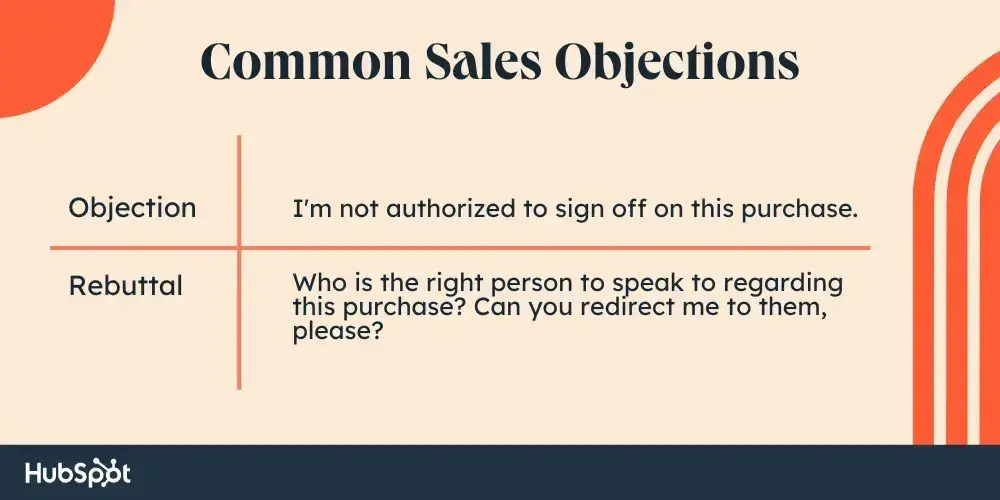
- Overcome Objections Effectively
In B2B sales appointment setting, objections are inevitable. Prospects may hesitate due to budget, timing, or uncertainty. U.S. businesses in 2025, overcoming these concerns with professionalism and empathy, is essential for securing high-value meetings.
Effective objection handling demonstrates credibility and builds trust. It keeps the conversation open, reassures the prospect, and moves the discussion toward a confirmed appointment.
Techniques to Overcome Objections:
- Active Listening: Understand the genuine concern before responding.
- Empathetic Responses: Validate their hesitation and show you understand.
- Value Reinforcement: Link benefits directly to their objection (e.g., ROI to counter price).
- Use Case Illustration: Share how similar clients overcame the same concern.
- Clarify Misunderstandings: Remove confusion with clear, fact-based answers.
By preparing for common objections, sales teams turn hesitation into opportunity and increase the likelihood of securing appointments.
- Create a Sense of Urgency
Appointments are often lost to procrastination. To succeed in B2B sales appointment setting, sales reps must encourage prospects to act now, not later. For U.S. decision-makers, who juggle packed calendars, urgency ensures your meeting is prioritised instead of postponed.
A sense of urgency emphasises why acting quickly benefits the prospect, helping accelerate the path from interest to confirmed appointment.
Ways to Create Urgency:
- Limited-Time Offers: Provide time-sensitive deals or added value.
- Scarcity Messaging: Emphasise the limited availability of slots or solutions.
- Upcoming Deadlines: Tie outreach to events, cutoffs, or seasonal windows.
- Showcase Demand: Mention strong adoption rates to highlight timeliness.
- Benefits of Prompt Action: Stress the advantages of moving quickly.
Creating urgency is not about pressure; it is about clarity. When prospects see the value of acting now, they are more likely to secure time on their calendars.
- Follow Up Persistently but Respectfully
Persistence often determines success in B2B sales appointment setting. U.S. businesses in 2025, where decision-makers manage demanding schedules, thoughtful follow-ups keep your solution visible without becoming intrusive.
Consistent communication shows commitment, while professionalism ensures your outreach is received positively. Respectful persistence not only maintains interest but also builds credibility, making prospects more willing to confirm a meeting.
Best Practices for Respectful Follow-Ups:
- Structured Schedule: Plan follow-ups at set intervals to avoid overwhelming prospects.
- Value-Added Content: Provide valuable insights, resources, or case studies in each touchpoint.
- Varied Communication: Rotate between email, phone, and LinkedIn to stay dynamic.
- Acknowledging Responses: Show appreciation for any engagement.
- Polite Persistence: Balance determination with respect for boundaries.
When follow-ups deliver value and respect the prospect’s time, they transform into opportunities rather than irritations.
- Qualify Leads Before Scheduling Appointments
Not every lead is worth pursuing, which is why lead qualification is vital in B2B sales appointment setting. Focusing only on prospects who fit your target profile saves time, conserves resources, and ensures that every meeting advances the sales process.
A qualified lead has the need, budget, authority, and urgency to engage. By filtering for these criteria before scheduling, U.S. sales teams increase efficiency and improve conversion rates.
Criteria for Lead Qualification:
- Needs Assessment: Determine whether the prospect’s challenges align with your solution.
- Budget Confirmation: Confirm purchasing power early.
- Decision-Maker Status: Ensure you are speaking with someone who has authority.
- Urgency Evaluation: Understand their timeline to prioritise hot leads.
- Fit Analysis: Match the lead against your ideal customer profile.
A disciplined approach to lead qualification ensures that every appointment contributes to growth instead of draining resources.
Most Common Appointment Setting Tools
For B2B sales appointment setting, choosing the right scheduling software is essential. These tools save time, reduce manual effort, and ensure that prospects and sales teams in the U.S. can connect seamlessly. Below are some of the most widely used tools in 2025, valued for their features, ease of use, and integration capabilities.
Calendly
- Features: Simple interface, automatic scheduling, Google and Outlook calendar sync, time zone detection, and customizable meeting types.
- Best For: Professionals and teams who need a fast, reliable scheduling tool.
Acuity Scheduling
- Features: Customizable scheduling pages, automatic reminders, integration with payment systems like PayPal and Stripe, multi-calendar sync, and client self-scheduling.
- Best For: Businesses requiring customisation and more control over the scheduling process.
HubSpot Meetings
- Features: Built into the HubSpot CRM, automatic calendar sync, personalised booking links, CRM integration, and automatic contact creation.
- Best For: Sales and marketing teams already using HubSpot for lead management.
Doodle
- Features: Group scheduling with poll-based availability, calendar integration, mobile support, and easy coordination across multiple participants.
- Best For: Teams needing to find standard meeting times quickly and easily.
Setmore
- Features: Online booking pages, recurring appointments, automatic reminders, integrations with platforms like Slack and QuickBooks, and team scheduling.
- Best For: Small businesses and service providers looking for an all-in-one solution.
Essential Best Practices in Sales Appointment Setting
To succeed in B2B sales appointment setting, sales teams need to combine strategy, personalisation, and efficiency. For U.S. businesses in 2025, the following best practices ensure stronger engagement and higher conversion rates:
- Research and Qualify Leads: Understand prospects’ needs and confirm fit using the BANT criteria (budget, authority, need, timeline).
- Use Multiple Communication Channels: Combine email, phone, LinkedIn, and social media to maximise outreach and adapt to prospect preferences.
- Personalise Outreach: Reference industry context, achievements, or challenges to demonstrate genuine understanding.
- Provide Value Upfront: Share insights, resources, or solutions early to build trust and credibility.
- Include a Clear Call-to-Action (CTA): Direct prospects toward the next step, whether booking a meeting or attending a demo.
- Respect Their Time: Offer flexible scheduling, confirm meetings, and always be punctual.
By following these appointment-setting best practices, sales teams strengthen relationships, streamline the scheduling process, and secure more qualified meetings.
Conclusion
The future of B2B sales appointment setting is becoming smarter, faster, and more customer-centric. For U.S. businesses in 2025, success will come from combining proven best practices such as research, personalisation, and multi-channel outreach with modern tools that automate scheduling and streamline communication.
AI-driven platforms, automated reminders, and integrated CRMs will reduce no-shows and optimise efficiency. Yet, while technology will continue to improve the process, the human element remains essential. Building trust, addressing objections, and tailoring conversations to decision-makers will always be at the heart of securing high-value appointments.
By applying the strategies outlined in this guide, sales teams can strengthen engagement, improve conversion rates, and ensure every scheduled meeting is a step toward long-term growth.
Konsyg helps businesses refine their sales execution, from outbound lead generation to appointment setting, enabling teams to focus on closing deals. At the same time, we handle the heavy lifting of prospecting and outreach. Book a call today.
Frequently Asked Questions
How to set appointments in sales?
Research your prospect, personalise outreach, and use a clear, compelling value proposition. Suggest specific dates and times, confirm availability, and follow up respectfully if necessary.
How to be a good appointment setter?
Focus on active listening, empathy, and persistence. Tailor each message to the prospect’s needs and maintain professionalism at every touchpoint.
How to practice appointment setting?
Use real-world scenarios to practice cold calls and email scripts. Roleplay with teammates, refine your pitch, and track results to improve over time.
What is the role of a sales appointment setter?
An appointment setter bridges the gap between prospecting and sales. Their role is to connect with leads, qualify them, and secure meetings with decision-makers, allowing sales teams to focus on closing.
Share This Post
Recent Posts
What We Offer
Get Your Quote