

B2B lead generation sounds simple on paper. Identify companies with a clear need, reach out to them, and convert them into customers.
In reality, it rarely works that way.
Most B2B teams in the UK are not struggling to find leads. They are struggling to generate the right ones. Sales pipelines are filled, but conversion rates remain low. Outreach volume is high, but meaningful conversations are limited.
The problem is not effort. It is an approach.
Buyer behaviour has shifted. Decision-making now involves multiple stakeholders, longer evaluation cycles, and far higher expectations around personalisation and relevance. At the same time, competition has intensified, with more companies investing in outbound, automation, and data tools than ever before.
Yet many teams are still relying on outdated tactics. Generic cold emails, broad targeting, and disconnected sales and marketing efforts no longer deliver consistent results, especially in a market like the UK where trust, compliance, and precision matter.
To generate qualified leads today, B2B companies need strategies that prioritise intent, relevance, and timing over sheer volume.
In this guide, we break down 10 B2B lead generation strategies used by high-performing UK companies, along with the most common mistakes that continue to limit pipeline quality and revenue growth.
What Are B2B Leads and Their Types?
B2B leads are individuals within a company who have shown interest in your product or service and are involved in the decision-making process. Unlike B2C, where a single person makes the purchase, B2B leads are often part of a wider buying group that includes stakeholders across finance, operations, and leadership.
This is what makes B2B lead generation more complex. You are not selling to one person. You are influencing a process.
Not all leads are equal, and understanding where they sit in the buying journey is critical to building a pipeline that actually converts.
In most B2B sales environments, leads are broadly classified into two categories:
Marketing Qualified Leads (MQLs)
These are leads that have shown early interest but are not yet ready to engage in a sales conversation. This interest is usually captured through marketing activity such as downloading content, attending webinars, or subscribing to updates.
At this stage, intent is still developing. Many MQLs are researching, comparing options, or simply exploring a problem. Treating them as ready to buy often leads to poor conversion rates.
Sales Qualified Leads (SQLs)
SQLs are leads that have moved beyond initial interest and are actively considering a solution. They may request a demo, ask for pricing, or engage directly with your sales team.
More importantly, SQLs show clear buying signals such as urgency, defined use cases, or internal alignment among decision-makers.
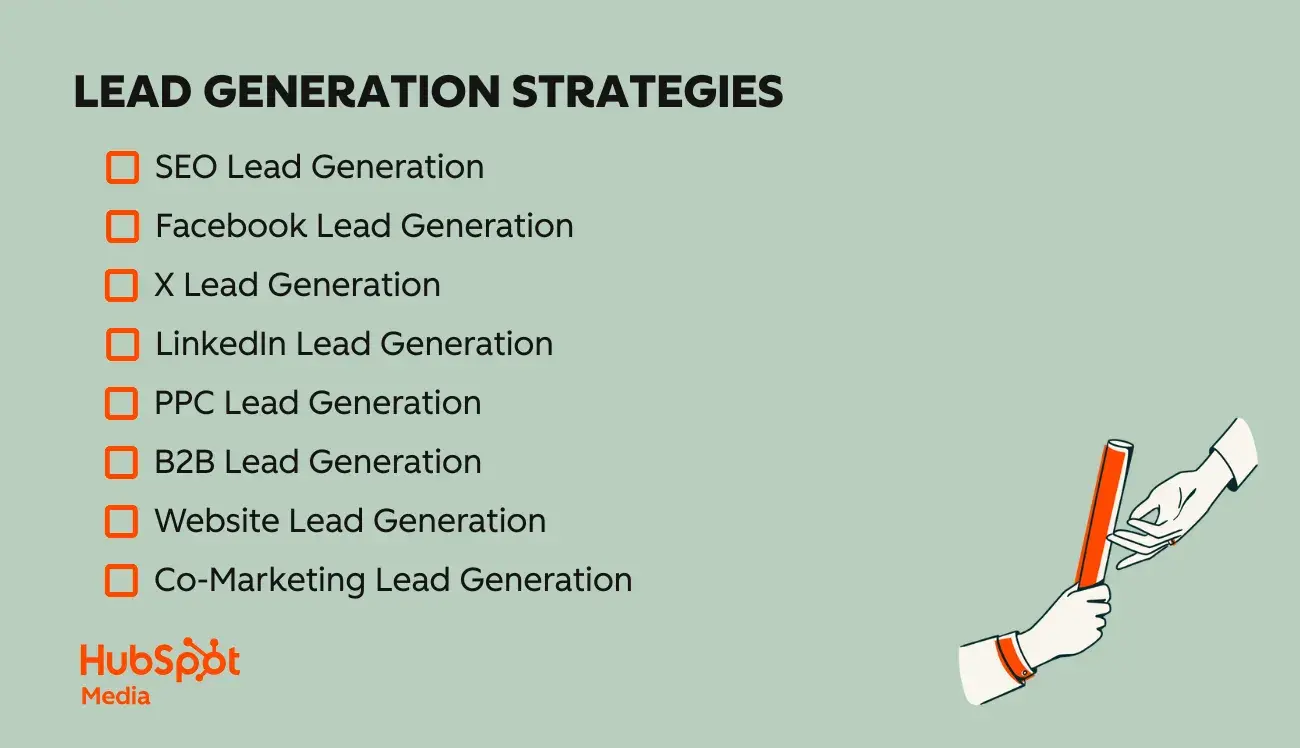
10 B2B Lead Generation Strategies Used by Top UK Companies
Understanding the difference between MQLs and SQLs is important. But most B2B teams do not struggle with definitions. They struggle with execution.
Many companies are already running outbound campaigns, publishing content, and investing in tools. Yet pipelines remain inconsistent because strategies are applied without alignment to buyer intent, timing, and relevance.
In the UK, this gap is even more visible. Buyers are more selective, compliance expectations are higher, and generic outreach is often ignored.
The strategies below reflect how high-performing B2B teams generate qualified leads today.
- Create Gated Content That Qualifies, Not Just Captures
Gated content is one of the most widely used B2B lead generation strategies, but most companies treat it as a volume play.
The objective is not to collect emails. It is to identify buying intent.
High-performing teams design gated content around specific, high-intent problems. Broad guides may generate traffic, but they rarely produce sales-ready leads. In contrast, resources such as implementation frameworks, ROI calculators, or detailed case studies attract prospects who are actively evaluating solutions.
What a lead downloads provides critical context. It indicates where they are in the buying journey and how soon they are likely to convert.
In the UK market, where buyers are less responsive to generic outreach, this level of qualification is essential. Sales teams that rely on gated-content signals can prioritise the right conversations rather than chase unqualified leads.
The strongest execution connects content directly to action. Instead of stopping at a download, high-performing teams guide leads towards the next step, whether that is a demo, a consultation, or a deeper evaluation resource.
Insight: Most companies measure the success of gated content by lead volume. The real metric is how many of those leads convert into meaningful sales conversations.
- Host Webinars That Drive Engagement, Not Just Attendance
Webinars are often positioned as a top-of-funnel activity, but when executed correctly, they can generate highly qualified leads.
The difference lies in how they are structured.
Most webinars fail because they prioritise promotion over value. High-performing teams take the opposite approach. They focus on solving a specific problem and use the session to demonstrate expertise rather than push a product.
This is particularly effective in the UK, where buyers place a strong emphasis on credibility and insight before engaging with sales.
The real advantage of webinars is not attendance. It is engagement data.
Who stayed until the end. Who asked questions. Who interacted with polls or clicked on follow-up resources. These signals provide a clear indication of interest and intent.
Instead of treating all attendees equally, leading teams segment their follow-up based on engagement. Highly engaged participants receive personalised outreach tied to their interactions, while less engaged leads are nurtured over time.
This approach turns webinars from a branding exercise into a structured lead qualification channel.

- Remove Friction From Demo Booking
When a potential buyer reaches the stage where they want to speak with sales, timing becomes critical.
Any delay or friction in this process reduces conversion rates.
Many B2B websites still direct high-intent visitors to generic contact forms, creating unnecessary steps between interest and action. High-performing teams eliminate this gap entirely.
They use real-time scheduling tools, intelligent routing, and live chat to connect leads with the right sales representative immediately.
This is especially important in competitive UK markets, where buyers often evaluate multiple vendors at once. The company that responds first and most effectively gains a significant advantage.
The key is not just speed, but relevance. Leads should be routed based on criteria such as company size, industry, or enquiry type, ensuring they speak with someone who can address their specific needs.
Reducing friction at this stage does not just improve conversion rates. It shortens the overall sales cycle.
- Retarget High-Intent Website Visitors
Not every visitor converts on their first interaction, but that does not mean they lack interest.
In many cases, they are still evaluating options, comparing vendors, or waiting for internal alignment before taking the next step.
Retargeting allows B2B companies to stay visible during this consideration phase.
However, the effectiveness of retargeting depends on how well it is segmented. Generic ads rarely perform well. High-performing teams tailor messaging based on behaviour.
A visitor who viewed a pricing page should not see the same message as someone who read a blog post. Each interaction provides context, and retargeting campaigns should reflect that.
In the UK, where buyers are more cautious and research-driven, consistent, relevant visibility plays a key role in shaping decisions over time.
Retargeting is not about repetition. It is about reinforcing relevance at the right moment.
- Capture Competitor Demand Instead of Creating It From Scratch
Generating demand is expensive and time-consuming. Capturing existing demand is often far more efficient.
One of the most effective ways to do this is by targeting audiences already engaging with your competitors.
This can be approached in multiple ways. Paid search campaigns targeting competitor keywords allow you to position your solution at the exact moment a prospect is evaluating alternatives. Comparison content, when executed honestly, helps buyers make informed decisions while introducing your offering as a credible option.
The key here is credibility.
UK buyers, in particular, are highly sensitive to exaggerated claims or biased comparisons. Content that is overly promotional tends to erode trust rather than build it.
High-performing teams focus on transparency. They highlight strengths, acknowledge differences, and provide clear reasoning for why a buyer might choose one solution over another.
This approach does more than capture traffic. It positions your brand as a trusted advisor during the decision-making process.
- Generate Inbound Leads With SEO That Targets Buying Intent
SEO is one of the most reliable ways to generate inbound B2B leads, but only when it is aligned with how buyers actually search.
Most companies focus on traffic. High-performing teams focus on intent.
Ranking for broad, informational keywords may increase visibility, but it rarely drives qualified leads. In contrast, content built around high-intent searches such as comparisons, pricing, implementation, or problem-specific queries attracts buyers who are already evaluating solutions.
This is where SEO becomes a lead generation channel rather than a branding exercise.
In the UK, where buyers conduct extensive research before engaging with vendors, search plays a critical role in shaping early perceptions. If your content answers specific questions clearly and credibly, it positions your company as a trusted source before sales even begin.
The most effective approach connects SEO content directly to conversion paths. Each page should guide the reader towards a clear next step, whether that is accessing a resource, booking a call, or exploring a relevant solution.
Traffic does not generate revenue. Intent does.
- Use Social Channels to Build Trust Before Outreach
Social media is often treated as a distribution channel. In B2B, it functions as a trust-building layer.
Buyers rarely respond to outreach from companies they have never heard of. However, they are far more likely to engage when they recognise the brand or have already interacted with its content.
This is where a consistent, value-driven presence becomes important.
LinkedIn remains the primary platform for B2B engagement, particularly in the UK. But high-performing teams also pay attention to niche platforms where their audience actively discusses challenges, such as industry forums, Reddit, and specialist communities.
The key is not visibility alone. It is relevant.
Instead of pushing offers, effective teams share insights, comment on industry developments, and engage directly with conversations that matter to their audience. Over time, this builds familiarity and credibility.
When outreach happens, it no longer feels cold.
This shift from cold outreach to warm engagement significantly improves response rates and reduces resistance from prospects.
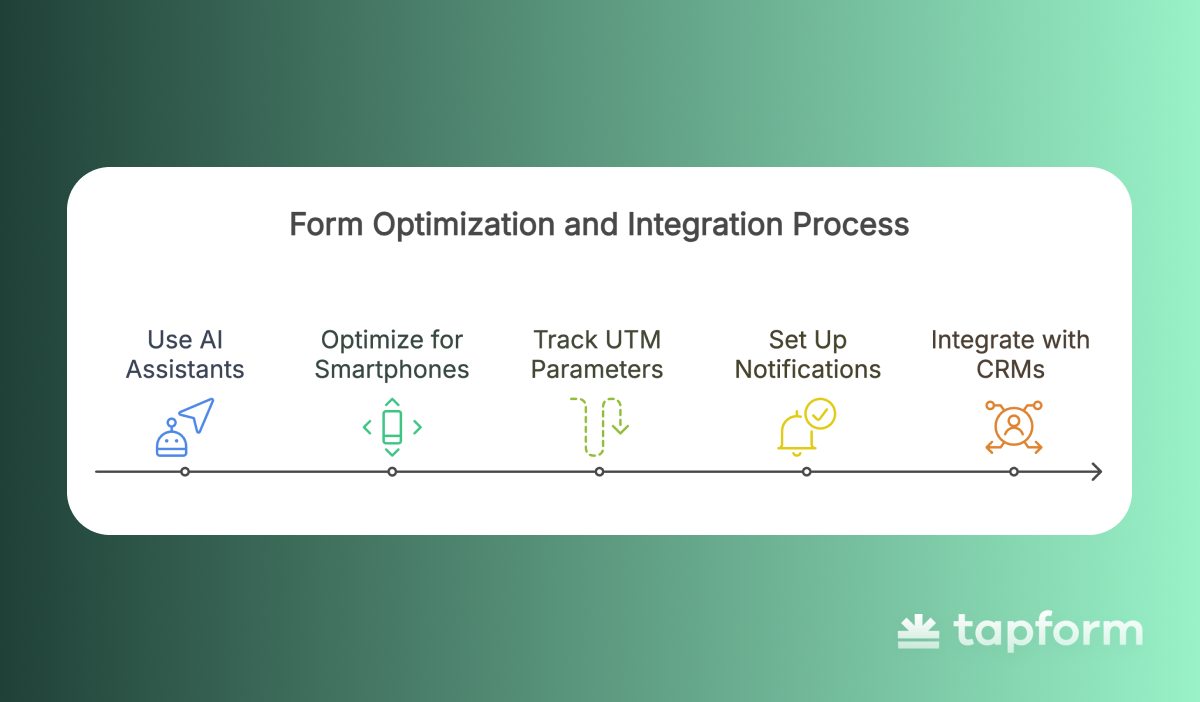
- Optimise Lead Capture With Smart Routing and Speed
Capturing a lead is only valuable if you can act on it quickly and effectively.
Many B2B companies lose opportunities not because of poor lead generation, but because of slow or inefficient follow-up processes.
High-performing teams optimise this stage by reducing friction and response time.
Forms are kept short and focused on essential information. More importantly, leads are immediately qualified and routed to the right person based on predefined criteria such as industry, company size, or enquiry type.
Speed plays a critical role here.
The likelihood of conversion drops significantly as response time increases. Engaging a lead while their interest is still high improves both connection rates and overall pipeline quality.
In competitive UK markets, where multiple vendors may be evaluated simultaneously, this responsiveness can be the deciding factor.
Smart routing is not just an operational improvement. It is a revenue driver.
- Partner With Complementary Companies to Access Qualified Audiences
Building an audience from scratch takes time. Partnering with the right companies allows you to access an existing, relevant audience more efficiently.
This strategy works best when there is a clear alignment in audience, but no direct competition.
For example, companies offering complementary services can collaborate on webinars, co-create content, or share distribution channels. This not only expands reach but also strengthens credibility, as both brands benefit from association.
In the UK, where trust plays a central role in purchasing decisions, this type of collaboration can significantly accelerate lead generation.
However, effectiveness depends on alignment.
High-performing teams are selective about partnerships. They prioritise quality over reach, ensuring that both audiences are relevant and that the value provided is meaningful.
When executed correctly, partnerships do not just increase lead volume. They improve lead quality.
- Use Social Proof to Reduce Buying Friction
Before engaging with sales, most B2B buyers look for validation.
They want to understand whether your solution works, who it works for, and what results it delivers.
This is where social proof becomes critical.
Reviews on platforms such as G2, TrustRadius, and Capterra provide independent validation. They show real experiences from similar companies, which helps reduce perceived risk.
However, simply having reviews is not enough.
High-performing teams actively integrate social proof across the buyer journey. Testimonials are embedded within landing pages, included in outbound messaging, and used within sales conversations to reinforce credibility.
In the UK, where buyers tend to be more cautious and evidence-driven, this layer of validation plays an even greater role in decision-making.
The goal is to remove uncertainty.
The more clearly you can demonstrate results through credible proof, the easier it becomes for prospects to move forward.
5 B2B Lead Generation Mistakes That Limit Pipeline Growth
Even with the right strategies in place, many B2B teams struggle to generate a consistent pipeline.
The issue is rarely a lack of activity. It is how that activity is executed.
These are the mistakes that quietly reduce lead quality, slow down conversions, and create the illusion of progress without real revenue impact.
- Delayed Follow-Up That Kills Buying Intent
When a lead shows interest, timing becomes critical.
The window between interest and action is often short. Delays of even a few hours can significantly reduce the likelihood of conversion. In high-performing teams, response time is measured in minutes, not days.
Studies show that responding within the first minute can increase conversion rates by up to 391%.
In competitive UK markets, where buyers often evaluate multiple vendors simultaneously, slow follow-up not only reduces your chances but also undermines your credibility. It removes you from consideration entirely.
The solution is not more effort. It is a better system.
Leads should be routed instantly and connected with the right representative while intent is still high. This maintains momentum and increases the probability of meaningful conversations.
- Overcomplicated Lead Capture That Reduces Conversion
Many companies try to collect too much information too early.
Long forms, unnecessary fields, and multi-step processes create friction that discourages prospects from completing the journey. The result is fewer conversions, even when interest exists.
High-performing teams take a different approach. They prioritise simplicity at the point of capture and rely on enrichment and qualification tools to fill in additional details later.
The objective is to reduce effort for the prospect.
In B2B environments, especially in the UK, where buyers are more cautious with data sharing, a streamlined experience significantly improves conversion rates.
Every additional field should be justified. If it does not directly support qualification or routing, it likely does more harm than good.
- Measuring Activity Instead of Outcomes
Tracking performance is essential, but many teams focus on the wrong metrics.
Open rates, click rates, and lead volume provide visibility, but they do not indicate whether your strategy is generating revenue.
This leads to a common problem. Campaigns appear successful on the surface, while pipeline quality remains low.
High-performing teams measure what actually matters. Conversion rates from MQL to SQL. SQL to opportunity. Opportunity to close a deal.
These metrics provide a clearer picture of effectiveness and help identify where breakdowns occur.
Without this level of visibility, decisions are based on assumptions rather than data.
- Misalignment Between Marketing and Sales
One of the most persistent challenges in B2B lead generation is the disconnect between marketing and sales.
When both teams operate with different definitions of a qualified lead, inefficiencies follow. Marketing focuses on generating volume, while sales struggles to convert those leads into opportunities.
This misalignment leads to wasted time, missed opportunities, and frustration on both sides.
High-performing organisations treat lead generation as a shared responsibility.
They define clear qualification criteria, align on target accounts, and continuously refine their approach based on feedback from both teams.
In markets like the UK, where precision matters more than volume, this alignment becomes even more critical.
- Ignoring Lead Nurturing and Expecting Immediate Conversion
Not every lead is ready to buy immediately.
In fact, a significant portion of B2B leads require multiple touchpoints before they are ready to engage with sales. Ignoring this reality results in lost opportunities.
Many companies generate leads successfully but fail to stay engaged. Without consistent follow-up, prospects lose interest or turn to competitors who maintain visibility.
Effective lead generation does not end at capture. It continues through structured nurturing.
This includes targeted content, personalised outreach, and timely engagement based on behaviour.
The goal is to remain relevant throughout the decision-making process.
In longer sales cycles, which are common in the UK, nurturing is not optional. It is essential for maintaining pipeline momentum.
FAQs
What is B2B lead generation?
B2B lead generation is the process of identifying and engaging businesses that are likely to benefit from your product or service.
It goes beyond collecting contact details. Effective lead generation focuses on attracting the right companies, understanding their needs, and moving them towards a sales conversation.
In practice, this means combining inbound channels, such as SEO and content, with outbound strategies, such as targeted outreach and account-based engagement.
How do you generate B2B leads in the UK?
Generating B2B leads in the UK requires a more precise, trust-driven approach than in many other markets.
Buyers are typically more research-focused, less responsive to generic outreach, and highly aware of data privacy regulations such as GDPR.
The most effective approach combines:
- Intent-driven SEO to capture demand
- Personalised outbound outreach
- Strong social proof and credibility signals
- Timely and relevant follow-up
Success in the UK market depends less on volume and more on relevance and positioning.
What are the best B2B lead generation strategies?
The most effective B2B lead generation strategies align with buyer intent and timing.
These typically include:
- SEO-driven inbound content targeting high-intent keywords
- Personalised outbound campaigns
- Gated content designed for qualification
- Webinars and educational events
- Retargeting and multi-touch engagement
The key is not to use all strategies at once, but to execute the right mix based on your target market and sales cycle.
What is a good cost per lead in B2B?
There is no fixed benchmark for cost per lead in B2B.
The value of a lead depends on deal size, conversion rates, and sales cycle length. A lower cost per lead may seem efficient, but if those leads do not convert, it becomes expensive in the long run.
High-performing teams focus on cost per qualified opportunity or cost per acquisition rather than cost per lead.
This shift ensures that spend is aligned with revenue, not just activity.
How long does B2B lead generation take?
The timeline for B2B lead generation varies depending on the channel and strategy used.
Inbound channels such as SEO and content marketing often take several months to generate consistent results. Outbound strategies, when executed correctly, can generate conversations within weeks.
However, converting leads into revenue typically takes longer due to multi-stage decision-making processes.
In most B2B environments, especially in the UK, sales cycles can range from a few weeks to several months, depending on deal complexity.
What is the difference between inbound and outbound lead generation?
Inbound lead generation focuses on attracting potential buyers through content, search, and digital channels. It relies on prospects finding you when they are actively looking for solutions.
Outbound lead generation involves proactively reaching out to potential buyers through channels such as email, LinkedIn, or cold calling.
Inbound builds long-term demand and credibility. Outbound creates immediate pipeline opportunities.
High-performing B2B teams use both in combination rather than relying on a single approach.
Why are my B2B leads not converting?
Low conversion rates are usually not caused by a lack of leads, but by issues in targeting, timing, or follow-up.
Common reasons include:
- Targeting companies that are not a strong fit
- Engaging leads before they are ready to buy
- Slow or inconsistent follow-up
- Lack of personalisation in outreach
Improving conversion requires focusing on lead quality and intent signals, and aligning outreach with where the buyer is in their decision-making process.
Should you outsource B2B lead generation?
Outsourcing B2B lead generation can be effective when internal teams lack the time, expertise, or resources to execute consistently.
The right partner brings structured processes, market insight, and the ability to scale outreach without compromising quality.
However, results depend heavily on execution. A strong external team will prioritise targeting, messaging, and alignment with your sales process rather than simply increasing activity.
For many companies, outsourcing is not about replacing internal teams, but about accelerating pipeline growth with specialised support.
Create Your Own B2B Lead Generation Strategy
Your B2B lead generation strategy should not rely on a single tactic. High-performing teams combine multiple channels, continuously track performance, and refine their approach based on how buyers actually behave.
From gated content and SEO to smart routing and social proof, each strategy plays a role in moving prospects through the pipeline. But results do not come from using more tactics. They come from consistently and precisely executing the right ones.
In practice, this means focusing on how leads are qualified, how quickly they are engaged, and how well marketing and sales operate as a single unit. Teams that treat lead generation as an integrated system, rather than as isolated activities, tend to see stronger, more predictable pipeline outcomes.
This is also where many companies see the gap between strategy and execution. Building a framework is one thing. Running it consistently across markets, campaigns, and buyer segments is another.
Focus on speed, clarity, and data-driven decision-making to create a lead-generation engine that not only generates leads but also converts them into qualified opportunities.
Book a call with Konsyg to scale up your B2B lead generation strategy in the UK!
Share This Post
Recent Posts
What We Offer
Get Your Quote