

Building a $1 million sales pipeline in Singapore within 90 days is an ambitious goal—but entirely possible with a structured and disciplined approach. Singapore’s unique business environment, regional significance, and digital maturity make it one of the most efficient places to generate rapid B2B growth. From startups entering Asia to global enterprises expanding their regional footprint, businesses that execute the right strategies can build meaningful pipeline value quickly.
The city-state ranks among the top global business hubs and is consistently praised for its regulatory efficiency, advanced digital infrastructure, and accessibility to regional markets. This favorable environment helps reduce friction in prospecting, engagement, and deal closure, making the 90-day pipeline milestone more achievable than in more complex or fragmented markets.
By implementing the five strategies outlined below, your sales organisation can develop a high-quality pipeline that reaches the $1M target and lays the groundwork for long-term revenue.
 )
)
1. Define and Prioritize Your Ideal Customer Profile (ICP)
Creating a strong pipeline begins with knowing exactly who you are targeting. Many companies fail to reach revenue goals simply because they are chasing leads that do not fit. In a dense market like Singapore, with companies across financial services, tech, logistics, and healthcare, clarity around your Ideal Customer Profile (ICP) is essential.
Steps to define your ICP effectively:
- Industry Focus: Identify the top 2–3 sectors where your solution offers the most value.
- Company Size & Stage: Target businesses based on revenue range, funding stage, or number of employees.
- Decision-Maker Role: Know who signs the deal. Is it the CTO? COO? Head of Procurement?
- Tech Stack & Buying Behavior: Research what tools your ICP already uses and how they make purchasing decisions.
- Pain Points in the Singapore Market: Localize your ICP by identifying challenges specific to Singapore businesses (e.g., compliance, regional expansion, digital transformation).
Refining your ICP and aligning your outreach efforts accordingly prevents you from wasting resources on unqualified leads. This ensures every interaction moves you closer to a high-value deal, rather than filling your CRM with low-conversion prospects. In fact, according to HubSpot’s 2024 State of Marketing Report, 63% of marketers say their biggest content challenge is driving traffic and generating leads. A clearly defined ICP helps eliminate guesswork and accelerates your path to a qualified pipeline.
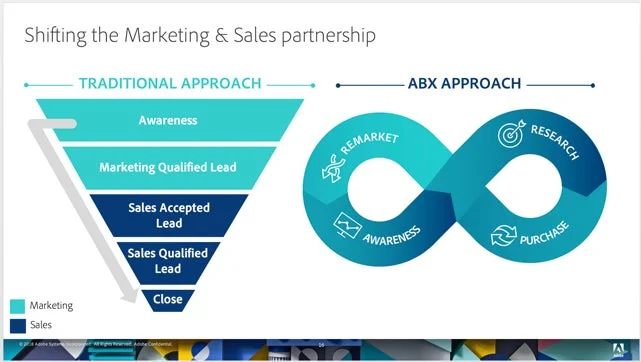
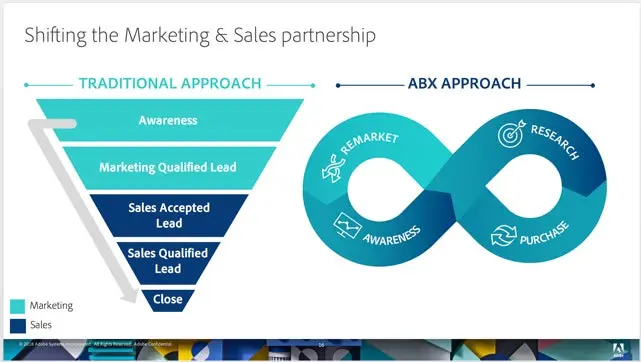
2. Execute Account-Based Marketing (ABM) Outreach
Once your ICP is clear, the next step is building a personalised, multi-touch engagement strategy around your best-fit accounts. Account-Based Marketing (ABM) focuses your resources on a list of high-value prospects and creates tailored outreach for each.
Steps to implement an ABM strategy:
- Build a Target Account List: Use tools like LinkedIn Sales Navigator or Apollo to generate a list of decision-makers at relevant companies.
- Craft Personalized Messaging: Tailor email copy, subject lines, and follow-ups to the individual recipient’s role, pain points, and company news.
- Use Multi-Channel Engagement: Combine email, LinkedIn messages, cold calls, and digital ads to build familiarity over time.
- Track Engagement & Adapt: Use CRM tools to monitor which accounts engage with your content and adjust messaging accordingly.
- Align Sales and Marketing: Ensure both teams collaborate on account insights and real-time adjusting strategies.
ABM works particularly well in Singapore due to its concentrated population of decision-makers and compact business ecosystem. McKinsey research shows that 71 percent of consumers expect companies to deliver personalised interactions. Personalised, value-driven messaging does more than stand out in such a focused market—it is expected. This tailored approach allows businesses to cut through the noise and create real pipeline opportunities with high-intent prospects.
3. Leverage Inbound Content Focused on Singapore-Specific Challenges
Outbound outreach generates leads quickly, but to scale your pipeline sustainably, you need content that organically attracts, educates, and qualifies leads. Inbound marketing builds long-term brand equity while reducing customer acquisition costs over time.
Tactics for effective content-driven lead generation:
- Create Local Case Studies: Highlight client success stories that show your impact on Singapore-based businesses.
- Write SEO-Optimized Blogs: Target search queries your ICP will likely use, such as “B2B sales in Singapore” or “how to scale tech in Asia.”
- Offer Downloadable Resources: Build landing pages with lead magnets like eBooks or checklists that require email submission.
- Publish Thought Leadership: Share commentary on industry trends, regional shifts, and sales best practices on LinkedIn or Medium.
- Localise All Content: Use examples, regulatory references, and case studies relevant to Singapore’s ecosystem.
Content builds credibility with buyers early in the sales journey and helps pre-qualify leads before your team reaches out. The more helpful your content, the more trust you make—and trust drives conversion. 61% of B2B buyers consume three to seven pieces of content before contacting a salesperson. This makes consistent, localised content not just a marketing effort, but a vital sales acceleration tool in a competitive market like Singapore.
4. Activate Strategic Partnerships Within the Local Ecosystem
In Singapore, many deals are built on relationships. One of the fastest ways to grow your pipeline is to tap into existing trust networks by partnering with ecosystem stakeholders.
Types of strategic partnerships to pursue:
- Accelerators and Incubators: Partner with programs that support startups expanding into or out of Singapore.
- VC Firms and Angel Networks: Collaborate with investors whose portfolios include your ICP and offer portfolio-wide discounts or enablement.
- Consultants and Channel Partners: Form referral agreements with local consultants, legal firms, or service providers already working with your audience.
- Trade Associations and Chambers of Commerce: Co-host webinars or events that attract business leaders in your sector.
- Recruitment Firms: Partner with agencies to help companies build regional teams. These firms often identify fast-growing clients first.
These partnerships allow you to build a pipeline through referrals and co-branded activity, accelerating trust and reducing sales friction. In a relationship-driven market like Singapore, warm introductions outperform cold outreach every time. According to Nielsen, 92% of consumers trust referrals from people they know over any other form of advertising. Leveraging strategic partners opens doors and brings credibility that cold outreach alone cannot match.
5. Use Sales Automation to Scale Outreach Without Losing Personalization
Your team cannot rely on manual processes to hit a $1 million target in 90 days. Sales automation tools help scale outreach while still allowing for personalisation. You can touch hundreds of leads a week with the right system without compromising message quality.
Automation tools and processes to consider:
- Sequencing Software: Use platforms like Instantly, Lemlist, or Outreach to send personalised email sequences at scale.
- CRM Integration: Ensure your CRM tracks deal velocity, contact engagement, and pipeline value in real time.
- Lead Enrichment Tools: Use tools like Clearbit or Lusha to automatically populate missing data (e.g., phone numbers and job titles).
- Calendar Booking Tools: Use apps like Calendly or Chili Piper to reduce friction in scheduling sales calls.
- Engagement Scoring: Prioritize follow-ups based on activity levels (opens, clicks, page visits).
The goal is to build a system where high-value leads are engaged automatically, routed to the right rep, and followed up at the optimal time. This is how you move fast without sacrificing personalisation or quality. According to HubSpot, 70% of sales professionals who use AI for prospect outreach say it helps them achieve a higher response rate. When implemented strategically, sales automation becomes a powerful multiplier—scaling your outreach while delivering the personalised touch today’s buyers expect.

Bonus Strategy: Host Webinars or Virtual Events Targeted to the Singapore Market
Whether virtual or in-person, live events effectively engage multiple leads and showcase your team’s expertise. Events can accelerate pipeline development by weeks in a market like Singapore, where networking is central to dealmaking.
How to execute event-based lead generation:
- Choose a Relevant Topic: Address timely issues your ICP cares about, such as compliance, funding, digital transformation, etc.
- Invite Target Accounts Directly: Use events as a soft touchpoint to initiate conversations with cold leads.
- Follow Up Strategically: After the event, offer a free consultation, toolkit, or workshop to qualified attendees.
- Co-Host with a Partner: Invite a VC, consultant, or client to speak. This lends credibility and expands your audience.
A single event can generate dozens of warm leads and position your brand as a trusted authority in the market.According to ON24’s 2025 Webinar Benchmarks Report, webinars have become a powerful tool for driving engagement and generating leads. In 2024, the average number of webinar attendees increased by 7% year-over-year, reaching 216 participants per event. Additionally, 72% of marketers reported that webinars directly impact their pipeline and revenue. In a business culture like Singapore’s—where thought leadership and industry relationships carry significant weight—well-executed webinars can bridge the trust gap and open doors to conversations that might otherwise take months to initiate.
Conclusion
Singapore offers a uniquely high-leverage environment for building a fast, focused, and valuable sales pipeline. Its connected ecosystem, digital readiness, and strong talent base make it possible to generate real momentum quickly—if you execute the right strategies.
To build a $1 million pipeline in just 90 days:
- Define your ICP precisely
- Launch personalised ABM campaigns
- Publish local, SEO-driven content
- Activate trusted ecosystem partnerships
- Automate outreach without losing quality
- And consider events to drive mass engagement
Your sales team can unlock rapid growth in one of Asia’s most competitive and rewarding markets with discipline, data, and the right tools. Acting quickly while maintaining precision is critical in markets like Singapore, where decision-making cycles are short and competition is high. BCG’s 2021 Digital Acceleration Index study also found that 40% of the most digitally mature companies grew revenues by more than 10%, compared to only 19% of the least digitally mature companies.
For companies seeking a partner to implement these strategies with speed and precision, Konsyg offers outsourced sales execution tailored to the Singapore market. From lead generation to deal closure, Konsyg provides the team, tools, and tactics needed to build a pipeline that converts. With experience serving clients across more than 30 countries, Konsyg specialises in fast, scalable sales solutions that help companies penetrate new markets without the overhead of building in-house teams.
Share This Post
Recent Posts
What We Offer
Get Your Quote