

Most cold emails fail not because cold outreach is ineffective, but because the message feels detached from the person receiving it. The message often lacks personalisation, comes across as overly promotional, or simply does not address a real problem the reader is experiencing. In today’s competitive B2B landscape, buyers receive dozens of emails each week that sound almost identical, generic offers, overused buzzwords, and recycled templates. As a result, these emails are scanned for a few seconds and then quickly deleted.
A cold email that feels like a real, relevant conversation stands out. If it sounds like it was written with a specific individual in mind, considering their context, the chances of getting a reply increase significantly. Instead of being treated as another interruption, it is received as a thoughtful nudge. But achieving that level of resonance takes more than just plugging in a first name.
This is where most outreach efforts break down. Too often, teams focus on quantity over quality, believing that high volume will compensate for low relevance. That might work temporarily, but it leads to burned domains, poor sender reputation, and disengaged audiences. Cold emailing works best when treated as a way to build relationships not just pipelines.
For B2B founders and sales leaders, the challenge is no longer sending emails. It is sending the right message to the right person at the right time. When done correctly, cold emailing becomes a high-leverage tool for generating B2B leads and setting appointments. It allows companies to test messaging, reach decision-makers directly, and create early traction without the cost and complexity of running large-scale ad campaigns.
This is the challenge that B2B founders and sales leaders face every day: crafting outbound emails that feel relevant rather than robotic. When done correctly, B2B cold emailing remains one of the most effective ways to drive B2B lead generation and schedule high-quality B2B appointment-setting calls.

What is a cold email?
A cold email is a message sent to someone with whom you have no prior interaction. In B2B sales, it is often used to introduce a service, offer value, or request a short call.
Cold emailing is not spam. A legitimate cold email is personalised, relevant, and aligned with the recipient’s job function or challenge. It complies with privacy laws and offers a straightforward way to opt out.
When built on thoughtful targeting and clear value, cold emails can build awareness, validate positioning, and drive early sales traction without expensive ad budgets.
This guide outlines five practical strategies to help you send more effective cold emails that elicit replies.
Strategy 1: Define a Clear ICP Before Writing Any Email
Sending emails to the wrong audience guarantees poor performance. Even a great message will fall flat if it reaches someone who is not a fit.
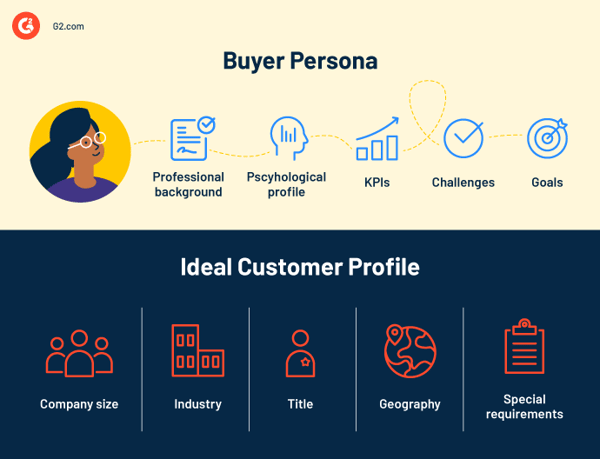
Start by defining your Ideal Customer Profile (ICP) in a way that reflects both demographic and behavioural indicators. Instead of relying solely on job titles, explore broader and more insightful criteria. Consider what stage the company is in, what their current priorities might be, and what common business problems they face in their industry. Add context by researching how they make decisions, what tools they already use, and whether they are growing, hiring, or expanding into new markets.
A well-defined ICP includes company size, industry vertical, region, tech stack, and business objectives. But beyond the basics, think about strategic triggers: Have they recently raised funding? Opened a new office? Post a job for a role you solve for? These signs indicate a business that could benefit from your offer and is more likely to respond.
Effective cold emailing depends on sending the right message to the right person at the right moment. If your ICP is well developed, your message will not feel generic. It will sound timely and relevant. Instead of just a sales email, it becomes a conversation starter anchored in the recipient’s context.
Teams that invest time upfront in refining their Ideal Customer Profile (ICP) typically see higher response rates and faster conversion times. It is not about more outreach. It is about smarter targeting.
A Clearbit study found that highly targeted email campaigns yield 2.7 times higher conversion rates. Knowing exactly who you are speaking to makes it easier to write an email that feels relevant.
Strategy 2: Write Subject Lines That Earn Attention
The subject line is the first thing your prospect sees. If it feels generic or pushy, it will be ignored.
Effective subject lines are concise, specific, and hint at the value they offer. They often read like internal messages or questions. According to data available from Gitnux, B2B emails with a subject line of at least 6 words have a 21% open rate.
Avoid sales buzzwords, exaggerated claims, or gimmicks. Instead, reference recent events, geographic expansion, or common pain points that are relevant to your audience.
For example: “Hiring data engineers in Berlin?” “Quick question about your Q3 roadmap. Expansion into APAC?”
These types of subject lines feel like messages from a peer, not a promotion. They mimic the tone and language of internal communication, often resembling something you might receive from a colleague or contact already in your network. This subtle familiarity makes the recipient more likely to open the message, as it does not trigger alarm bells associated with a sales pitch. In a crowded inbox, subject lines that avoid hype and instead show quiet relevance have a better chance of standing out. Even when sent cold, they signal that the sender has done their homework and is reaching out with intent, not just volume. This human tone is essential for B2B cold emailing that seeks to establish trust from the very first impression.
Strategy 3: Use a Simple, Logical Structure for Your Message
Once the email is opened, your message needs to do one thing: show that it is worth replying to.
A proven structure for a B2B cold email includes a few specific elements that together form a short, logical flow:
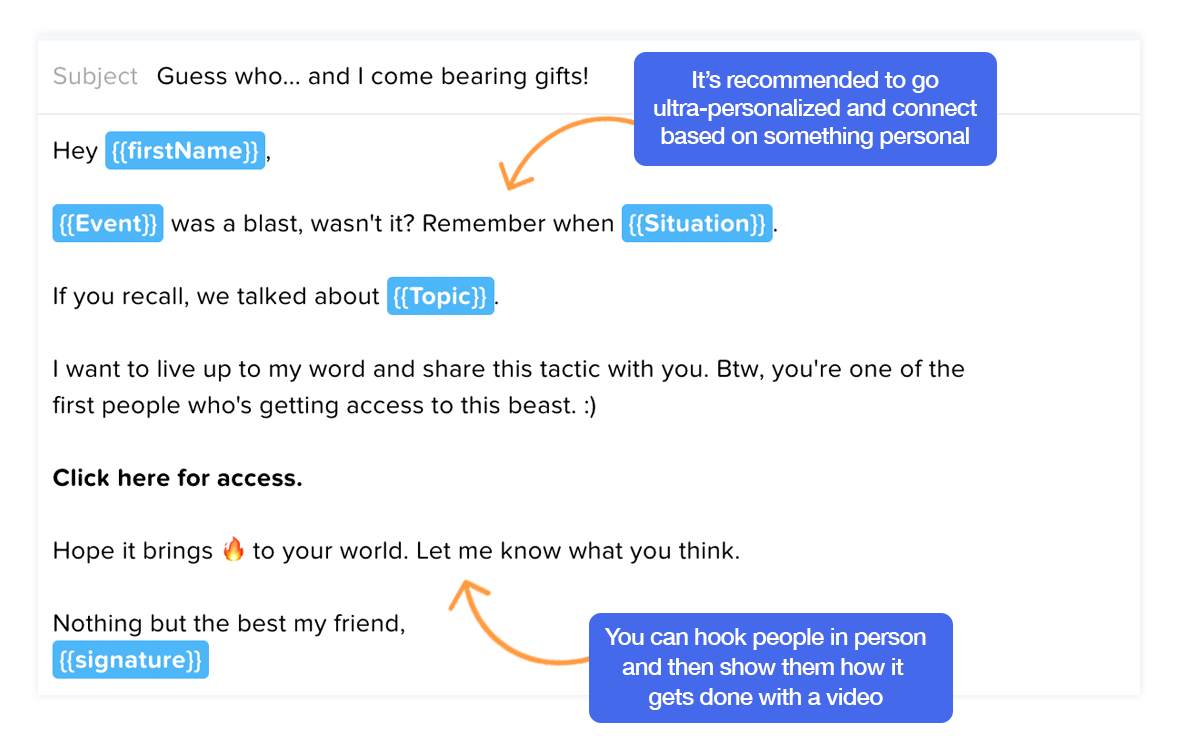
Start with a line that provides context or relevance. This could be a reference to something the recipient has done recently, such as a product launch, hiring announcement, or market expansion. It shows that you are not just guessing; you have done your research and have a real reason to reach out.
Next, present a brief value proposition that is framed entirely around the prospect’s needs. Avoid listing features. Instead, highlight how your solution addresses a challenge or goal specific to their role or company. The key here is simplicity and clarity; make it obvious why your message matters to them.
Finally, end with a soft, non-pushy call to action. This could be a suggestion for a short call, a request for feedback, or even a question that invites a low-commitment response. Make it feel like a natural next step, not a demand for their time.
This approach helps ensure that the email appears to have been written by a person, not a bot. It also respects the recipient’s attention and makes it easier for them to engage if they find it suitable.
This is not about being clever. It is about being clear.
According to Campaign Monitor, emails under 120 words consistently receive better response rates. Focus on quality, not quantity. Avoid attachments, jargon, or broad claims. A short message that feels like it was written by a real person is more likely to start a conversation.
Strategy 4: Send Follow-Ups That Add Value
The majority of replies happen after the first email. Research from Backlinko found that reply rates improved by over 60 per cent when follow-ups were included.
Follow-ups should never be aggressive reminders. Instead, each message should serve as an extension of the original email, providing new context or reframing the conversation in a more specific manner. A strong follow-up might reference a different pain point, ask a more targeted question, or provide a brief success story that reinforces your credibility. Another effective tactic is to send a short, value-driven resource, such as a blog post, guide, or industry insight, that aligns with the recipient’s role or interests. These follow-ups should always remain conversational and respectful of the recipient’s time. The tone matters: rather than sounding impatient, your follow-up should convey a helpful tone. Repeating the same message or sending reminders without added value will likely result in your email thread being archived or deleted. Smart follow-ups can nudge engagement by keeping your offer top of mind without creating pressure.
Spacing them across 10 to 21 days and varying the tone and time of day helps increase visibility without annoying the reader.
Strategy 5: Use Tools to Support Deliverability and Testing
Cold email tools can help you manage campaigns, schedule follow-ups, and monitor engagement. But tools should support strategy, not replace it.
Look for platforms that help you maintain deliverability, personalise messages, and A/B test subject lines and copy. Good tools include Instantly, Smartlead, Woodpecker, Mailshake, and Reply.io.
Before scaling, warm up your sending domain gradually to ensure strong deliverability. This involves sending a small number of emails per day to verified contacts, increasing the volume over a few weeks. Use a reputable warm-up tool if available, or schedule manually to ensure consistency. It is also essential to authenticate your domain using SPF, DKIM, and DMARC records, which reduce the risk of your emails being flagged as spam.
Next, thoroughly verify your contact data to avoid hard bounces. Email verification tools can check whether an address exists and is safe to send to. High bounce rates not only waste effort but also harm your sender’s reputation.
When it comes to formatting, keep your emails plain text or minimally styled. Avoid excessive images, graphics, or HTML code. Emails that look too polished or branded are more likely to be filtered as promotional content. Focus on clean, easy-to-read formatting with consistent font and spacing. A plain-text message that reads naturally is more likely to land in the primary inbox and receive a reply.
If your email appears to be an automated blast, it will be treated as such.

What Is the 30/30/50 Rule in Cold Emailing?
This rule breaks down the influence of each part of your cold email: 30 per cent comes from the subject line, 30 per cent from the opening line, 50 per cent from the rest of the message, and a call to action.
It emphasises the importance of making a good first impression. If your subject or opening line does not resonate, the rest of your message may never be read.
A Good Example of a Cold Email
Subject: Expanding your ops team in Southeast Asia?
Hi Sarah,
I noticed your company recently entered the Vietnamese market.
We work with companies expanding in the region to reduce launch delays by connecting them with vetted local operations partners.
Would a quick chat next week be helpful?
This email is concise, specific, and relevant. It respects the recipient’s time and makes it easy to say yes.
Frequently Asked Questions
- How do I send a professional cold email? Write clearly. Begin with a relevant observation, offer a concise value point, and conclude with a gentle request. Avoid templates or vague language.
- Can cold emailing still work in 2025? Yes. When targeted correctly and written with clarity, cold emails remain a top channel for B2B outreach. Cold emailing is particularly valuable for generating early-stage B2B leads and initiating B2B appointment setting.
- What tools help with B2B cold emailing? Popular tools include Instantly, Woodpecker, Smartlead, Mailshake, and Reply.io. They help with sequencing, personalisation, tracking, and testing.
- How is cold emailing different from spam? Cold emails are targeted and personalised with an apparent business reason. Spam is usually mass-sent, irrelevant, and lacks permission or value.
Putting It All Together
Cold emailing works when it feels like a conversation starter, not a sales pitch. Start with the right audience. Write like a person. Keep it short. Follow up thoughtfully.
For teams focused on B2B lead generation and appointment setting, cold emailing remains one of the most scalable and cost-efficient tools available.
In a noisy inbox, relevance and clarity are your best assets.
Share This Post
Recent Posts
What We Offer
Get Your Quote