

How We Generated 120 Meetings in 60 Days (Full Breakdown)
Generating B2B meetings in 2026 looks very different from what it did even two years ago.
Generating B2B meetings in 2026 looks very different from what it did even two years ago.
What used to be a volume-driven activity has become far more constrained. Buyers are harder to reach, inboxes are saturated, and most outbound messages are filtered before they are even seen. At the same time, AI-powered outreach has lowered the barrier to sending messages, meaning the average prospect now faces more noise, not less.
This shift has changed the economics of B2B lead generation.
Recent research from Gartner shows that B2B buyers now spend only 17% of their buying journey engaging with sales teams, with the majority of time spent independently researching solutions. For outbound teams, this creates a narrower window to capture attention and convert interest into a conversation.
At the same time, response rates across traditional outbound channels continue to decline. Data from Mailchimp indicates that average B2B email response rates remain below 10%, even as send volumes increase year over year. The issue is not channel availability. It is relevant.
As a result, simply increasing activity does not translate into more qualified meetings.
A growing number of teams are now shifting away from volume-based outreach and towards structured, multi-channel outbound strategies that prioritise timing, targeting, and message alignment. The difference is not marginal. It is structural.
That gap is what this breakdown focuses on.
Over a 60-day period, this campaign generated 120 qualified meetings through a coordinated outbound motion. The objective was not to test isolated tactics or rely on automation alone. It was to build a system where data quality, signal-based targeting, messaging precision, and SDR execution work together.
This is not a theoretical framework.
It is a performance-level breakdown of what actually drove meetings, where conversion happened, and how each part of the outbound engine contributed to the final outcome.
The rest of this report unpacks that system.
TL;DR
The 120 meetings generated over 60 days were not the result of higher activity. They came from a shift in how B2B outbound sales is executed.
Volume is no longer the differentiator. Precision is.
Teams relying on high-volume outreach continue to operate at low conversion rates, while structured outbound systems achieve significantly higher meeting rates with fewer touches.
AI is improving efficiency, not replacing SDRs.
Across most high-performing teams, AI is used to handle research, prioritisation, and workflow automation. The actual conversion still happens through human-led conversations.
Multi-channel outreach is required, not optional.
Single-channel strategies are increasingly ineffective. The 120 meetings came from coordinated touchpoints across cold calling, email, and LinkedIn, not isolated sequences.
Data quality directly impacts meeting conversion.
Better targeting reduced wasted outreach and increased the number of meaningful conversations. Fewer, higher-quality contacts produced more meetings than broad lists.
Timing and signal-based targeting outperform static lists.
Outreach aligned with buying signals and account activity consistently generated higher response and conversion rates than generic prospecting.
Meeting quality matters as much as meeting volume.
A significant portion of the 120 meetings converted into a real pipeline because they were booked with qualified accounts rather than calendar fills.
The 120 Meetings Breakdown
The 120 meetings generated over 60 days did not come from a single channel or a spike in activity. They came from a structured outbound system designed to maximise conversion per touch, not volume.
At a high level, the campaign was built on three variables:
- Target accounts: tightly defined based on ICP fit
- Multi-channel outreach: coordinated across phone, email, and LinkedIn
- Consistent SDR execution: focused on conversations, not just activity
Campaign Snapshot
Over the 60-day period, the outbound motion operated with the following structure:
- Total accounts targeted: ~1,800
- Total contacts engaged: ~3,200
- Average touches per contact: 4–5
- Total outreach actions: ~14,000–16,000
From this activity:
- 120 qualified meetings were booked
- ~85–90% of meetings were held
- Average meetings per week: 14–16
This is where the distinction becomes important.
The goal was not to maximise outreach volume. It was to increase the number of meaningful conversations with accounts that had a realistic probability of converting into the pipeline.
How Meetings Were Generated
The 120 meetings were not evenly distributed across channels. They were the result of layered touchpoints, in which channels supported one another rather than operating independently.
A simplified breakdown:
- Cold calling acted as the primary conversion driver
- Email supported context and follow-up
- LinkedIn reinforced familiarity and credibility
In most cases, meetings were not booked on the first touch.
They were booked after 2–4 interactions, where the prospect had already:
- Seen the company name
- Recognised the message
- Understood the relevance
This is why multi-channel sequencing played a central role.
Conversion Efficiency
What made this campaign effective was not just the number of meetings, but how efficiently they were generated.
Instead of broad outreach, the system focused on:
- Fewer accounts
- Better-fit contacts
- Higher-quality interactions
This resulted in:
- Higher reply and connect rates
- Shorter time to conversation
- More consistent meeting conversion
In practical terms, this meant each SDR could generate more meetings without increasing daily activity levels.
What This Indicates
The breakdown highlights a clear shift in B2B lead generation:
- More outreach does not guarantee more meetings
- Better targeting and sequencing increase conversion
- Conversations, not clicks or opens, drive pipeline
The 120 meetings were not the result of isolated tactics.
They were the result of a system in which data, timing, and execution were aligned.
Channel Performance Analysis
The 120 meetings came from a coordinated outbound system, where each channel played a specific role in moving prospects towards a conversation.
What stands out is not just which channels were used, but how they were combined.
Cold calling was the primary driver of meeting conversion.
Across the campaign, a significant share of meetings originated from phone conversations rather than written responses. This aligns with broader industry trends. Research from the MARTAL Group shows that 49% of buyers prefer to be contacted by phone during the early stages of the sales process, particularly when the outreach is relevant and targeted.
However, performance varied depending on execution.
Low-performing teams typically treat cold calling as a volume activity. High-performing teams treat it as a targeted conversion channel.
In this campaign:
- Calls were prioritised based on account fit and timing
- SDRs focused on short, direct openings
- Conversations were structured to qualify quickly rather than pitch early
This reduced wasted calls and increased the likelihood of reaching relevant decision-makers for the offer.
The result was not just more connections, but more meaningful conversations per call block.
Email played a supporting role rather than acting as the primary conversion channel.
While it contributed to awareness and context, very few meetings were booked directly from a single email. This reflects broader patterns across B2B outreach. Data from Campaign Monitor indicates that B2B email reply rates often range from 2-5%, which is considered good depending on your industry.
In this campaign, email was used to:
- Reinforce messaging after a call attempt
- Provide context before outreach
- Follow up on initial conversations
Emails were kept concise and focused on relevance rather than detail. The objective was not to close over email, but to increase familiarity and reduce friction before a call.
This shift in role is important.
Email alone rarely drove meetings, but it improved conversion when combined with other channels.
LinkedIn functioned as a credibility layer within the outbound sequence.
It was not used as a primary outbound engine, but as a way to:
- Increase recognition
- Validate the sender
- Support ongoing outreach
Connection requests and profile views created a level of familiarity that made subsequent calls and emails more effective.
This aligns with findings from LinkedIn, which show that multi-touch engagement across LinkedIn and email increases the likelihood of response compared to single-channel outreach.
In practice, this meant that prospects were often aware of the company or SDR before a direct conversation took place.
Multi-Touch Cadence
The most important factor was not the individual performance of each channel, but how they worked together.
The campaign followed a structured 4–5 touch cadence, typically across:
- Phone
Rather than spacing these out randomly, touches were sequenced to build familiarity over a short timeframe.
A typical pattern looked like:
- Day 1: Call + LinkedIn view
- Day 2: Email follow-up
- Day 4: Call attempt
- Day 6: LinkedIn interaction
- Day 8: Final follow-up
Meetings were rarely booked on the first touch.
Most conversions occurred after multiple exposures, in which the prospect had already seen the name, message, or context at least once before engaging.
What This Shows
The channel breakdown highlights a clear shift in outbound strategy:
- No single channel is sufficient on its own
- Conversion happens through repeated, coordinated exposure
- Phone remains the strongest driver of meetings when supported correctly
The 120 meetings were not generated by increased activity in a single channel.
They were generated by aligning channels into a system that increased the probability of a conversation at each step.
What Actually Drove Meetings
The 120 meetings were a combination of factors that improved conversion at each stage of the outbound process. When broken down, four variables had the most direct impact on meeting generation.
Data Quality
The single biggest driver of performance was data quality.
Instead of working from broad, static lists, the campaign focused on:
- Verified contact details
- Role-specific targeting
- Accounts with clear alignment to the offer
This reduced wasted outreach and increased the likelihood of reaching decision-makers directly.
Research from ZoomInfo highlights that poor data quality can cost organisations up to 25% of revenue through inefficiencies and missed opportunities. In outbound sales, that impact shows up as:
- Unanswered calls
- Bounced emails
- Conversations with the wrong stakeholders
By tightening data inputs, the campaign improved connection rates before any messaging was even delivered.
Targeting Precision
The second factor was targeting precision.
Rather than expanding the total addressable market, the campaign narrowed its focus to accounts that:
- Matched the ideal customer profile
- Showed signs of relevance
- Were more likely to convert within a shorter timeframe
This shift from broad targeting to focused segmentation meant fewer contacts were needed to generate each meeting.
Instead of asking “How many people can we reach?”, the system prioritised “Which accounts are most likely to respond now?”
That change alone increased the efficiency of every channel used.
Timing and Signals
Timing played a critical role in meeting conversion.
Outreach was not random or purely list-based. It was aligned with signals such as:
- Recent activity within the account
- Hiring trends
- Market movements
- Engagement across channels
This approach reflects a broader shift in outbound strategy. According to McKinsey & Company, companies that leverage behavioural and intent signals from AI can improve customer satisfaction by 15–20%.
In practice, this meant:
- Fewer cold conversations
- More relevant entry points
- Shorter paths to qualification
Prospects were more receptive because the outreach aligned with something already happening in their environment.
Message Relevance
Message quality mattered, but not in the way most teams approach it.
The campaign did not rely on long-form personalisation or heavily customised emails. Instead, messaging focused on:
- Clear relevance to the prospect’s role
- Specific problems, not generic value propositions
- Direct and concise communication
This reduced friction in early interactions.
Prospects did not need to interpret or decode the message. They could quickly decide whether it was relevant, which increased response and engagement rates.
Execution Consistency
Finally, SDR execution tied everything together.
Even with strong data and targeting, inconsistent execution would have reduced performance. The campaign maintained:
- Structured daily activity
- Consistent follow-up across channels
- Focus on conversations rather than tasks
This ensured that opportunities were not lost between touches.
Execution was not about increasing effort. It was about maintaining discipline across the system, so each part of the outbound motion worked as intended.
What This Means
When combined, these factors created a compounding effect:
- Better data improved connection rates
- Better targeting reduced wasted outreach
- Better timing increased receptiveness
- Better messaging improved engagement
- Better execution ensured follow-through
The result was not just more meetings, but more predictable meeting generation.
This is the difference between activity-driven outbound and system-driven outbound.
The 120 meetings were not driven by one tactic.
They were driven by alignment across every stage of the process.

AI’s Role in This Campaign
AI played a role in generating the 120 meetings, but it was not the driver.
It improved efficiency across the system. It did not replace SDR execution or the need for real conversations.
The distinction is important.
Where AI Added Value
AI was primarily used to reduce the amount of time spent on low-value tasks.
This included:
Account research
AI tools were used to summarise company context, recent activity, and potential relevance before outreach. This reduced preparation time per account without removing the need for human judgment.
List prioritisation
Instead of working through static lists, AI-supported workflows helped identify which accounts were more likely to engage based on available signals.
Message structuring
AI assisted in drafting initial outreach frameworks, but messages were refined to ensure they aligned with the specific context of each segment.
Workflow automation
Follow-ups, task reminders, and sequencing were partially automated to maintain consistency across the campaign.
According to Salesforce, sales teams using AI report productivity gains of over 30%. In practice, those gains come from removing manual work rather than replacing human interaction.
Where AI Did Not Contribute
AI did not generate meetings on its own.
It did not:
- Run live conversations
- Handle objections in real time
- Qualify prospects during calls
- Build trust with decision-makers
These parts of the process remained entirely dependent on human interaction.
Even with strong automation, conversion still happened during conversations.
AI as an Efficiency Layer
The practical impact of AI in this campaign was straightforward.
It allowed SDRs to:
- Spend less time preparing
- Spend less time on repetitive tasks
- Spend more time in actual conversations
That shift increased the number of high-quality interactions per day, without increasing overall activity levels.
Instead of scaling outreach volume, AI helped improve output per hour.
The Balance Between AI and Human Execution
The campaign worked because it maintained a clear balance:
- Humans handled communication and conversion
This reflects a broader shift in B2B outbound sales.
AI is becoming standard across:
- Data enrichment
- Research
- Workflow management
But the point of differentiation is still:
- Who you speak to
- When you reach them
- How the conversation is handled
The 120 meetings were generated through human-led conversations, supported by better inputs and more efficient workflows.
SDR Execution Layer
The 120 meetings were generated through consistent SDR execution.
This is where most outbound systems break down. Even with strong targeting and structured sequences, inconsistent execution reduces conversion across every stage.
In this campaign, execution was treated as a controlled variable rather than an assumption.
Daily Activity Structure
Each SDR followed a defined daily structure focused on conversation output rather than on activity volume alone.
A typical day included:
- 60–80 call attempts
- 30–40 emails sent or follow-ups
- 20–30 LinkedIn actions (views, connections, light engagement)
This was not excessive activity. It was structured to maintain consistency without reducing quality.
The difference was in how this activity was distributed.
Instead of batching tasks randomly, time was split into focused blocks:
- Call blocks prioritised during high-connect windows
- Email and LinkedIn are used between call sessions
- Follow-ups handled systematically, not reactively
This ensured that outreach remained continuous and coordinated, rather than fragmented.
Call Execution
Cold calling was the most sensitive part of the execution.
The approach avoided long introductions or scripted pitches. Instead, SDRs focused on:
- Short, direct openings
- Clear reason for the call
- Early qualification
Calls were treated as qualification conversations, not presentations.
This reduced drop-offs early in the call and increased the likelihood of progressing to a meeting.
Across high-performing teams, this pattern is consistent. According to RAIN Group, top-performing sellers are more likely to prioritise conversations over pitching early in the sales process.
In practice, this meant:
- Asking questions early
- Avoiding unnecessary detail
- Moving quickly to relevance
Follow-Up Discipline
A significant portion of meetings was due to follow-ups rather than first-touch interactions.
This is where consistency mattered most.
Follow-ups were:
- Pre-planned within the sequence
- Aligned across channels
- Timed to maintain visibility without creating fatigue
Many outbound teams drop off after 1–2 attempts. In this campaign, contacts were consistently worked through 4–5 structured touches, increasing the likelihood of eventual engagement.
The focus was not persistence for its own sake, but timed re-engagement.
Conversation Focus
The objective of each interaction was not to “sell”.
It was to:
- Confirm relevance
- Identify potential fit
- Secure the next step
This simplified the role of the SDR.
Instead of managing complex discussions, they focused on:
- Clarity
- Relevance
- Progression
This also improved meeting quality.
Prospects who agreed to meetings had already:
- Understood the context
- Acknowledged relevance
- Shown initial interest
This increased the likelihood that meetings would be held and that progress would be made.
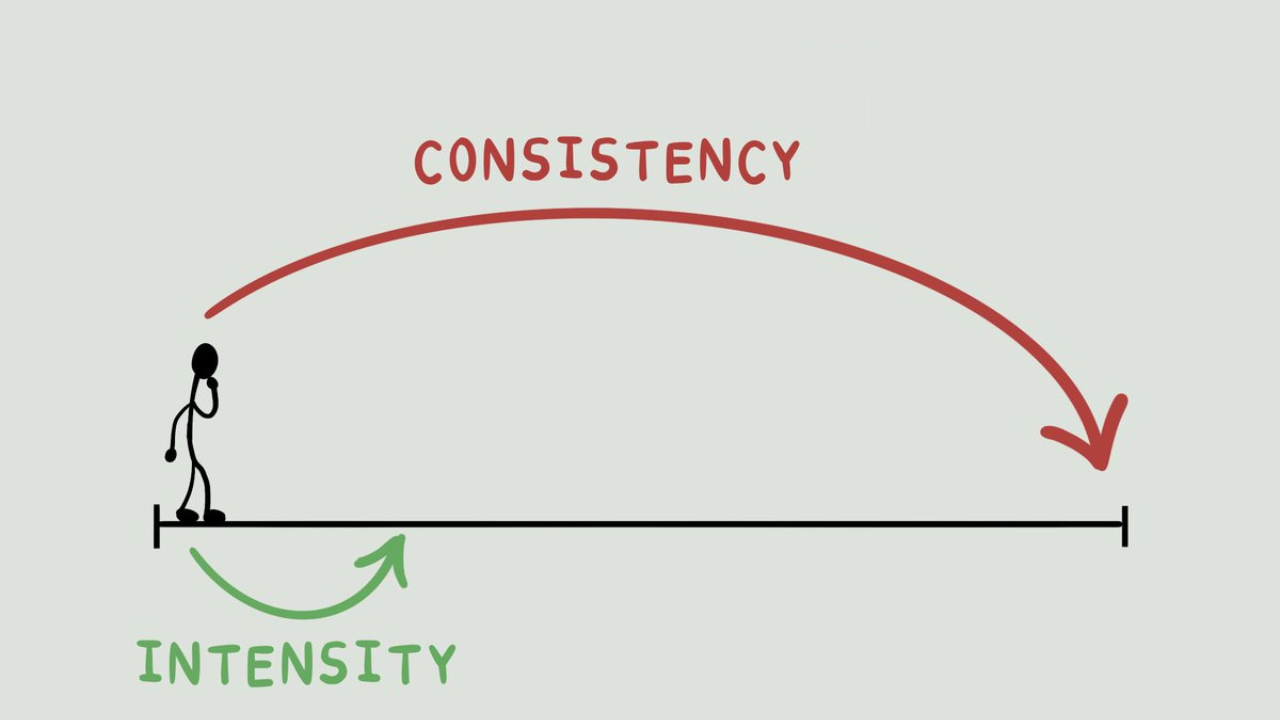
Consistency Over Intensity
One of the key factors behind the 120 meetings was consistency over time.
Performance did not come from spikes in activity. It came from maintaining:
- Daily outreach discipline
- Structured follow-ups
- Stable activity levels
This reduced variability in results.
Rather than unpredictable bursts of meetings, the campaign produced a steady flow of weekly meeting output.
Conversion Metrics
The success of the campaign is not defined by the 120 meetings alone.
It is defined by how efficiently those meetings were generated and how many were translated into a real pipeline.
This is where most outbound reporting falls short. Activity metrics are often highlighted, but conversion metrics are what determine whether an outbound system is actually working.
Meeting Conversion
Over the 60-day period:
- 120 qualified meetings were booked
- Outreach was distributed across ~3,200 contacts
- Average touches per contact: 4–5
This places the overall conversion rate in the range of 3–4% from contact to meeting.
At a surface level, this may appear aligned with industry benchmarks. However, the key difference lies in how those meetings were generated.
Instead of relying on high-volume outreach, the campaign achieved this conversion through:
- Targeted account selection
- Multi-channel sequencing
- Structured follow-ups
This reduced wasted activity and increased the proportion of contacts that progressed to a conversation.
Meetings Held Rate
One of the most important metrics in the campaign was the meeting-holding rate.
~85–90% of booked meetings were attended
This is significantly higher than what many outbound teams experience, where no-show rates can reduce the pipeline’s actual impact.
According to Gong, teams that qualify prospects properly before booking see significantly higher meeting attendance rates.
In this campaign, meetings were not booked prematurely.
Each meeting was:
- Contextually set
- Clearly positioned
- Relevant to the prospect
This reduced drop-offs between booking and attendance.
Conversation to Meeting Ratio
Another key indicator was how many conversations translated into meetings.
Rather than measuring success based on:
- Calls made
- Emails sent
The campaign focused on:
- Conversations initiated
- Meetings generated from those conversations
This reflects a shift in B2B outbound strategy, where conversations are treated as the primary point of conversion.
In practical terms:
- Fewer conversations were needed per meeting
- Each conversation had a higher probability of progressing
This improved overall efficiency.
Pipeline Impact
Meetings alone do not create revenue. Pipeline does.
While exact pipeline figures vary based on deal size and conversion rates, the structure of this campaign ensured that:
- Meetings were booked with qualified accounts
- SDRs filtered out low-fit prospects early
- AEs received conversations with context already established
This increased the likelihood of meetings progressing into:
- Opportunities
- Pipeline
- Revenue
According to McKinsey, companies that improve lead qualification and prioritisation can increase sales productivity by 20–30%.
Efficiency Per SDR
One of the most practical outcomes of the campaign was the improvement in output per SDR.
Instead of increasing activity, SDRs were able to:
- Generate more meetings from the same level of effort
- Spend more time in conversations rather than preparation
- Maintain consistent weekly performance
This is where the model becomes scalable.
Rather than adding headcount to increase output, the system increases conversion per rep.
Where Most Teams Go Wrong
The difference between generating 120 meetings and struggling to fill a pipeline is rarely about effort.
Most teams are already active. They are sending emails, making calls, and running sequences. The gap comes from how that activity is structured.
Across most B2B outbound sales teams, the same patterns recur.
Volume Over Precision
A common mistake is relying on volume as the primary lever.
Teams increase:
- Number of contacts
- Number of emails
- Number of calls
But conversion does not improve.
This is because outreach is not aligned with:
- Account relevance
- Timing
- Buyer context
According to Gartner, B2B buyers spend only 17% of their time meeting with suppliers, meaning most outreach competes for a very limited window of attention.
Without precision, higher volume simply increases noise.
Generic Messaging
Another issue is message quality, but not in the way most teams think.
The problem is not that messages are poorly written. It is that they are too generic.
Common patterns include:
- Broad value propositions
- Overly long emails
- Lack of role-specific relevance
This forces prospects to interpret the message rather than immediately recognise its relevance.
As a result, even well-written outreach fails to generate responses.
Over-Reliance on Single Channels
Many teams still treat channels in isolation.
- Email campaigns run independently
- Calls are made without context
- LinkedIn is used inconsistently
This reduces the overall effectiveness of outreach.
Research from McKinsey shows that companies using hybrid sales lead to up to 50% more revenue.
Without coordination, each channel operates at a lower baseline performance.
Weak Follow-Up Discipline
A large proportion of missed opportunities comes from inconsistent follow-up.
Many teams:
- Stop after one or two touches
- Follow up without structure
- Fail to connect outreach across channels
This results in lost visibility and missed conversations.
In contrast, structured sequences maintain presence without overwhelming the prospect.
Activity Without Conversion Focus
Another common issue is measuring the wrong metrics.
Teams optimise for:
- Emails sent
- Calls made
- Tasks completed
Instead of:
- Conversations initiated
- Meetings generated
- Pipeline created
This creates a false sense of progress.
High activity does not necessarily lead to high conversion.
Misuse of AI
AI adoption has increased, but its application is often misaligned.
Many teams use AI to:
- Generate more emails
- Automate sequences
- Increase outreach volume
This amplifies existing inefficiencies rather than solving them.
According to Salesforce, 81% of sales teams are using or experimenting with AI, but adoption alone does not guarantee better results.
Without strong data, targeting, and execution, AI simply increases output without improving outcomes.
FAQ
What is B2B lead generation?
B2B lead generation is the process of identifying and engaging potential business customers to convert them into sales opportunities. It involves activities such as outbound outreach, inbound marketing, and qualification.
What is an SDR pipeline?
An SDR pipeline is the structured process Sales Development Representatives use to generate and qualify leads before passing them to Account Executives. It includes prospecting, outreach, follow-ups, and meeting booking.
How many touches are needed to book a meeting?
Most B2B meetings are booked after 3–5 touches across multiple channels, rather than a single interaction. Consistent follow-up and multi-channel outreach significantly improve conversion rates.
What is a good cold calling success rate?
A typical cold-calling success rate ranges from 2–5% for most teams, while high-performing outbound teams can achieve significantly higher conversion rates through better targeting and execution.
How does AI help B2B outbound sales?
AI supports outbound sales by improving:
- Account research
- Lead prioritisation
- Workflow automation
However, human-led conversations remain critical for converting prospects into meetings.
What is appointment setting in B2B sales?
Appointment setting is the process of securing meetings between potential buyers and sales representatives. It focuses on qualifying interest and creating opportunities for deeper sales conversations.
What is multi-channel outreach?
Multi-channel outreach involves engaging prospects across multiple platforms such as phone, email, and LinkedIn. This increases visibility and improves the likelihood of response compared to single-channel strategies.
Why is data quality important in lead generation?
High-quality data ensures that outreach reaches the right decision-makers. According to Actian, employees spend 27% of their working time correcting bad data, making it a critical factor in outbound success.
How do you improve meeting conversion rates?
Meeting conversion improves when:
- Targeting is precise
- Messaging is relevant
- Outreach is timed correctly
- Follow-ups are consistent
Conversion is driven more by alignment than volume.
What is sales outsourcing?
Sales outsourcing is the practice of using an external team to handle parts of the sales process, such as lead generation, appointment setting, or full outbound execution.
How do you generate B2B leads in 2026?
Generating B2B leads in 2026 requires:
- Structured outbound systems
- Multi-channel engagement
- AI-supported workflows
- Strong data and targeting
Volume-based outreach alone is no longer effective.
What is the difference between leads and meetings?
Leads are potential prospects who have shown some level of interest. Meetings are confirmed conversations with qualified prospects, making them a stronger indicator of pipeline potential.
Final Note
The outcome of this campaign was 120 meetings.
The more important outcome was understanding what made those meetings possible.
Most outbound teams are not short on tools or channels. They are short on structure. Activity is high, but conversion remains inconsistent because the underlying system is misaligned.
This breakdown shows that improving B2B lead generation is not about increasing effort. It is about improving how that effort is applied.
When data quality, targeting, multi-channel outreach, and SDR execution are aligned, outbound becomes predictable. Meetings are not dependent on individual performance or isolated tactics. They become the natural output of a well-structured system.
That is the difference.
If your outbound motion is already active but not producing consistent meetings, the gap is usually not volume. It is a conversion.
And conversion is always a system problem.
If you are looking to evaluate how your current outbound approach compares or where conversion is breaking down, it is worth stepping back and reviewing the structure behind it.
Because once the system is right, the results follow.
Book a call with Konsyg today, so your business too has more qualified meetings and not just a lead list.
Share This Post
Table of Contents
Recent Reports
Learn More