

Managing your sales pipeline effectively is like keeping your garden in top shape. You wouldn’t let weeds overrun your flowers, right? The same goes for your sales pipeline. It needs regular attention and care. Without proper management, deals can slip through the cracks, and opportunities can be lost. That’s why best practices for sales pipeline management are crucial for success.
Imagine you’re running a sales team. Every lead that enters your pipeline is a potential plant in your garden. Effective pipeline management lets you track each lead’s progress, ensuring everything is noticed. It’s the difference between a flourishing garden and a withering one.
Here’s a glimpse of what we’ll cover:
- Precise definitions of sales stages
- Regular updates to keep the pipeline fresh
- Leveraging CRM tools
- Proper lead qualification
- Focusing on high-value deals
We’ll dive into each of these practices and more, offering practical tips and strategies to help you maintain a healthy, productive sales pipeline. So, let’s get started and turn your pipeline into a thriving garden of success!
1. Define Your Sales Stages Clearly
Clearly defined sales stages are one of the best practices for sales pipeline management. Why? They help everyone on your team know exactly where each deal stands. Imagine trying to bake a cake without a recipe—chaos, right? The same goes for your sales process without defined stages.
Typical sales stages might include:
- Lead generation
- Initial contact
- Qualification
- Proposal
- Negotiation
- Closed/won or lost
These stages act as checkpoints, ensuring every deal moves forward smoothly. Clear stages make it easy to track progress and spot where deals might get stuck. This clarity helps you focus your efforts where needed, boosting efficiency. Our sales outsourcing company considers this crucial for our clients and B2B prospects to stay organized and productive.
2. Regularly Update Your Pipeline
Regular sales pipeline updates are like oil changes for your car; neglect them, and things break down. Keeping your pipeline current is a must for effective sales management. One critical reason for frequent updates is to ensure you clearly understand where each lead stands. This clarity helps in making timely decisions and avoids any surprises.
Benefits? They’re plenty. A current pipeline means you can quickly identify stalled deals and take action. It helps accurately forecast and keeps your sales team on the same page.
Simple ways to ensure regular updates include:
- Setting a routine for your team to review and update the pipeline weekly.
- Using CRM tools that prompt you for updates.
- Make it a habit to update the pipeline after every significant interaction with a prospect.
These practices are part of the best practices for sales pipeline management and are crucial for keeping your sales process smooth and efficient. Regular updates make your sales pipeline a reliable tool rather than a dusty old roadmap.
3. Use CRM Tools
Using CRM tools can revolutionize your sales pipeline management. These tools help you track and manage every interaction with your leads and customers. Imagine trying to remember every detail about each prospect without a system in place—sounds chaotic, right?
CRM tools simplify this by organizing all your data in one place. They help you see where each lead is in your pipeline, remind you of follow-ups, and track your sales team’s performance. It’s like having a personal assistant that never sleeps. The benefits of using CRM tools include improved lead management, better customer relationships, and increased sales. They can be a game-changer for your sales pipeline management, and options are available for businesses of all sizes and budgets.
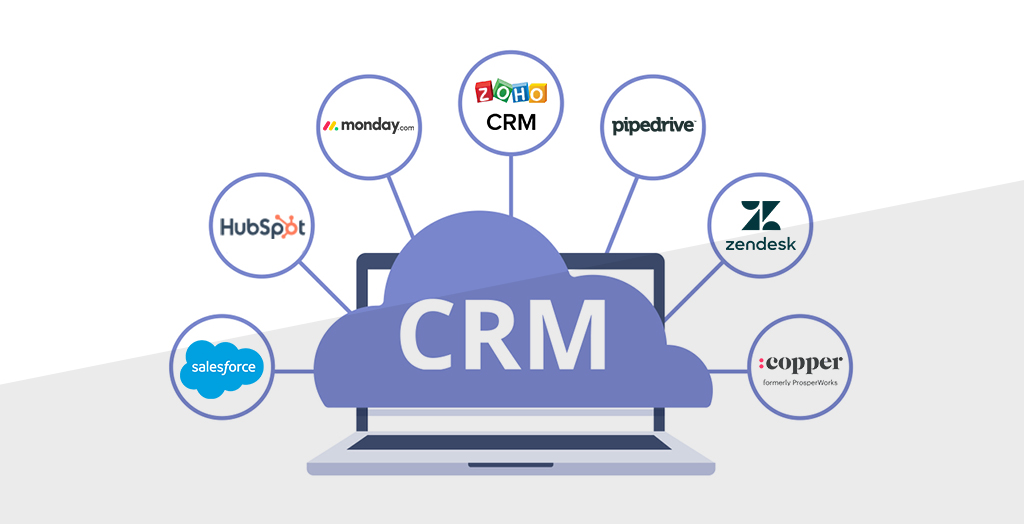
Here are a few CRM tools perfect for small to medium businesses:
- HubSpot CRM: User-friendly and free to start with, great for growing businesses.
- Salesforce: Robust features for deeper customization, ideal for businesses with more complex needs.
- Zoho CRM: Affordable and highly customizable, perfect for small businesses looking for flexibility.
Incorporating these tools is one of the best practices for sales pipeline management. They ensure you always catch up with your leads, boosting sales success.
4. Qualify Your Leads Properly
Proper lead qualification is a game-changer in sales. You don’t want to waste time on leads that won’t convert, so it’s crucial.
Here’s why it matters:
- It helps you focus on the right prospects.
- Saves time and resources.
- Increases your chances of closing deals.
Think about it: you wouldn’t chase every fish in the sea, just the ones worth catching. Similarly, you need to set clear criteria for qualifying leads.
Consider factors like:
- Budget
- Decision-making authority
- Needs and pain points
- Purchase timeline
Using tools and techniques can make this process smoother. CRM software can track and score leads based on these criteria. Automated emails and surveys can gather the information you need. Implementing these best practices for sales pipeline management will help you identify and focus on the leads most likely to convert, ensuring your efforts are always well spent.
5. Focus on High-Value Deals
Focusing on high-value deals is essential in sales pipeline management. Start by identifying which deals are high-value. Look at potential revenue, long-term benefits, and strategic importance. These are the deals worth your time and resources.
- Prioritize your efforts. Make sure your best salespeople are working on these deals.
- Use data to understand which deals have the highest potential. Check past performance, industry trends, and client needs.
- Balancing high-value deals with smaller ones is crucial. While high-value deals can generate significant revenue, smaller deals keep the pipeline moving and provide steady income. You can allocate some of your team’s time to high-value deals and the rest to smaller ones to balance these. This ensures a robust and healthy pipeline. Best practices for sales pipeline management include balancing your efforts to maximize overall success.
Focusing on high-value deals and managing smaller ones ensures a robust and healthy pipeline.
6. Set Realistic Sales Targets
Setting realistic sales targets is essential. It ensures your team stays motivated and on track. Unrealistic goals can lead to burnout and disappointment.
Here’s how to set achievable goals:
- Assess your past performance: Look at historical data to understand what’s achievable.
- Know your market: Consider market conditions and industry trends.
- Involve your team: Get input from your sales team; they know what’s realistic.
Monitoring progress toward targets is equally important. Regular check-ins help you stay on course and make adjustments if needed. Use CRM tools to track progress and keep everyone accountable. This is one of the best practices for sales pipeline management, ensuring steady growth and consistent success.
7. Track Key Metrics
Tracking key metrics is crucial for managing your sales pipeline effectively. You might miss opportunities or overlook issues without looking for the right numbers. Here are the essential metrics to track:
- Conversion rates at each stage.
- Average deal size.
- Sales cycle length.
- Pipeline value.
Monitor these metrics using CRM systems, Google Analytics, or sales management software. These tools help you monitor progress, identify trends, and spot red flags.
Metrics aren’t just numbers. They help you make informed decisions, adjust strategies, and focus your efforts where it matters most. You can improve your sales process and achieve better results by tracking key metrics. This is one of the best practices for sales pipeline management that ensures you’re always on top of your game.
8. Regular Pipeline Reviews
Regular pipeline reviews are essential for maintaining a transparent and efficient sales process. Conduct these reviews at least once a week. This frequency helps you stay on top of new developments and catch any issues early. Regular reviews ensure your team is aligned and working toward the same goals.
These reviews have several benefits. They help identify bottlenecks in your process, provide insights into the performance of individual team members, and allow for adjustments in strategy based on current data. You can make informed decisions and keep deals moving forward by closely monitoring the pipeline.
Steps for an effective pipeline review include:
- Start by gathering all relevant data from your CRM.
- Review each deal’s status and identify any stalled opportunities.
- Discuss any challenges or roadblocks with your team.
- Adjust priorities and assign tasks to address issues.
- Set clear action items and follow-up dates to ensure progress.
Following these steps regularly will keep your sales pipeline healthy and productive. Our sales outsourcing company emphasizes best practices for sales pipeline management to help our clients achieve consistent growth and success.
9. Nurture Relationships
Building strong relationships is crucial for sales success. When you nurture relationships with leads, they are more likely to trust you and move forward in the sales process. Here are some techniques to keep in mind:
- Regular Communication: Stay in touch with your leads through emails, calls, or social media. Consistent communication shows that you care and keeps you on their radar.
- Personalization: Tailor your messages to address each lead’s needs and interests. This will make your interactions more meaningful and relevant.
- Provide Value: Share helpful information, tips, or insights to help your leads solve problems or improve their business. This positions you as a valuable resource.
Strong relationships lead to better sales outcomes because leads feel valued and understood. They are more likely to engage with you and ultimately make a purchase. Incorporating relationship-building into your best practices for sales pipeline management can significantly enhance your sales results.
10. Keep Communication Open
Open communication is vital for a smooth sales process. It helps everyone stay on the same page, avoiding misunderstandings and missed opportunities.
Best practices for keeping communication open:
- Regular check-ins with your team.
- Clear and concise updates to clients.
- Encouraging feedback from all parties.
Using the right tools can make a big difference. CRM systems, Slack, and email platforms keep everyone connected.
Incorporating these strategies into your sales pipeline management ensures everyone knows what’s happening. It’s one of the best practices for sales pipeline management, ensuring no detail slips through the cracks. This approach helps maintain strong relationships and keeps the sales process running smoothly, which is crucial for success in any sales outsourcing company.
11. Train Your Sales Team
Training your sales team is essential. Continuous learning keeps your team sharp and ready for any challenge. Here’s why training matters and where to focus:
First, it’s all about development. Training equips your team with the latest skills and knowledge, ensuring they stay ahead of the competition. This is a core part of best practices for sales pipeline management.
Key areas to focus on:
- Product knowledge: They must understand what they’re selling.
- Sales techniques: Effective selling strategies make a huge difference.
- Customer relationship management: Building and maintaining strong client relationships is crucial.
Ongoing training programs bring many benefits. They boost team morale, increase productivity, and ensure everyone is on the same page. Plus, a well-trained team is more confident and effective, directly impacting your bottom line.
Keeping these training practices in mind helps maintain a robust sales pipeline, ensuring consistent growth and success.
12. Implement a Follow-Up Strategy
Follow-up is crucial in sales. It’s the difference between closing a deal and losing a prospect. Consistent follow-ups keep your leads engaged and show them you’re interested. Effective follow-up techniques include timely emails, phone calls, and personalized messages. Use these methods to stay on top of your leads’ minds.
Several tools can help manage follow-ups efficiently. CRM systems like Salesforce and HubSpot offer automated reminders and track communication history. Email marketing platforms like Mailchimp can schedule follow-up emails, ensuring every lead is remembered. Implementing these tools and techniques is one of the best practices for sales pipeline management, ensuring you nurture every lead to its fullest potential.
13. Use Data to Drive Decisions
One of the best practices for sales pipeline management is using data to drive decisions. Data helps you understand what’s working and what’s not. Focus on the suitable types of data to make informed decisions.
Key data points include:
- Lead conversion rates
- Average deal size
- Sales cycle length
By analyzing this data, you can spot trends and identify bottlenecks in your pipeline. For instance, if you notice a drop in conversion rates, it might be time to reassess your lead qualification process. Or if deals are taking too long to close, you should streamline your sales process.
Use data to set realistic targets, track progress, and adjust as needed. This ensures your pipeline stays healthy and productive. When data drives your decisions, you can optimize every stage of the sales process, making your pipeline more efficient and effective. This is essential for any sales outsourcing company looking to stay competitive in today’s market.
14. Automate Routine Tasks
Automating routine tasks can make a big difference in sales. It saves time and reduces errors, allowing your team to focus on closing deals. Think about the repetitive tasks you do every day. These include sending follow-up emails, updating customer information, or scheduling meetings. Automation tools can handle these tasks for you, improving efficiency and consistency.
Some everyday tasks that can be automated are:
- Sending out email sequences to prospects
- Updating CRM entries when a lead moves to a new stage
- Scheduling follow-ups and reminders
You can automate these processes using tools like HubSpot, Salesforce, and Zapier. These tools integrate well with your existing systems and make it easy to set up automation rules. By implementing these best practices for sales pipeline management, you ensure that your team spends more time selling and less time on admin work.
15. Continuously Improve Your Process
Continuously improving your process is essential for staying ahead in sales. You can’t just set up your pipeline and forget about it. Collecting feedback from your sales team and clients helps you identify what’s working and what isn’t.
- Ask your team for their insights regularly.
- Use surveys or direct conversations to gather client feedback.
- Look at the data to spot trends or issues.
Once you have the feedback, make the necessary changes. Implement these changes step by step and monitor their impact.
- Track key metrics to see if the changes improve performance.
- Be ready to adjust again if needed.
One of the best practices for sales pipeline management is constantly refining your approach. This keeps your sales process efficient and effective, ensuring you meet your goals and satisfy your clients.
Conclusion
We’ve covered some essential best practices for sales pipeline management. From defining clear sales stages and using CRM tools to regular pipeline reviews and automating tasks, these steps can help streamline your sales process and boost your success.
Now, it’s time to implement these practices. They can make a real difference in how effectively you manage your sales pipeline.
If you need help or want to ensure you’re on the right track, our sales outsourcing company is here to assist. Contact us today to learn how we can support your sales efforts and help you achieve your goals.
Share This Post
Recent Posts
What We Offer
Get Your Quote