

Email marketing remains one of the most cost-effective and high-impact ways to generate B2B leads. Despite the rise of social and messaging platforms, email consistently delivers when it comes to building relationships, sharing personalised messaging, and guiding prospects through the sales funnel.
According to HubSpot, 77% of B2B marketers utilise email newsletters as part of their content strategy, and 64% claim that email is their most effective channel for lead generation.
Campaign Monitor also reports that the average ROI for email marketing is $42 for every $1 spent. This makes email not only powerful but also cost-effective for companies seeking qualified leads.
With the right tools, you can create personalised emails that speak to a targeted audience, avoid spam folders, and track performance metrics like bounce rate, unsubscribe rate, and open rate—all critical to refining your strategy.
These tools also help improve your sender reputation, personalise your email outreach, and segment your email list based on recipient behaviour.
Looking ahead, email marketing best practices in 2025 will focus even more on hyper-personalisation, multi-channel integration, and clean data hygiene. Marketers who prioritise relevance and timing will see higher returns as inbox competition intensifies.
Choosing the Right Tool for Your B2B Email Strategy
Not every email platform is built the same. Some focus on automation, others on deliverability or CRM integration. The best email marketing tools for B2B lead generation help businesses manage cold emailing templates, automate email sequences, and guide users through the sales funnel, from initial contact to nurturing and conversion. Below is a selection of widely used platforms that support both scale and personalisation.
Mailchimp
Mailchimp is one of the most recognised email marketing tools globally, powering campaigns for over 11 million active users. Its accessible interface, strong analytics, and automation workflows make it a reliable choice for early-stage and mid-sized B2B companies.
Consider a B2B SaaS startup seeking to increase awareness and drive demo sign-ups. Mailchimp’s prebuilt email templates and landing page integrations allow the team to launch campaigns without coding expertise.
Features such as email subject line A/B testing and list segmentation let them fine-tune messages based on engagement rates. With a deliverability rate of around 96%, it’s easy to maintain a good sender reputation and reach. Moosend and Mailchimp both allow customisation of subject lines and content, which directly affects whether recipients open your email.

ActiveCampaign
ActiveCampaign is trusted by over 180,000 businesses worldwide (source). It excels in behavioural email automation and CRM integration, allowing teams to tailor automated journeys based on how prospects interact with websites, landing pages, or previous campaigns.
A consulting firm, for example, might use ActiveCampaign to send tailored drip sequences depending on whether a lead downloaded a case study or requested a quote. This supports precise targeting within lead generation email marketing.
According to EmailToolTester, ActiveCampaign maintains a 91.7% deliverability rate, which helps avoid spam folders and improve open rates.

HubSpot
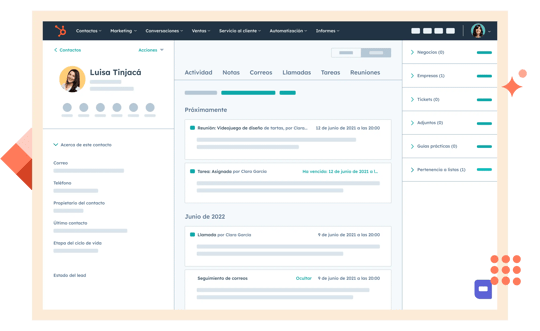
HubSpot’s Marketing Hub has over 143,000 customers globally, combining email marketing, CRM, and lead generation under one platform. Its drag-and-drop email editor simplifies campaign creation, while its automated workflows enable targeted, personalised emails at every stage of the sales funnel.
A B2B enterprise running quarterly product launches can utilise HubSpot to create separate, segmented campaigns for decision-makers and influencers.
Integration with blogs, landing pages, and sales pipelines ensures messages are timely and relevant. HubSpot users in the B2B sector report an average open rate of 20.94% and click-through rate of 7.77%, helping track ROI from email marketing.
Lemlist
Lemlist has become popular for cold email for lead generation, especially among sales teams conducting outbound outreach. With dynamic personalisation—including images and videos—and an integrated email warm-up tool, it helps improve sender reputation and email list for cold outreach.
If a mid-sized software vendor wants to reach procurement heads, Lemlist enables the creation of personalised emails that reference industry pain points and include dynamic images.
According to Lemlist, campaigns have achieved open rates of up to 53% and reply rates of 12% (source), making them effective in breaking through inbox fatigue.
.png)
Sendinblue (Brevo)
Sendinblue, rebranded as Brevo, supports over 500,000 users globally (source). It offers affordable pricing based on the number of emails sent rather than list size, making it a cost-effective option for scaling B2B efforts.
A growing e-commerce platform offering B2B logistics could use Brevo for transactional and promotional messaging. With a 96.2% deliverability rate (source), the tool helps keep messages out of spam folders while supporting automation. Its visual workflow builder and SMS options support multichannel touchpoints that fit into longer B2B sales cycles.
Moosend
Moosend is an emerging player recognised for its simplicity and strong automation capabilities at an affordable price. While smaller in market share, it has earned praise for its intuitive interface and features tailored to lean B2B marketing teams.
Companies looking to launch lead magnets, track user engagement, and build nurture flows without the complexity of larger suites often turn to Moosend. It supports behavioural triggers, custom fields for segmentation, and dynamic personalisation—critical for campaigns targeting specific industries or decision-makers. According to EmailToolTester, Moosend achieves an average deliverability rate of 95.4% (source).

Strategic Use of Tools in B2B Campaigns
A tool alone does not generate leads. Success in email marketing stems from the effective combination of tools with personalised messaging, targeted strategies, and continuous testing. For B2B teams, the process begins with understanding the targeted audience, segmenting by role, company size, industry, or behaviour.
Imagine a manufacturing tech firm launching in a new market. They could use email list segmentation to send different email subject lines and offers to CFOs, CTOs, and operations managers. Cold email for lead generation gets them in the door, but follow-up with personalised emails and gated landing pages reinforces the value proposition.
Automated email sequences can nurture leads through each phase of the funnel. Case studies, special offers, and blog post links reinforce credibility at every step. Monitoring bounce rate, open rate, and unsubscribe rate gives continuous insights into what works. Tracking trends across segments also helps shape future messaging.
For example, if the unsubscribe rate spikes after emails promoting a new service, it may indicate a misalignment in messaging. By adjusting tone or cadence, perhaps switching from hard-sell copy to educational resources, you can regain momentum without damaging your sender’s reputation.
Teams may also use different call-to-actions by segment; one group may be ready for a pricing page, another may need a case study first. Each tool in this guide supports that flexibility. When integrated with your CRM, email becomes a valid driver of sales-qualified leads.
How to Choose Between These Tools
With numerous options available, selecting the ideal email marketing tool for your B2B lead generation objectives can be overwhelming. Each platform has its strengths, and your selection should depend on the size of your business, technical resources, and campaign goals.
If you’re a startup or small business seeking ease of use and a quick setup, Mailchimp or Moosend may be ideal. Their drag-and-drop editors, prebuilt email templates, and flexible pricing allow you to build professional-looking campaigns without needing a technical team.
For businesses focused on cold email for lead generation, Lemlist offers a purpose-built solution that enhances personalisation while managing sender reputation. It is particularly effective for sales teams running outbound campaigns, as it includes cold emailing templates, automated follow-ups, and domain warm-up features.
Larger B2B companies or those with longer sales cycles may benefit from platforms like ActiveCampaign or HubSpot. These tools go beyond email to support full-funnel engagement. Their automation engines, CRM integrations, and behavioural triggers make it easier to segment your email list, personalise messaging, and guide prospects from awareness to conversion.
Sendinblue (formerly Brevo) stands out for companies that want to manage both transactional and promotional emails within a single platform. If your marketing also includes SMS or multichannel communication, it offers a robust set of features at a cost-effective price point.
When evaluating tools, consider factors such as deliverability, bounce rate control, ease of integration, automation depth, and how well each platform aligns with your existing technology stack.
Most importantly, assess how the tool supports your ability to create personalised emails that speak directly to a targeted audience without triggering spam folders.
Choosing the right email platform is not about chasing features. It is about selecting one that enhances your workflow and delivers consistent, measurable ROI.
FAQs: Email Marketing for B2B Lead Generation
What is lead generation email marketing? Lead generation email marketing is a targeted approach to attracting and converting business prospects through email. It involves engaging content, automated email workflows, and personalised messaging.
What are some effective email lead generation techniques? Effective techniques include cold emailing templates, using email list segmentation, embedding case studies, linking to landing pages, and optimising the email subject line. Personalise your email content and follow automation best practices to maximise conversion.
Is cold email still effective for B2B lead generation? Yes. Cold email remains a powerful lead generation tactic, especially when emails are personalised, domain warm-up is used, and sender reputation is managed well. Many tools, like Lemlist and Mailshake, focus entirely on cold outreach due to its continued ROI.
How do you create lead generation email templates? Templates should open with a strong subject line, immediately present value, and include a call-to-action such as booking a call or downloading a resource. Keep it relevant to the recipient’s industry or role.
What email marketing metrics should I track? Key performance indicators include bounce rate, unsubscribe rate, open rate, click-through rate, and conversion rate. These metrics help you fine-tune campaigns and protect sender reputation.
Are there cost-effective tools for email marketing? Yes. Sendinblue (Brevo), Mailchimp, and Lemlist offer affordable pricing and robust feature sets for startups and small businesses. Their automation, reporting, and personalisation tools make them accessible without sacrificing capability.
How does email marketing ROI compare to other channels? According to Litmus, the average return on investment (ROI) for email marketing is $36 for every $1 spent. This surpasses many paid ads or social channels, especially when targeting a B2B audience with longer buying cycles.
What are common mistakes in B2B email campaigns? Sending generic messages without segmentation, overloading emails with CTAs, ignoring bounce rate trends, and failing to test subject lines are common issues that marketers should avoid. These can hurt deliverability and engagement.
What’s a reasonable open rate for B2B email marketing? According to Campaign Monitor, the average open rate for B2B emails is around 15-25%, though this varies by industry and audience quality (source). Personalised emails and clean email lists typically perform better.
Email marketing for B2B lead generation remains a valuable approach, particularly when informed by a thoughtful strategy and backed by the right technology. In 2025, as inboxes become increasingly competitive and decision-makers become more selective, adopting refined email marketing best practices will be more crucial than ever.
Conclusion
To truly stand out, your campaigns must be built around three pillars: relevance, timing, and delivery. That starts with segmenting your email list—not just by company size or job title, but also by behavioural indicators. Tracking which pages they visit, which emails they engage with, and how long they spend viewing specific products or services can dramatically increase your ability to tailor messages that resonate.
Automation remains a cornerstone of modern B2B campaigns. However, automation alone is not enough. It must be layered with personalised messaging that speaks to a recipient’s stage in the sales funnel. For example, a lead who just downloaded a whitepaper might receive a sequence focused on pain points, while someone who viewed your pricing page needs sharper CTAs tied to your unique value proposition.
Another evolving trend in 2025 is intent-based content. Successful email marketers are building campaigns not just around demographics, but around specific actions, like webinar attendance or abandoned cart behaviour in B2B platforms. These signals provide context for your outreach, increasing the likelihood that someone will open your email and take the next step.
Your subject line and preview text matter more than ever. They influence deliverability, open rate, and even unsubscribe behaviour. Test variations regularly. Consider emphasising personalised benefits, urgency, or a quick win that matches your target’s interests. This subtle shift can double your open rate when done right.
Equally important is the quality of your content. Sending a well-timed email is useless if it lacks value. Be concise but informative. Use case studies, special offers, or new data to create relevance. Highlight how your products or services address genuine needs for your target audience. Even in cold emailing, this relevance is what gets responses and meetings.
Do not ignore sender reputation. Maintaining low bounce rates, removing inactive contacts, and encouraging engagement (such as replies, clicks, and downloads) all help protect your domain authority. Use tools that monitor these metrics regularly and adapt your list hygiene accordingly.
Looking beyond just tools, your internal alignment matters. When sales and marketing teams share insights, such as which subject lines are opening your email most often or which CTAs convert better, you build a feedback loop that sharpens future campaigns.
Ultimately, the path to success in B2B email marketing is not about the number of emails you send, but rather how intentional and tailored each message is. By adopting these practices, your team can cut through noise and generate high-quality leads that move efficiently through the funnel.
Share This Post
Recent Posts
What We Offer
Get Your Quote