

15 Effective Strategies for B2B Lead Generation
Building an effective B2B lead generation strategy is essential for driving business growth.
Before discussing strategies, it’s crucial to understand B2B lead generation. Simply put, it involves identifying and attracting potential business clients interested in your products or services. Unlike B2C, B2B marketing targets other businesses, which requires a different approach. This process is more complicated, includes longer sales cycles and several decision-makers, and requires building relationships over time.
Building an effective B2B lead generation strategy is essential for driving business growth. 91% of marketers say lead generation is their most important goal, emphasising how central it is to a company’s marketing efforts (BookYourData, 2024).
However, this area remains challenging, as VIB Tech states that 54% of B2B marketers cite improving lead quality and conversion rates as their biggest hurdle. To overcome such challenges, many businesses are turning to content marketing, with 76% of B2B marketers using it to generate qualified leads.
Furthermore, email marketing continues to be a powerful tool, as personalised campaigns have a 29% higher open rate and a 41% higher click-through rate than generic ones. These insights underline the importance of strategic lead generation in building a consistent and high-converting sales pipeline.
Understanding your target audience is key to successful B2B lead generation. It involves segmenting your market, identifying pain points, and tailoring your message to meet the specific needs of each segment. Doing so positions your business as a solution provider rather than just another vendor. This strategic plan improves lead quality and boosts conversion chances and lasting partnerships.
1. Optimise Your Website for Lead Generation
Your website is often the first point of contact with potential clients. You should optimize it to capture leads effectively. Include clear calls-to-action (CTAS), easy navigation, and contact forms to encourage visitors to take action.
Beyond the website itself, it’s essential to implement lead generation tools that help convert passive visitors into active prospects. Tools like chatbots, pop-up forms, and landing pages tailored to specific campaigns can significantly increase conversion rates. For example, companies that use targeted landing pages see up to a 55% increase in leads.
Moreover, integrating your website with a Customer Relationship Management (CRM) system allows for seamless lead tracking and nurturing, ensuring no opportunities slip through the cracks. By combining user-friendly design with innovative lead capture strategies, your website becomes a powerful engine for B2B lead generation.
Ensuring your website is mobile-responsive is also crucial, as more users access the internet via smartphones and tablets. A seamless user experience across all devices can significantly increase lead conversion rates.
Make Use of Landing Pages
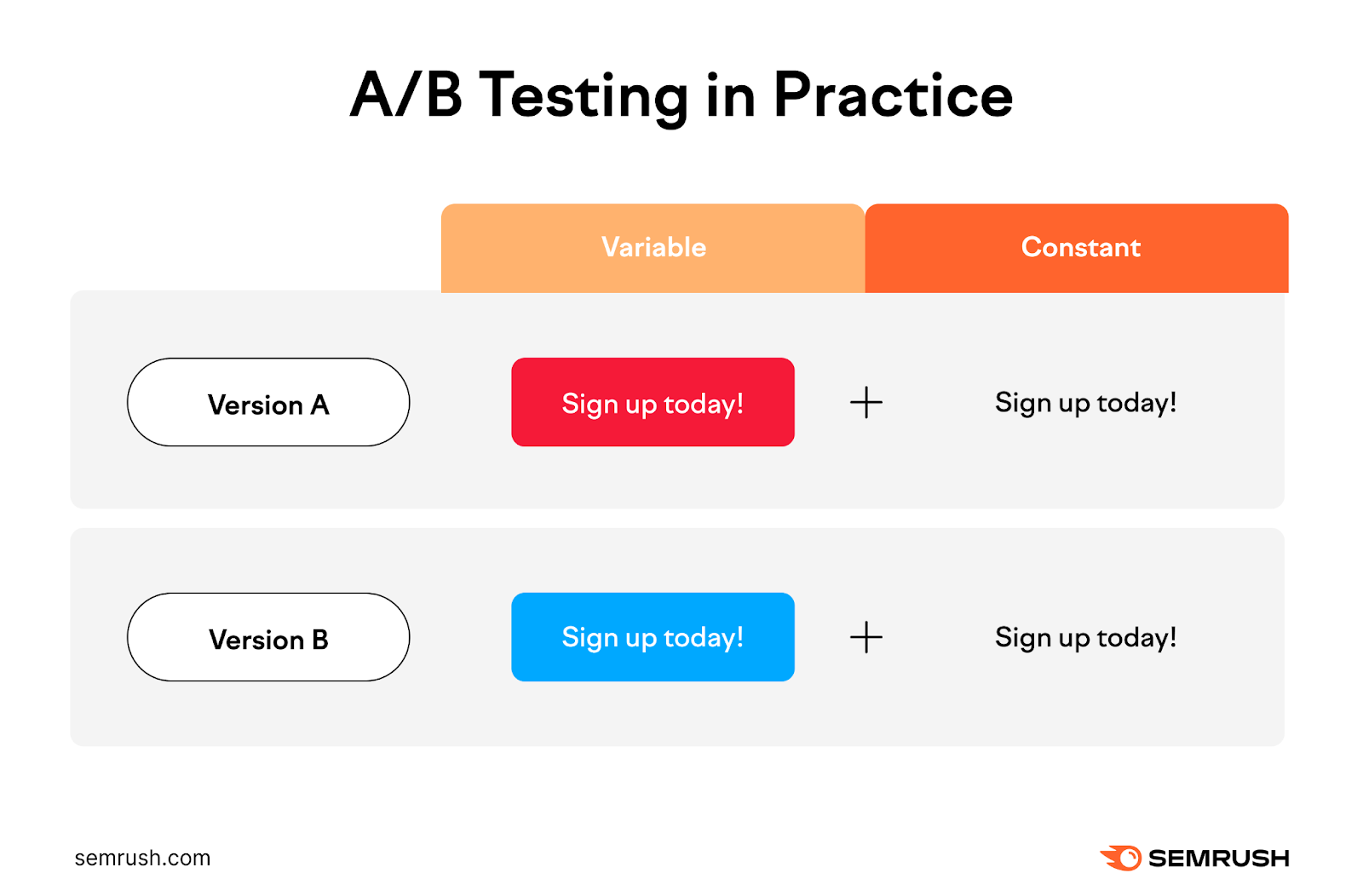
Dedicated landing pages for specific campaigns or services can significantly boost conversions. They should be simple, focused, and designed to guide visitors towards a single CTA. Carrying out A/B testing on different landing page elements, such as headlines, images, and CTAS, can provide insights into the audience’s preferences. Additionally, incorporating testimonials or case studies on these pages can build trust and credibility, nudging visitors closer to conversion.
2. Leverage Content Marketing
Content is king, especially in B2B marketing. By providing valuable content, you can establish your brand as an authority in your industry and attract potential leads. Consider these content formats:
Blogs: Regularly updated blogs can improve your SEO and engage your audience. They provide a platform to address industry challenges, share insights, and offer solutions that resonate with your target audience.
Whitepapers and Ebooks: Offer in-depth insights on industry topics in exchange for contact information. This not only captures leads but positions your brand as a thought leader.
Webinars and Videos: Live or recorded sessions can provide interactive content that appeals to a broader audience. They offer a dynamic way to showcase expertise, demonstrate product value, and engage with potential clients in real-time.
By providing valuable content tailored to your audience’s needs, you can effectively position your brand as an authority in B2B sales, attracting potential leads seeking knowledgeable partners.

3. Utilise Social Media Platforms
Social media isn’t just for B2C companies. Platforms like LinkedIn, Twitter, and even Facebook can be powerful tools for generating B2B leads. Share industry news and company updates, and engage with your audience to build relationships.
B2B companies should build thought leadership and trust through consistent, value-driven content to make the most of these platforms. LinkedIn leads the pack, with 80% of B2B leads from the platform alone.
Regularly posting insightful articles, case studies, and client testimonials helps position your brand as an authority in your industry. In addition, engaging with industry-specific groups and using features like LinkedIn’s InMail or Facebook Lead Ads can create direct pathways to connect with decision-makers. By treating social media as a channel for conversation rather than just promotion, businesses can foster deeper connections and drive more qualified B2B leads into their sales funnel.
Social media lets you listen to your audience, gather feedback, and adapt your strategies accordingly. This two-way communication can foster deeper connections and enhance brand loyalty.
LinkedIn Networking
LinkedIn is especially beneficial for B2B companies. Use it to connect with industry professionals, join relevant groups, and share content to engage with potential leads. Participating in LinkedIn discussions and sharing insights can increase your visibility and establish your brand as a thought leader. Additionally, you can highly target LinkedIn Ads to reach specific demographics and industries, which makes your lead generation efforts more efficient.
4. Implement Email Marketing Campaigns
Email remains one of the most effective channels for B2B lead generation. Build a targeted email list and send personalised content to nurture leads. Automated email sequences can help guide potential clients through the sales funnel. Segmenting your email list based on criteria such as industry, job role, or past interactions can further enhance the relevance of your messages, leading to higher engagement rates.
To maximise results, aligning your email strategy with data-driven insights and personalisation techniques is crucial. According to Campaign Monitor, marketers who use segmented campaigns note a 760% increase in revenue. This underscores the power of sending the right message to the right audience at the right time.
Additionally, automated email workflows such as welcome sequences, lead-nurturing drips, and re-engagement campaigns enable you to maintain consistent contact without overwhelming your team. These workflows save time and improve conversion rates by up to 50% compared to one-off campaigns. With thoughtful segmentation, compelling copy, and ongoing A/B testing, email marketing remains a cornerstone of high-converting B2B lead generation strategies.
Personalisation is Key
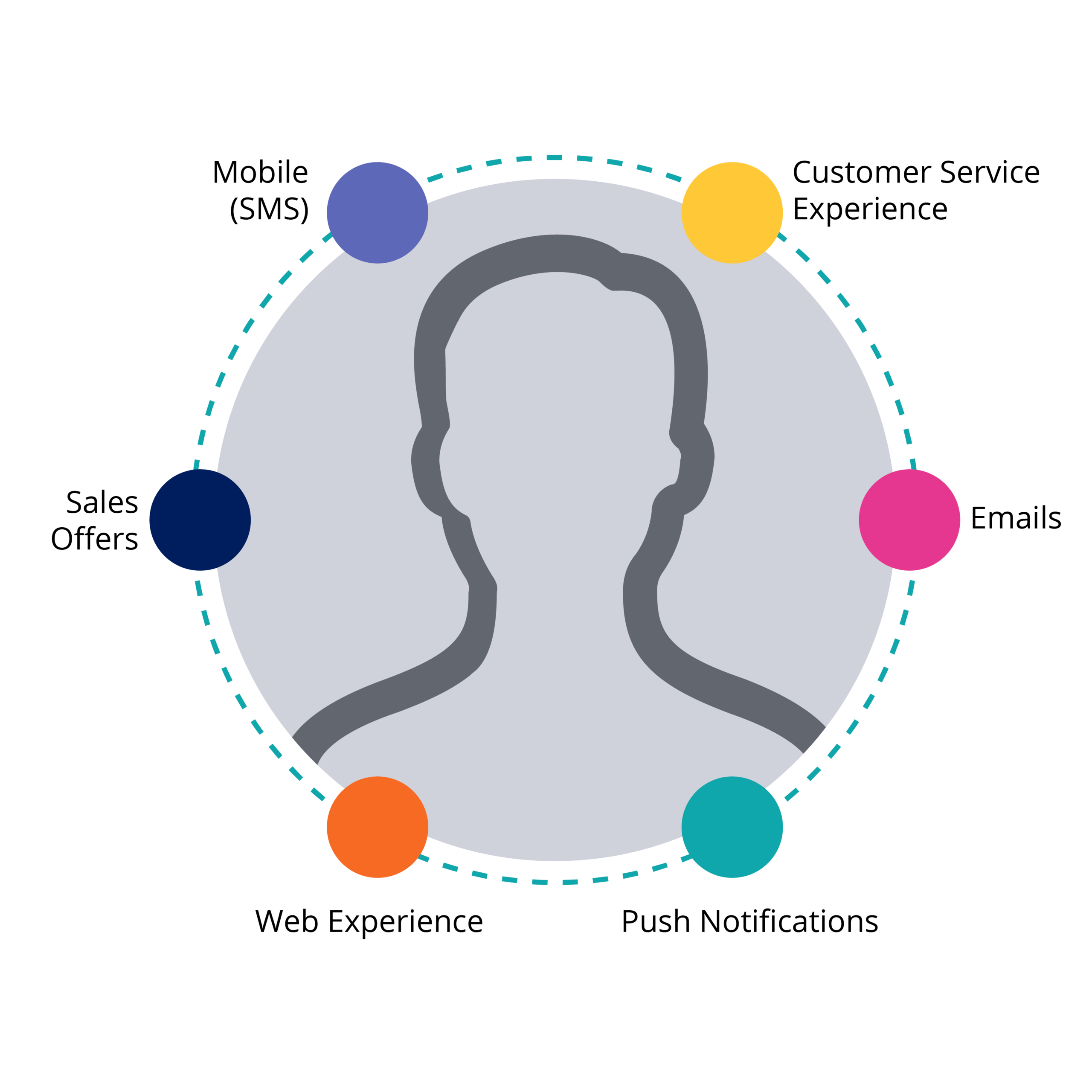
Ensure your emails are personalised and relevant. Use data insights to tailor content to the recipient’s needs and interests, which can significantly improve open and conversion rates. Personalisation goes beyond using the recipient’s name; it involves crafting messages that address their specific challenges and offer tailored solutions. This approach increases engagement, builds trust, and fosters long-term relationships.
5. Invest in Search Engine Optimisation (SEO)
SEO is crucial for ensuring your business is found online. Optimise your website and content for relevant keywords to improve your search engine rankings and attract organic traffic. High-ranking pages draw more visitors and enhance credibility in the eyes of potential clients. Regularly updating content and acquiring quality backlinks are essential to an effective SEO strategy.
In the context of B2B lead generation, SEO isn’t just about visibility; it’s about attracting exemplary visitors. Research by BrightEdge shows that 53% of all website traffic comes from organic search, highlighting the value of appearing prominently in search engine results.
Long-tail keywords tailored to your niche audience can bring in high-intent visitors who are more likely to convert. Additionally, publishing pillar content and linking to related subtopics helps establish topical authority, a factor Google heavily rewards.
Don’t overlook technical SEO either; fast page speed, mobile optimisation, and secure browsing are critical for retaining users and minimising bounce rates. Ultimately, a well-optimised site does more than rank well; it functions as a silent sales rep, working around the clock to drive qualified leads into your pipeline.
Focus on Long-Tail Keywords
While high-volume keywords are competitive, long-tail keywords can attract more qualified leads who are further along in the buying process. These keywords often indicate specific search intent, making creating content that directly addresses the searcher’s needs easier. By targeting these niche phrases, you improve your chances of ranking and attract visitors who are more likely to convert.
6. Harness the Power of Pay-Per-Click (PPC) Advertising
PPC advertising can provide immediate visibility and drive targeted traffic to your site. Platforms like Google Ads and LinkedIn Ads allow you to target specific audiences, making it easier to reach potential leads. You can tailor PPC campaigns to different stages of the buyer’s journey, from awareness to consideration and decision-making, ensuring your message resonates at each stage.
Retargeting Strategies
Retargeting ads can help re-engage visitors who didn’t convert on their first visit. By reminding them of your offerings, you increase the chances of conversion. Retargeting can be particularly effective when combined with personalised messaging and offers, as it capitalises on the visitor’s familiarity and previous engagement with your brand. This approach helps keep your business top of mind, encouraging return visits and eventual conversions.

7. Attend Industry Events and Trade Shows
In-person events offer a unique opportunity to connect with potential leads in person. Attend industry conferences, trade shows, and networking events to build relationships and showcase your expertise. These events offer a platform to demonstrate your products, engage in meaningful conversations, and gain insights into industry trends and challenges.
When executed strategically, in-person events can yield substantial returns on lead generation. According to Bizzabo’s Event Marketing Report, 95% of marketers believe in-person events provide valuable opportunities to form real-life connections, and 68% say they help generate the most qualified leads.
To maximise ROI, businesses should plan pre-event outreach to schedule meetings and follow up promptly with personalised communications after the event. Incorporating interactive elements such as live demos, Q&A sessions, and branded giveaways attracts attention and fosters engagement and memorability. You significantly enhance your brand trust and lead conversion potential by positioning your team as approachable experts and showing up where your audience gathers.
Virtual Events
With the rise of digital platforms, virtual events have also become popular. Hosting or participating in webinars and online conferences can widen your reach without geographical limitations. Virtual events offer a cost-effective way to engage with a global audience, providing opportunities to present your solutions to a broader market and generate leads from diverse regions.
8. Build Partnerships and Alliances
Forming strategic partnerships with other businesses can open new doors for lead generation. Look for companies that complement your services and explore ways to collaborate on marketing efforts. Joint ventures, co-hosted webinars, and cross-promotions can expand your reach and introduce your brand to new audiences, leveraging the trust and credibility of your partners.
Strategic alliances are not just about shared marketing—they’re about mutual growth through trust-based networks. Studies show that 84% of B2B decision-makers start the buying process with a referral, underscoring the influence of trusted connections.
By aligning with complementary businesses, you can access pre-qualified audiences that are more likely to convert due to the credibility lent by the partner’s endorsement. Whether co-developing lead magnets, hosting joint events, or engaging in affiliate marketing, these collaborations often generate higher-quality leads at a lower acquisition cost than cold outreach. When thoughtfully managed, strategic partnerships serve as a robust and scalable channel for B2B lead generation.
Virtual events offer a cost-effective way to engage with a global audience, providing opportunities to present your solutions to a broader market and generate leads from diverse regions.

9. Utilise Referral Programs
Offering incentives to existing clients can encourage them to refer new businesses. A well-structured referral program can turn satisfied customers into brand advocates.
These programs can significantly enhance your lead generation efforts by tapping into the networks of your current clients, who can provide authentic recommendations and endorsements of your products or services.
10. Analyse and Improve Your Lead Generation Efforts
Review your lead generation strategies regularly to determine what’s working and what’s not. Use analytics tools to track conversions and adjust your tactics accordingly.
Ongoing optimisation is critical to maintaining a competitive edge in B2B lead generation. Analytics tools like Google Analytics, HubSpot, or Salesforce provide deep insights into user behaviour, conversion paths, and campaign performance. By tracking metrics such as conversion rates, cost per lead (CPL), and lead quality scores, you can make informed decisions on where to invest your time and resources.
According to a Forbes report, companies that adopt data-driven marketing are six times more likely to be profitable year-over-year than companies that don’t. Regularly A/B testing your landing pages, email subject lines, and CTAS can uncover minor tweaks that yield significant improvements. Ultimately, data isn’t just about performance measurement; it’s a blueprint for more innovative, effective lead generation strategies.
Monitoring metrics such as conversion rates, lead quality, and customer acquisition costs can provide valuable insights into the effectiveness of your campaigns and guide future improvements.
A/B Testing
Experiment with different approaches by conducting A/B tests. This can help you determine the most effective ways to capture and nurture leads.
Testing elements like subject lines, CTAS, and landing page designs allows you to fine-tune your strategies and optimise for higher engagement and conversion rates.
11. Utilise Marketing Automation Tools
Implementing marketing automation tools can significantly enhance your lead generation efforts. These platforms enable you to streamline workflows, nurture leads with personalised communications, and track interactions over time.
By analysing data from these interactions, you can optimise your campaigns based on the behaviour and interests of potential clients, ensuring that you provide relevant content at the right moment, ultimately increasing conversion rates.
12. Create Case Studies
Developing detailed case studies can showcase your success in solving clients’ specific challenges. A compelling case study includes the client’s problem, your solution, and the measurable results achieved. Sharing these narratives builds trust and positions your brand as an expert.
Well-crafted case studies act as powerful proof points in the decision-making process. 73% of B2B buyers use case studies when researching purchases, according to Demand Gen Report’s 2024 Content Preferences Survey. By clearly articulating the challenge, your tailored solution, and the quantifiable impact, such as increased ROI, time saved, or revenue growth, you help prospects envision similar success for their businesses.
Embedding testimonials, visuals, and short video summaries can make these stories more engaging and shareable. Distributing case studies via your website, email campaigns, and social media strengthens your credibility and lead-nurturing efforts, confidently guiding potential clients down the sales funnel.
Potential leads are likelier to engage with a business that has demonstrated proven results, making case studies a vital tool for lead generation.
13. Conduct Market Research
Conducting market research regularly helps you stay informed about changing industry trends and customer preferences. By understanding your target audience’s evolving needs, you can tailor your lead generation strategies to address their specific challenges and interests.
Utilising surveys, focus groups, and industry reports can provide valuable insights that will inform your overall strategy and optimise your approach for better lead generation outcomes.

14. Free Trials or Demos
Offering free trials or product demonstrations is an effective way to entice potential leads. This approach lets prospects experience your product or service firsthand, showcasing its value and effectiveness.
Free trials and product demos are among the most persuasive tools in the B2B lead generation arsenal. They not only lower the barrier to entry but also help build confidence in your solution’s capabilities. According to a report, 66% of B2B buyers prefer self-service options, such as free trials or interactive demos, before engaging with sales.
To maximise effectiveness, your trial or demo should be frictionless to activate, guided with onboarding support, and tailored to the user’s industry or use case. Follow-up communication, especially personalised outreach, can help answer questions, highlight underutilised features, and accelerate the conversion journey. By offering real-time value and hands-on experience, you generate leads and significantly improve conversion quality and speed.
Free trials lower the barriers to entry for potential clients, enabling them to see how your solution addresses their needs without financial commitment. This strategy can lead to higher conversion rates as leads move closer to making a purchasing decision.
15. Develop a Lead Magnet
Creating a lead magnet can significantly boost your lead generation efforts. A lead magnet is an incentive offered to potential leads in exchange for their contact information, such as free templates, eBooks, or exclusive insights.
By providing high-value resources tailored to your target audience, you can attract more visitors to your site, grow your email list, and nurture these leads over time with relevant content and offers that resonate with their needs.
FAQ
- What is B2B lead generation?
B2B lead generation involves identifying and attracting potential business clients who may be interested in your products or services. Due to longer sales cycles and multiple decision-makers, it requires a tailored approach compared to B2C marketing.
- Why is website optimisation crucial for lead generation?
Your website serves as a potential client’s first point of contact. Optimising it with clear calls to action, easy navigation, and mobile responsiveness can significantly enhance lead conversion rates.
- How can content marketing help in B2B lead generation?
Content marketing establishes your brand as an authority in your industry. Formats like blogs, whitepapers, webinars, and videos provide valuable information, attract potential leads, and enhance your SEO.
- Which social media platforms are effective for B2B lead generation?
Platforms like LinkedIn and Twitter are particularly effective for B2B businesses. They allow you to connect with industry professionals, share relevant content, and engage with your audience to build relationships.
- What role does email marketing play in lead generation?
Email marketing allows you to build a targeted list and send personalised content that nurtures leads through the sales funnel, improving engagement and conversion rates.
- How can SEO impact B2B lead generation?
SEO is essential for improving your search engine rankings, attracting organic traffic, and enhancing credibility. Regular updates and quality backlinks can further strengthen your online presence.
- What is PPC advertising, and how can it benefit B2B lead generation?
PPC advertising provides immediate visibility and targets specific audiences. Platforms like Google Ads allow you to tailor campaigns for different stages of the buyer’s journey, effectively reaching potential leads.
- What are some advantages of attending industry events for lead generation?
In-person events offer opportunities to connect face-to-face with potential leads, demonstrate your products, and engage in meaningful discussions. Virtual events can also expand your reach globally.
- How do referral programs enhance lead generation?
Referral programs incentivise existing clients to recommend your services to others, turning satisfied customers into brand advocates and tapping into their networks for authentic endorsements.
- How can businesses track and improve their lead generation strategies?
Regular analysis of lead generation efforts using analytics tools can help businesses identify effective strategies. A/B testing different elements can optimise campaigns for better engagement and conversion rates.
Conclusion
B2B lead generation requires a multi-faceted approach. By implementing these strategies, you can attract and convert potential leads into loyal customers. Remember, it’s about building relationships and providing value, so always focus on the client’s needs and how your business can meet them. The journey from lead to customer is about closing a sale and nurturing a partnership that yields mutual benefits.
Include these techniques in your marketing strategy to boost your B2B lead generation results significantly. Stay consistent, analyse your results, and always be ready to adapt to changing market dynamics. Your next big client could be just a strategy away. By continuously refining your approach and staying attuned to industry trends, you position your business for sustainable growth and long-term success in the competitive B2B landscape.
Share This Post
Recent Posts
What We Offer
Get Your Quote