

Sales outsourcing is a powerful way for companies to expand into new markets while controlling costs. Many businesses, particularly those targeting APAC, turn to outsourced sales teams to accelerate growth.
However, outsourcing is not a quick fix. A common mistake is assuming that hiring an external sales team allows for a hands-off approach with instant results. This passive mindset often leads to wasted resources, misaligned strategies, and disappointing outcomes.
Successful sales outsourcing requires an active partnership. Companies that work closely with their outsourcing providers—setting clear expectations, maintaining consistent communication, and leveraging local market expertise—achieve the best results. With its skilled workforce, strong digital infrastructure, and regional connectivity, Singapore is a strategic hub for optimising outsourced sales operations.
To maximise the benefits of outsourcing, businesses must be deliberate in their approach—from choosing the right partner to continuously refining their sales processes. Below, we outline the key strategies for making sales outsourcing work effectively and delivering measurable, sustainable growth.
1. Define Clear Sales Objectives
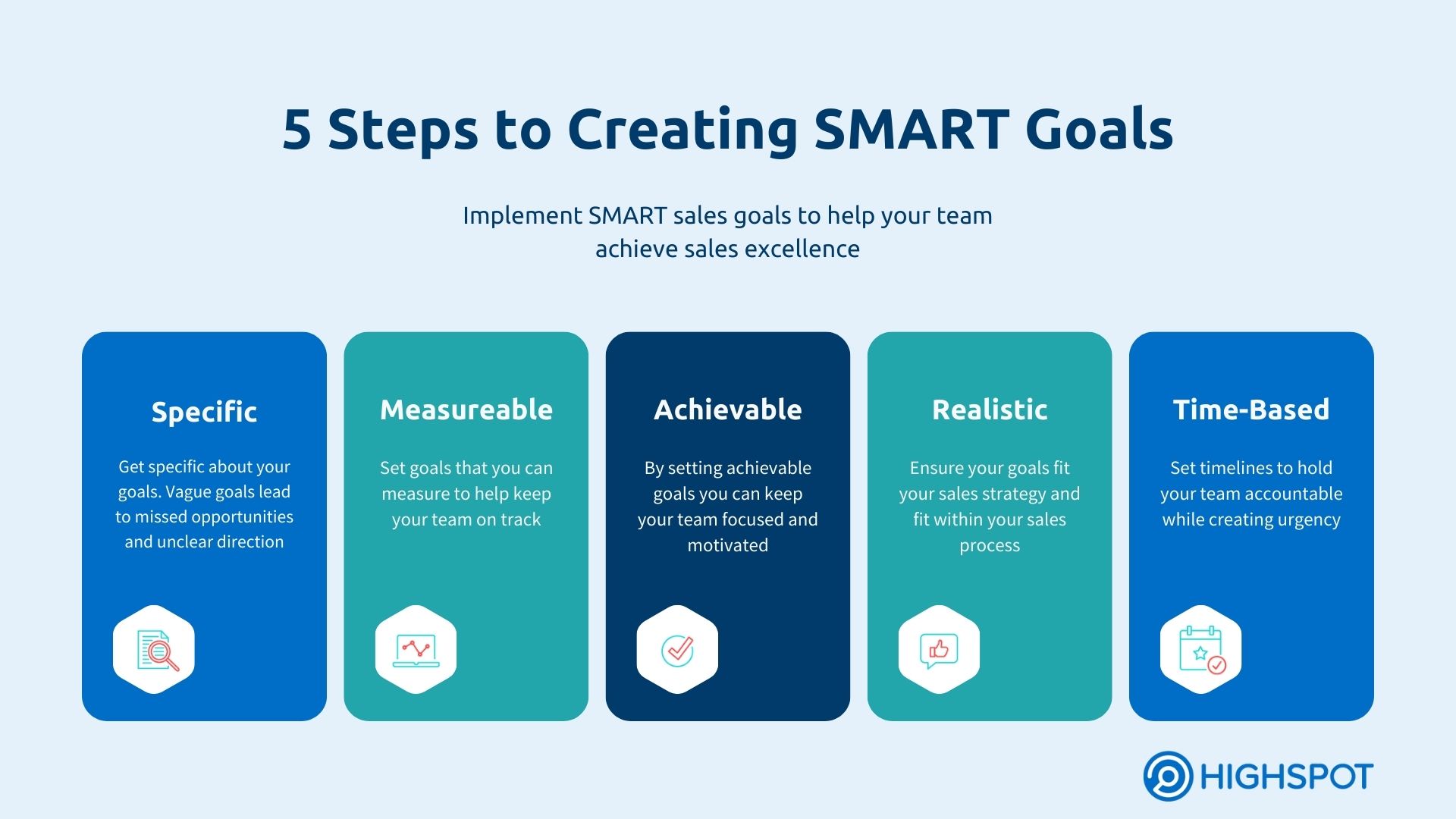
Outsourced sales teams struggle to align their efforts with your business needs without well-defined sales goals. Establishing precise, measurable objectives ensures your team knows exactly what they are working toward.
Consider these specific targets:
- Increase B2B sales by 20% in the next quarter.
- Secure at least 10 qualified meetings per month.
- Reduce customer acquisition costs by 15% over six months.
Clearly defined KPIs allow for better tracking, accountability, and more efficient resource allocation. When businesses set measurable sales goals, they create a structured approach that helps teams align their efforts effectively. Well-established KPIs enable organisations to monitor progress, identify bottlenecks, and make data-driven adjustments to their sales strategies.
Establishing clear sales goals and regularly assessing performance are pivotal strategies for enhancing outsourcing success and boosting sales productivity. For instance, combining benchmarking with goal setting can significantly improve company sales performance. Additionally, understanding key determinants of salesperson performance—such as role perceptions, skill levels, and motivation—is crucial. Implementing well-defined Key Performance Indicators (KPIs) enables organisations to monitor progress effectively, fostering accountability and a results-driven culture that supports sustained growth.
Link: https://www.highspot.com/wp-content/uploads/2022/02/SMART-goals.jpg
2. Choose the Right Sales Outsourcing Partner
Not all outsourcing providers offer the same level of expertise. The right partner should align with your company’s industry, target market, and sales objectives. When evaluating potential providers, consider these key factors:
- Industry Experience: Does the provider have a track record in your sector?
- Sales Strategy: Do they focus on lead generation, full-cycle sales, or both?
- Technology Use: Do they leverage CRM tools, automation, and AI-driven analytics?
- Scalability: Can they adjust quickly based on your business needs?
- Proven Results: Do they have case studies or testimonials that demonstrate success?
Choosing the right partner ensures your outsourced sales efforts remain efficient, data-driven, and results-oriented. The ideal outsourcing partner should align with your business goals and deeply understand your industry, market dynamics, and customer behavior.
A data-driven partner will utilise advanced analytics, CRM tools, and AI-powered sales automation to track performance, optimise lead generation, and improve conversion rates. According to McKinsey, businesses that leverage data-driven sales approaches can achieve a 2-5% increase in sales and a 10-15% reduction in sales costs.

Link: https://asana.com/resources/data-driven-decision-making
3. Stay Actively Involved
One of businesses’ most significant mistakes is adopting a “set it and forget it” approach. Successful outsourcing requires active participation. To maximise performance, companies should:
- Conduct weekly check-ins to assess progress and address challenges.
- Provide continuous training to ensure brand messaging stays consistent.
- Foster a collaborative relationship rather than treating the outsourcing team as an external vendor.
DeckLinks highlights that working closely with outsourced sales teams and aligning goals with them leads to better performance. Organisations get the best results by treating these teams as strategic partners rather than just external vendors.
4. Align Compensation with Performance
Motivated sales teams deliver better outcomes. When outsourcing sales, aligning incentives with performance ensures sales reps are driven to generate high-quality leads rather than merely increasing call volume.
Consider structuring compensation with:
- Performance-Based Incentives: Bonuses tied to revenue milestones.
- Commission Structures: Payments based on closed deals.
- Non-Monetary Rewards: Recognition programs and career development opportunities.
This approach keeps the outsourced team accountable and focused on driving results. Establishing a structured performance review process, including regular feedback sessions and performance tracking, helps maintain motivation and alignment with business objectives.
Additionally, businesses that invest in ongoing professional development and training for outsourced teams see higher engagement and improved results. A study by Gallup found that companies with highly engaged teams experience 21% greater profitability and 17% higher productivity (Gallup).
By fostering a results-driven culture and providing clear performance incentives, organisations can ensure their outsourced sales team remains proactive, goal-oriented, and committed to delivering measurable success.
5. Leverage Sales Technology for Better Efficiency
Modern sales outsourcing firms utilise advanced technology to enhance efficiency and drive results. Companies integrating AI-driven sales tools and automation into their sales processes experience 30-40% faster lead conversion rates.
Essential tools include:
- CRM Software: Platforms like Salesforce or HubSpot track interactions and performance.
- AI-Driven Analytics: Predictive analytics help identify the most promising leads.
- Automated Lead Nurturing: Ensures consistent engagement with prospects.
Leveraging technology, businesses can streamline sales and improve pipeline efficiency. Digital tools such as AI-driven analytics, automation software, and predictive lead scoring enable sales teams to focus on high-potential prospects, reducing time wasted on unqualified leads.

Companies that integrate automation into their sales outreach experience up to a 14.5% increase in sales productivity and a 12% reduction in marketing overhead. These efficiencies contribute to improved revenue generation, allowing businesses to scale operations effectively without significantly increasing costs.
6. Implement a Multi-Touch Sales Approach
Single-channel outreach is no longer effective. A multi-touch sales approach increases engagement and conversion rates by reaching prospects through multiple platforms.
Best practices include:
- Email Sequences: Personalized outreach with follow-ups.
- Cold Calling: Direct engagement with decision-makers.
- Social Selling: Building relationships via LinkedIn and other platforms.
- Webinars & Events: Establishing thought leadership and trust.
Studies show that successful sales engagements require an average of 8 touchpoints. A multi-touch approach ensures prospects stay engaged throughout the sales cycle by creating multiple opportunities for interaction and relationship-building.
This strategy allows businesses to stay top-of-mind for potential customers while gradually building trust and addressing objections. Research indicates that 80% of sales require five or more follow-ups after the initial contact. Additionally, engaging prospects through multiple touchpoints is essential, as converting a lead into a paying customer often takes 7 to 13 interactions. These findings underscore the importance of persistent and varied engagement strategies in sales.
Using a blend of personalised emails, LinkedIn engagement, direct calls, and webinars enhances the effectiveness of outreach efforts, ultimately leading to better conversion rates and stronger long-term relationships with clients.
7. Monitor and Analyze Performance Metrics
Tracking sales performance is essential to measure the success of outsourcing efforts. Regularly reviewing key metrics helps businesses identify areas for improvement and optimise their strategy.
Key performance indicators (KPIs) to track:
- Conversion Rate: Percentage of leads that become customers.
- Lead Response Time: Speed at which prospects are contacted.
- Sales Cycle Length: Time required to close deals.
- Customer Acquisition Cost (CAC): Cost per new customer.
- Return on Investment (ROI): Overall profitability of outsourcing.
Companies that continuously monitor and adjust their sales strategies often experience enhanced revenue growth. Regular evaluation enables businesses to identify gaps, optimise sales processes, and refine outreach strategies based on real-time data. For instance, organisations with a standard sales process experience 18% more revenue growth than those without one. Leveraging a data-driven approach ensures companies maximise their outsourcing investments while consistently improving performance
8. Maintain Brand Consistency
One risk of outsourcing sales is inconsistent brand messaging. If outsourced teams do not fully understand your brand voice, prospects may receive mixed messages, leading to lost trust.
To ensure alignment:
- Provide comprehensive onboarding on brand values and positioning.
- Develop standardised sales scripts and messaging guidelines.
- Schedule regular training to keep teams up to date.
Maintaining consistency, companies build stronger relationships with prospects, reinforce trust, and enhance brand credibility. When sales teams, whether in-house or outsourced, consistently deliver messaging that aligns with the brand’s values, prospects develop a sense of familiarity and confidence in the company.
According to a study by Lucidpress, businesses that maintain brand consistency see a 33% increase in revenue compared to those that do not. This consistency strengthens customer relationships and helps differentiate a company from competitors in a crowded marketplace.

Link: https://contenthub-static.grammarly.com/blog/wp-content/uploads/2021/08/Brand_Consistency.png
9. Use Outsourcing to Expand into Singapore’s Growing Market
Singapore is a prime location for businesses looking to outsource sales due to its pro-business environment, strong digital infrastructure, and access to Southeast Asian markets. Companies that leverage outsourced sales teams with regional expertise can expand their market reach quickly and efficiently.
Key advantages of outsourcing in Singapore:
- Faster Market Entry: Local knowledge accelerates penetration.
- Reduced Operational Costs: Avoids the expense of setting up an in-house team.
- Access to Regional Networks: Leveraging existing industry connections.
Leveraging Singapore as a regional hub enables businesses to streamline entry into other Southeast Asian markets, including Indonesia, Malaysia, and Vietnam. Singapore’s strategic location, robust infrastructure, and business-friendly environment make it an attractive base for regional operations. Recent initiatives, such as the Johor-Singapore Special Economic Zone (JSSEZ), further enhance economic integration and attract global investment, solidifying Singapore’s role in regional expansion strategies.
A report by the Economic Development Board of Singapore highlights that businesses expanding through Singapore experience up to 30% lower operational costs compared to setting up in multiple individual markets. These factors make Singapore ideal for companies seeking sustainable, scalable, cost-effective sales outsourcing solutions.

10. Address Common Challenges in Sales Outsourcing
While outsourcing sales provides significant benefits, businesses must proactively address common challenges such as:
- Misalignment with Business Goals: Regular strategic check-ins help ensure alignment.
- Poor Lead Quality: Focus on quality over quantity when defining success metrics.
- Lack of Control: Maintain real-time visibility into outsourced team performance.
- Security Concerns: Ensure data protection policies are in place.
By anticipating these challenges, businesses can mitigate risks and maximise outsourcing success.
Conclusion
Sales outsourcing in Singapore offers immense potential for businesses looking to scale efficiently and enter new markets. By defining clear objectives, selecting the right partner, staying actively involved, leveraging sales technology, and monitoring performance, companies can achieve higher revenue, more substantial lead generation, and better ROI.
Are you ready to scale your sales operations effectively? Contact Konsyg’s sales outsourcing experts today to explore how a tailored outsourcing strategy in Singapore can accelerate your business success.
Share This Post
Recent Posts
What We Offer
Get Your Quote